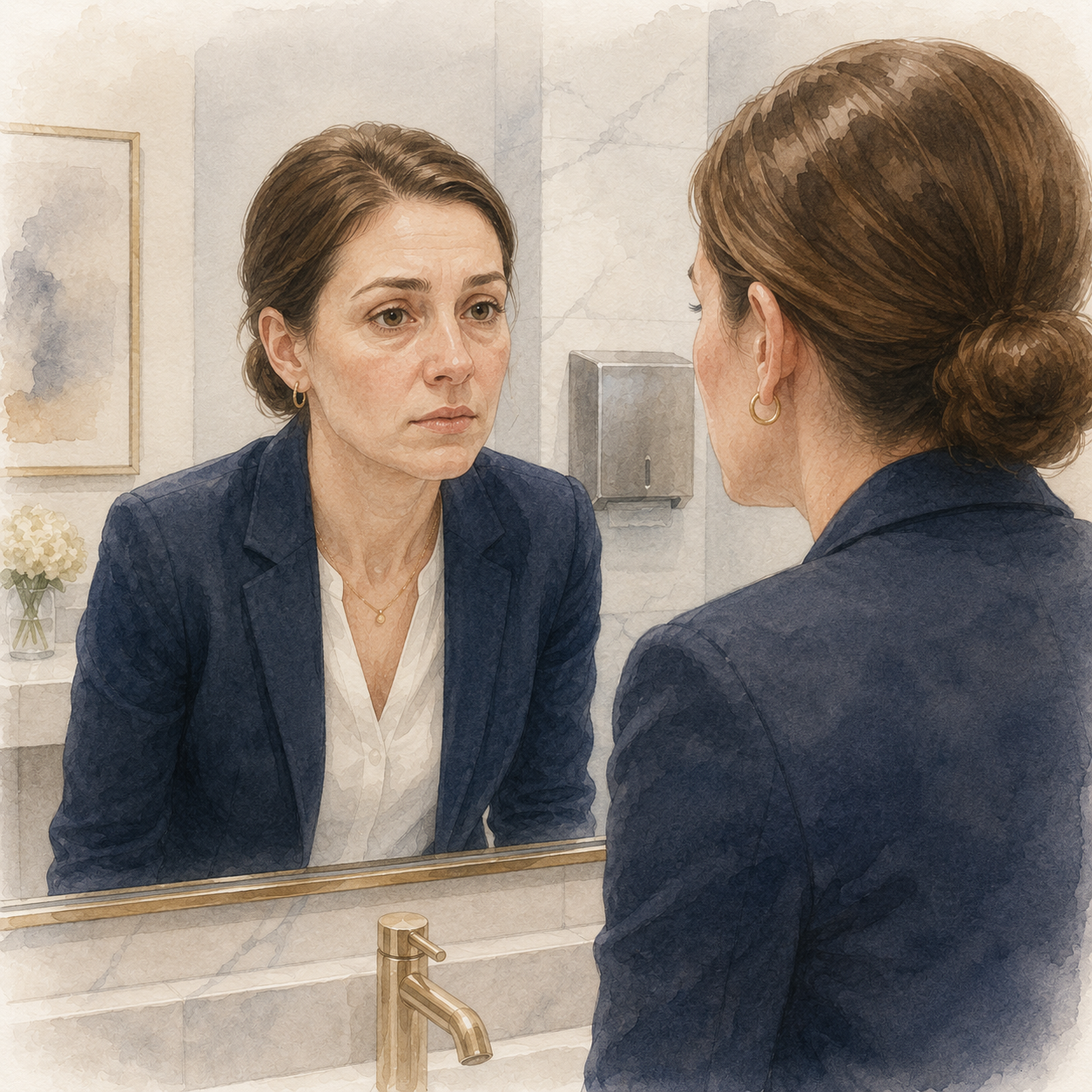
Few comments are more frustrating than being told you look tired when you feel perfectly fine.
Many of us have experienced it. We have slept well, we're not unwell, and we feel reasonably energetic, yet somebody asks whether we've had a late night or whether we're feeling okay.
The reason this happens is that our brains are very good at recognising certain facial features that we associate with fatigue. These features genuinely do occur when we are exhausted, but many of them also develop gradually as part of the ageing process.
As a result, some people can look tired even when they are not.
The good news is that understanding these changes helps us understand what we are actually seeing in the mirror.
What causes dark circles?

Dark circles are one of the most common reasons people feel they look tired.
When we are genuinely exhausted, the skin under the eyes can appear darker because of changes in blood flow and fluid distribution. Since the skin in this area is already very thin, even subtle changes become noticeable.
With ageing, a different process occurs. The skin beneath the eyes becomes thinner and more transparent. At the same time, some of the fat and supporting structures beneath the skin gradually diminish. This allows underlying blood vessels, muscles and shadows to become more visible.
The result is a darker appearance that can persist regardless of how much sleep we get.
What causes eye bags?
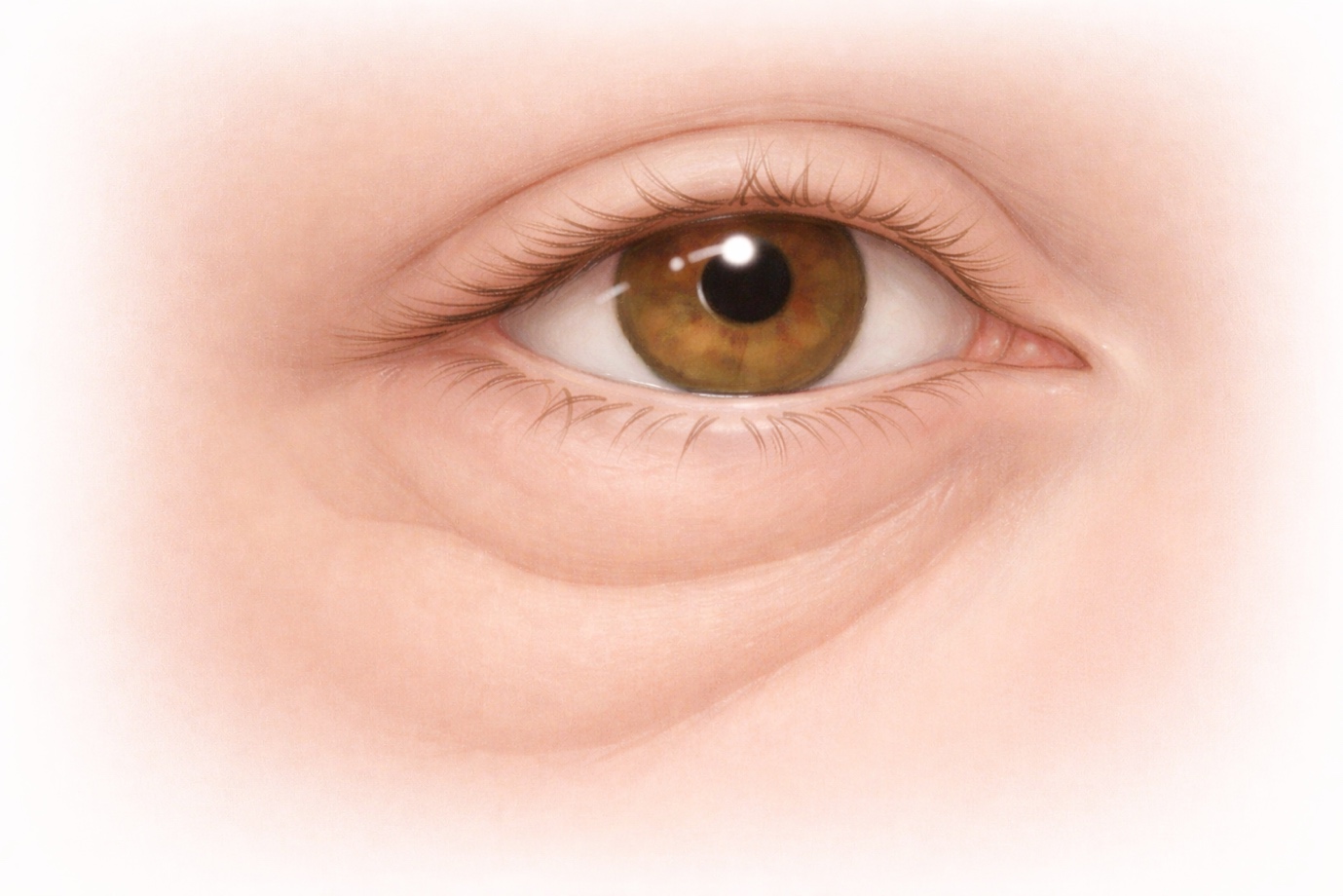
Many people assume eye bags are caused by a lack of sleep.
Tiredness can certainly cause them. Fluid tends to collect around the eyes, particularly after poor sleep, making the lower eyelids appear puffy.
Ageing can also cause them. Age-related eye bags are usually caused by structural changes beneath the skin.
The eyeball sits within a cushion of fat inside the eye socket. In youth, this fat is held firmly in position by a curtain of thicker tissue. Over time, these supporting tissues weaken and stretch. The fat of the eye socket can then bulge forward, creating the familiar appearance of eye bags.
Unlike the puffiness caused by a poor night's sleep, these changes do not disappear after a good rest.
_________________________
Eye bags that concern doctors
Most eye bags are simply a normal consequence of ageing. However, not every swollen lower eyelid is caused by ageing, and doctors need to consider other possibilities.
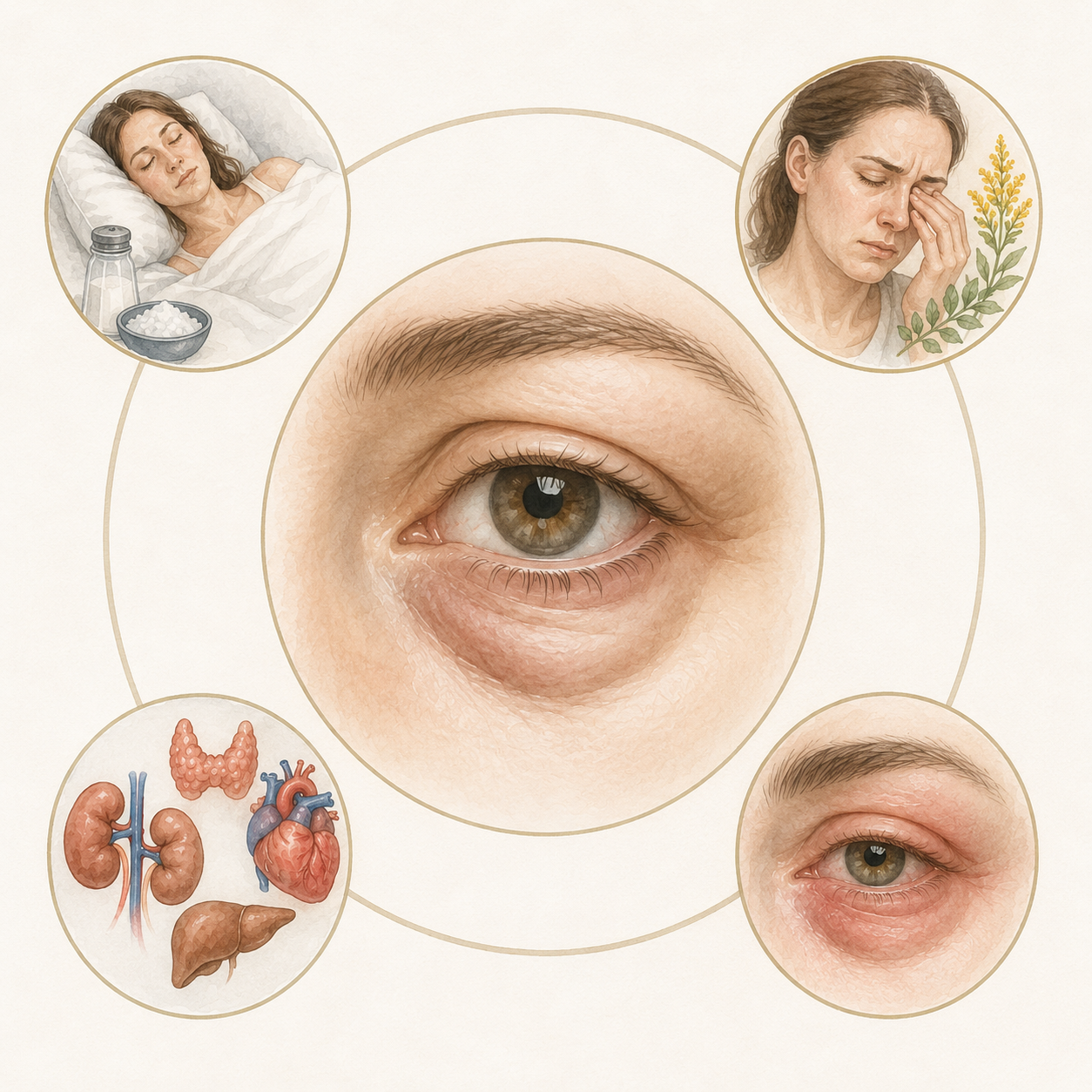
Fluid retention is one example. Some medical conditions lead to an overload of fluid in the body and leaking of fluid from blood vessels into tissues. Medical problems involving the kidneys, thyroid gland, heart or liver may do this.
The tissues around the eyes are particularly affected because under the skin the network of tissue is quite loose and acts like a sponge to soak up fluid. People with these problems notice that their eye bags are worse first thing in the morning. This is because fluid accumulates around the eyes while we are lying down. A salty meal the night before can make this more obvious. After a period of being upright, the eye bags may improve a little.
Allergies are another common cause. Hay fever, eczema and allergic reactions can cause inflammation and swelling around the eyes. Frequent rubbing of itchy eyes may make the problem worse.
Infections around the eyelids can also cause swelling, redness and discomfort. Unlike age-related eye bags, these changes are usually associated with pain, tenderness or warmth.They almost always only affect one side, not both.
For these reasons, doctors don't automatically assume that puffiness around the eyes is simply a cosmetic issue. The past medical history, medications, timing of puffiness, associated symptoms, and of course physical examination, often provide clues as to whether the cause is normal ageing or something that deserves further medical attention.
_________________________
What causes sunken eyes?
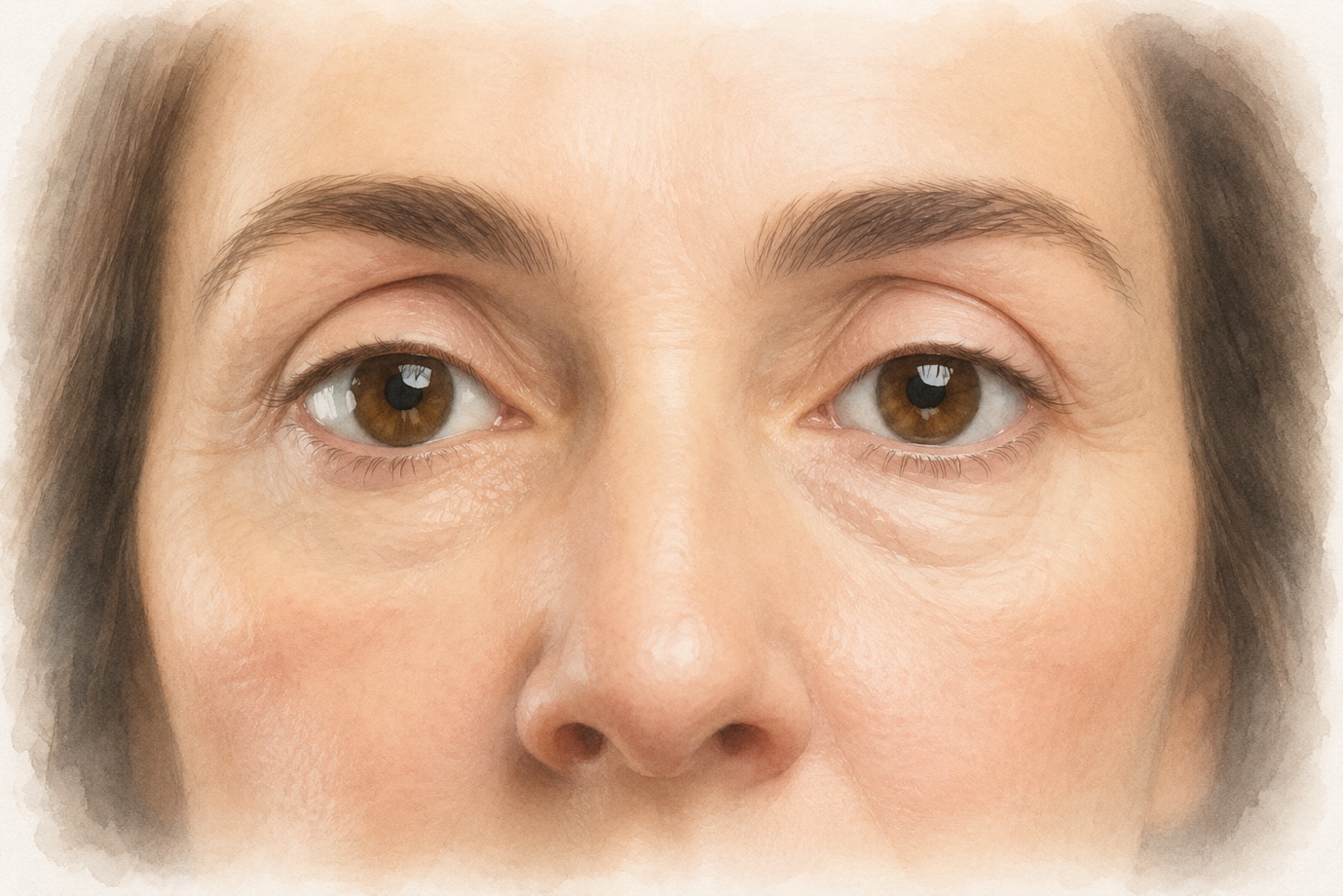
Some people have puffy eyes, others notice the opposite problem. Rather than appearing puffy, the eyes begin to look hollow or sunken.
This occurs because the tissues surrounding the eye gradually lose volume. Fat around the eye socket becomes smaller, while the bones of the eye socket slowly remodel and cause enlarged eye sockets. These changes are subtle and occur over decades.
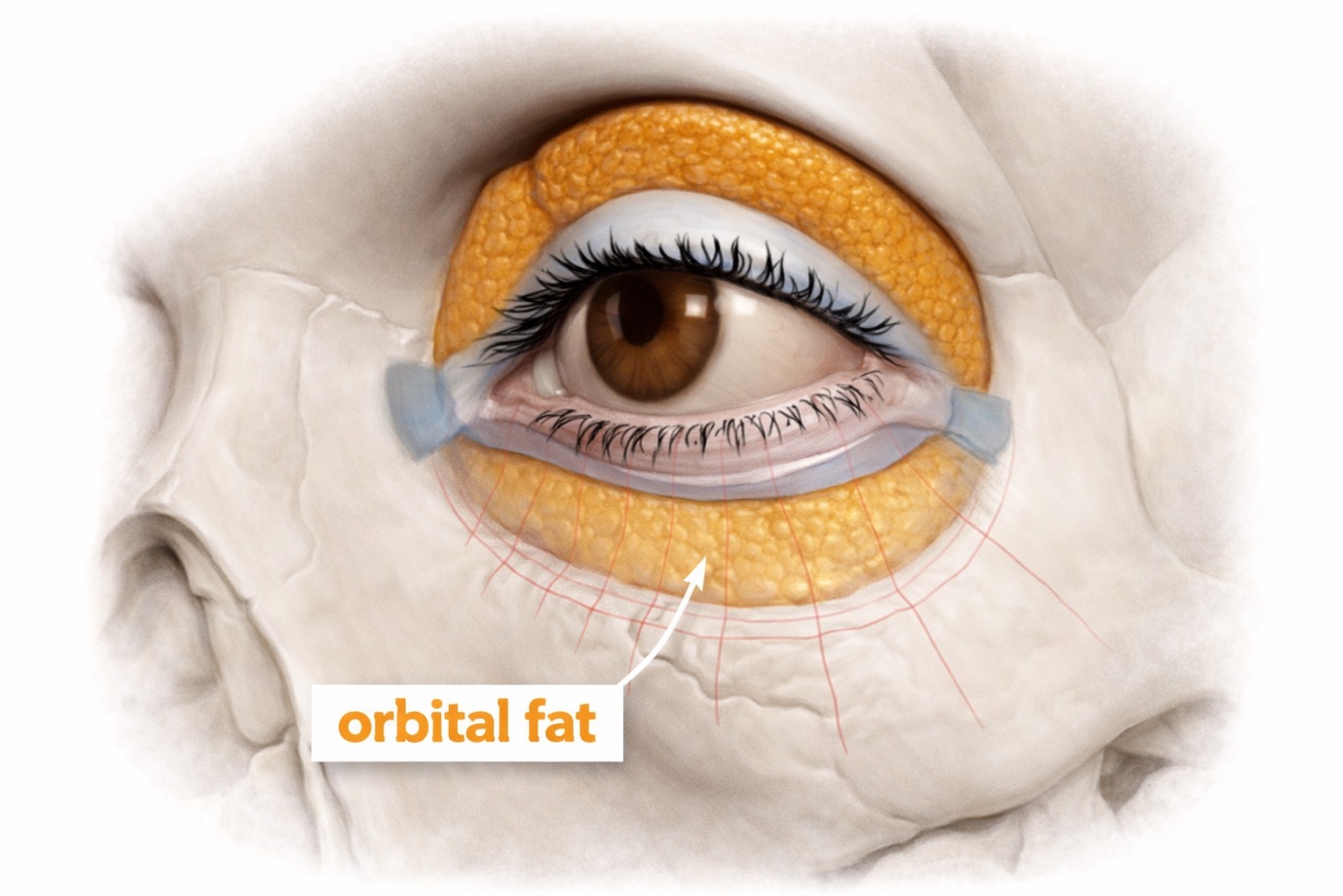
The result is a hollowed appearance, particularly towards the inner part of the eye socket near the nose.
These hollows create shadows that our brains often interpret as tiredness.
What causes saggy eyelids?
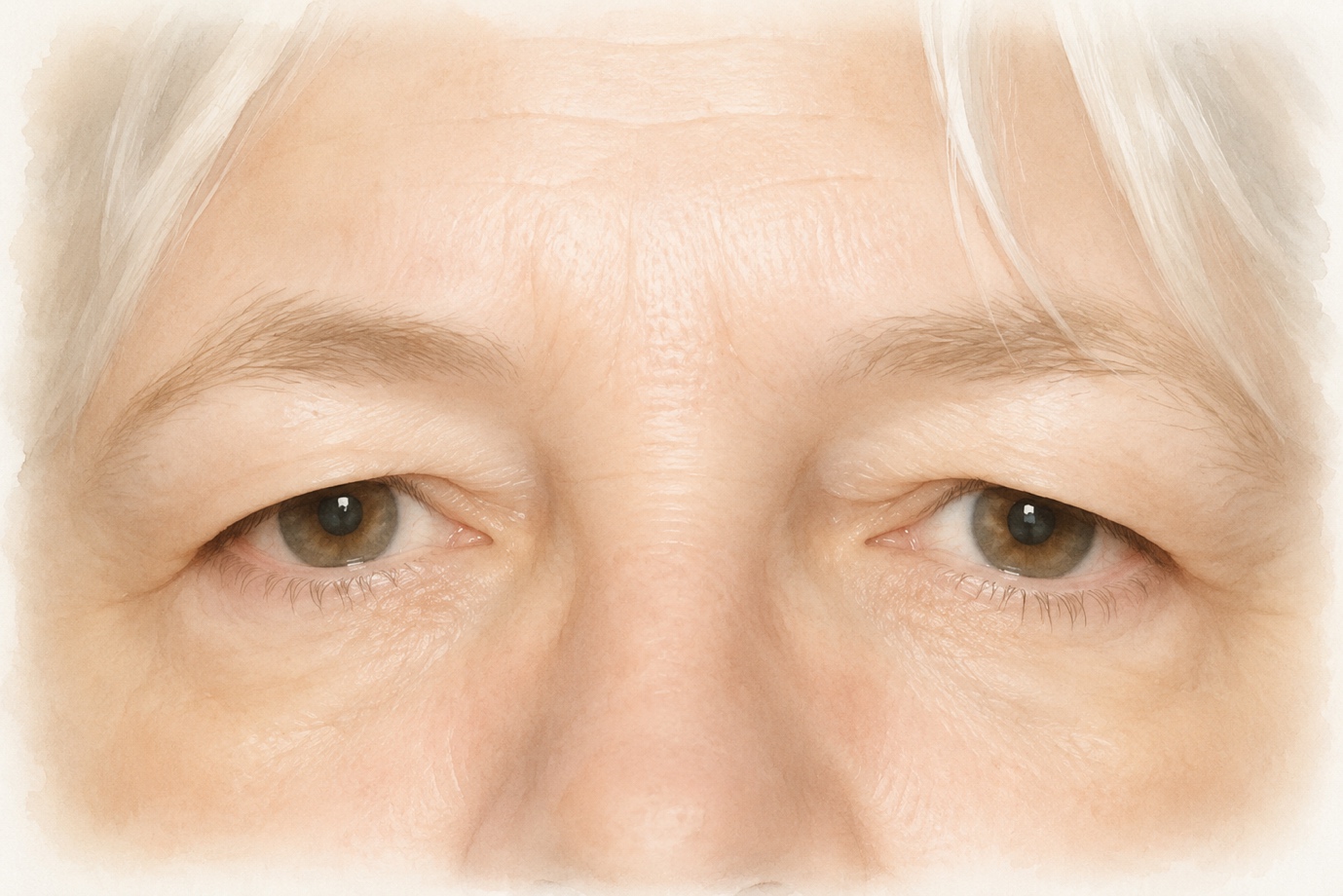
A heavy upper eyelid is another feature commonly associated with fatigue.
When we are exhausted, the muscles that hold the eyelids open may not work as efficiently, causing the eyes to appear less open and alert.
Ageing can produce a similar appearance.
The skin of the upper eyelid gradually stretches and becomes looser. The eyebrow may slowly descend. Changes in the tissues beneath the skin can also contribute.
Together, these changes create an upper eyelid that appears heavier and more hooded than it once did.
Even a small reduction in the visible eyelid can make a person look less rested and less energetic.
What causes flattened cheeks?
Many people focus entirely on the eyes when they think about looking tired.
In reality, the upper cheek plays a major role as well.
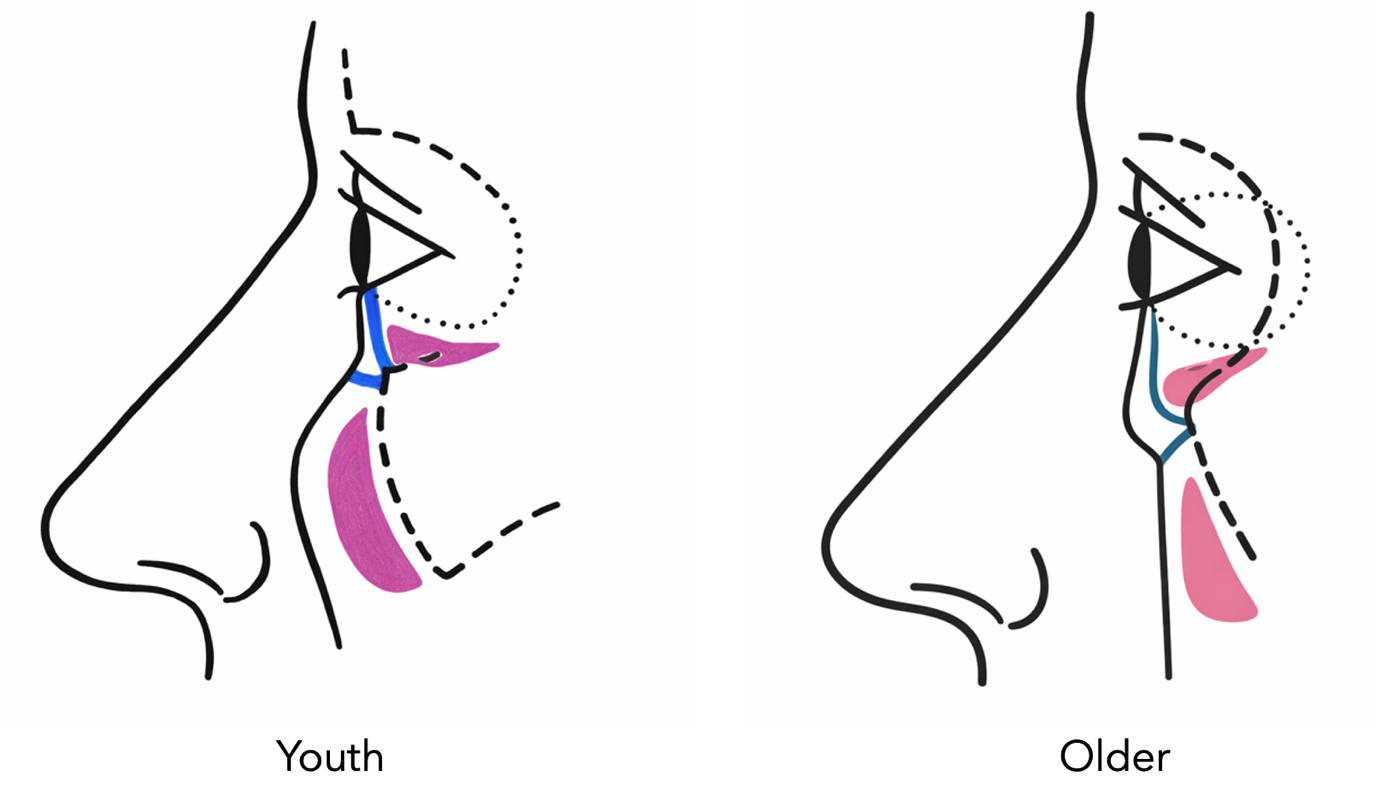
In youth, there is a prominent fat pad beneath the eye and towards the centre of the cheek. This creates the smooth transition between the lower eyelid and the cheek that we associate with a youthful appearance.
With age, this fat pad gradually shrinks and descends. At the same time, the underlying bones beneath the eye slowly recede.
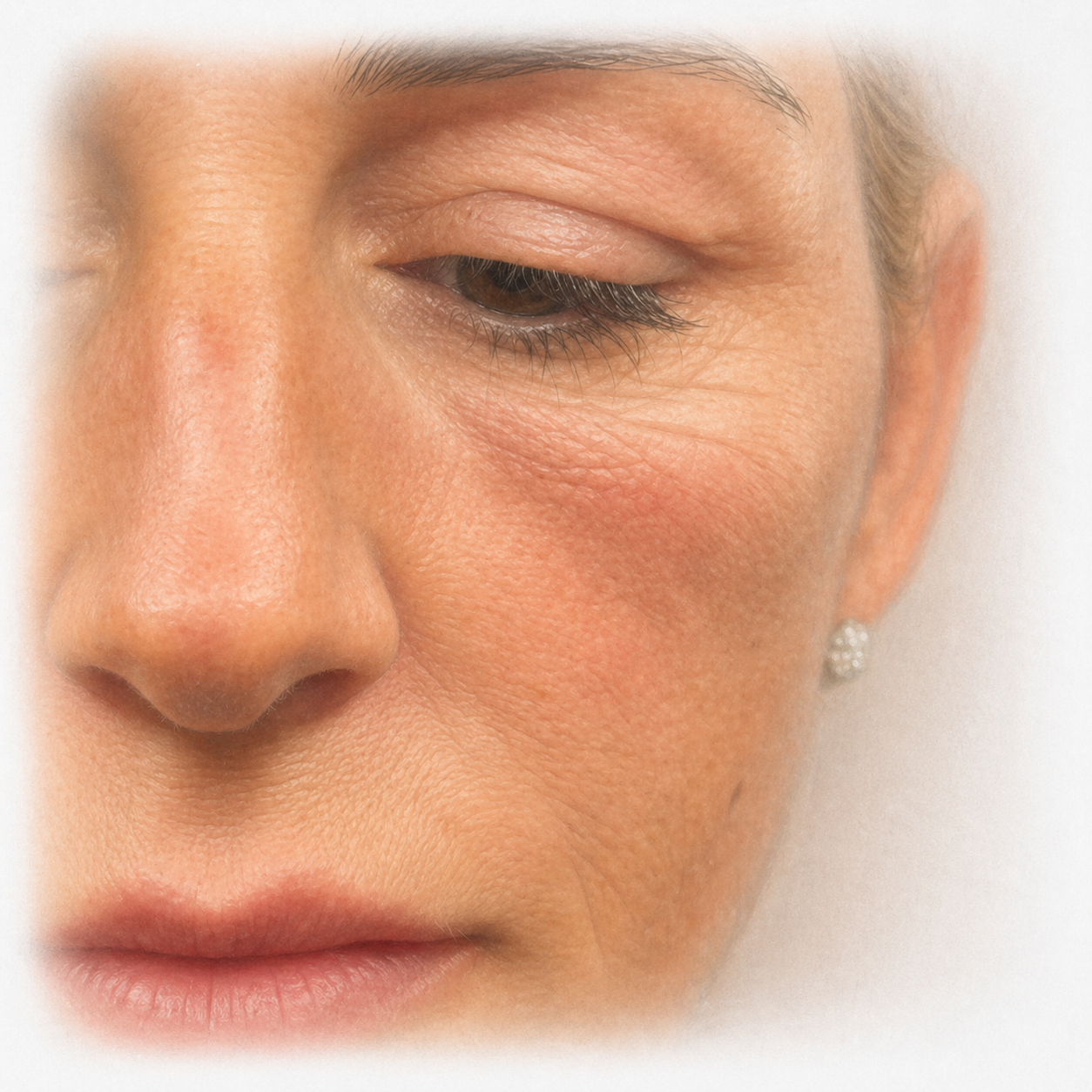
The result is flattening or hollowing of the upper cheek.
This change is often most noticeable beside the nose and below the inner corner of the eye. While flat cheeks themselves don't replicate looking tired, they can make eye bags look more prominent and increase the shadows under the eyes, both of which contribute to a tired appearance.
What causes dull skin?
Healthy skin reflects light evenly.
When we are tired, dehydrated or unwell, the skin often looks dull and less vibrant. Reduced hydration and changes in circulation are partly responsible.
Ageing creates some of the same visual effects.
Over time, the skin loses collagen, elastin and hyaluronic acid. It becomes thinner, less elastic and less able to retain moisture. Fine lines become more visible, and the surface becomes less smooth.
The result is skin that may appear less radiant than it did in younger years.
This loss of brightness can contribute significantly to the impression of tiredness.
What can I do about looking tired?
There are facial features of being tired that are shared by those of ageing. The ageing features are caused by a combination of skin changes, loss of volume, sagging tissues and repeated movement over many years.
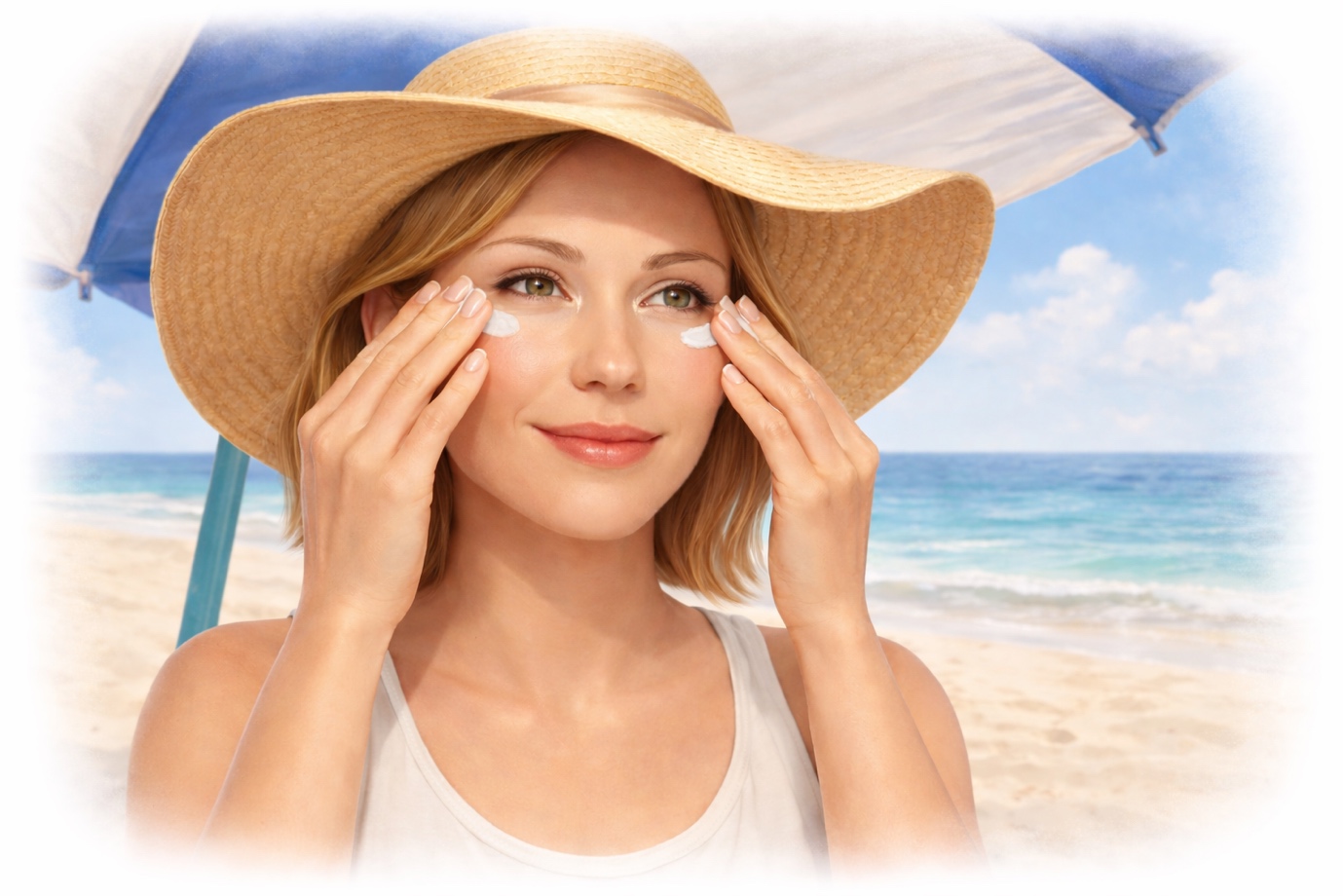
Simple measures such as sun protection, avoiding smoking and vaping, maintaining stable body weight, and using skin care products that have been proven to work, can help slow some of these processes.
And of course, try to get enough good quality sleep... While this is not the place to go into how to do that, I will mention that caffeine and alcohol in the evening will cause both poor sleep, and some degree of dehydration which is not great for your skin quality.
In clinical practice, the most important step is identifying which features are contributing most to the tired appearance.
For one person, the main issue may be eye bags. For another, it may be upper cheek hollowing, heavy eyelids or skin quality changes. Often several factors are present at the same time.
A personalised assessment allows us to identify the causes and discuss which approaches may be appropriate.
The important point is that looking tired is usually not caused by a single problem. It is often the result of several small changes occurring together, each contributing a little to the overall impression.
F.A.Q.
1. Are there any quick fixes for eye bags?
Caffeine-containing cream and cool (but not ice) compression may help. A quick fix, these can temporarily slightly improve eye bags if part of the cause is fluid accumulation by mildly constricts those leaky blood vessels. Effects last a couple of hours at most.
Head elevation can assist. If you find that eyebags are worse upon waking and improve after a few hours, you may find that adding an extra pillow at night makes a difference.
Comouflage can reduce the light reflection, and/or lighten the skin. It doesn’t reduce the eye bags' contour, but it can make them less noticeable.