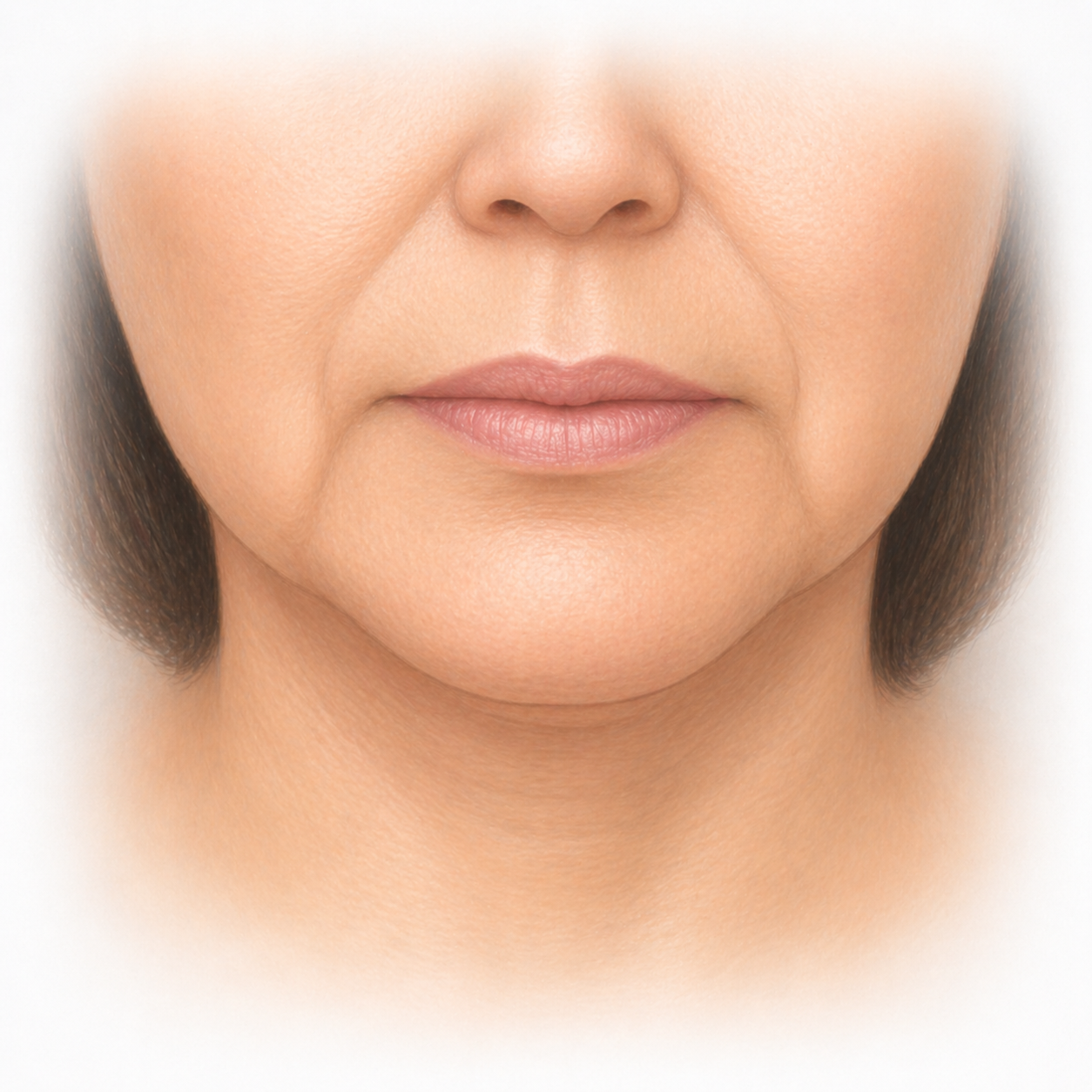

When people talk to me about weight, the conversation usually sits somewhere between health, confidence and appearance. Some want to lose weight because they are worried about diabetes, blood pressure or their joints. Others are frustrated by how they feel in clothes, how heavy they feel moving around, or what weight gain has done to their face. Often it is all of those things at once.
The problem is that weight loss advice is a mess. There is always a new diet, a new influencer, or a new theory about insulin, intermittent fasting windows, metabolism or “fat-burning foods”. It is very easy to come away with the impression that weight loss is mysterious and that success depends on finding the one special method that nobody else knows about.
I do not think that is true.
In my view, weight loss becomes much less confusing once you understand a few basic principles. Those principles are not glamorous, and they do not sell many books, but they are the things that matter. The purpose of this article is to put those principles in one place.
The key to understanding weight loss
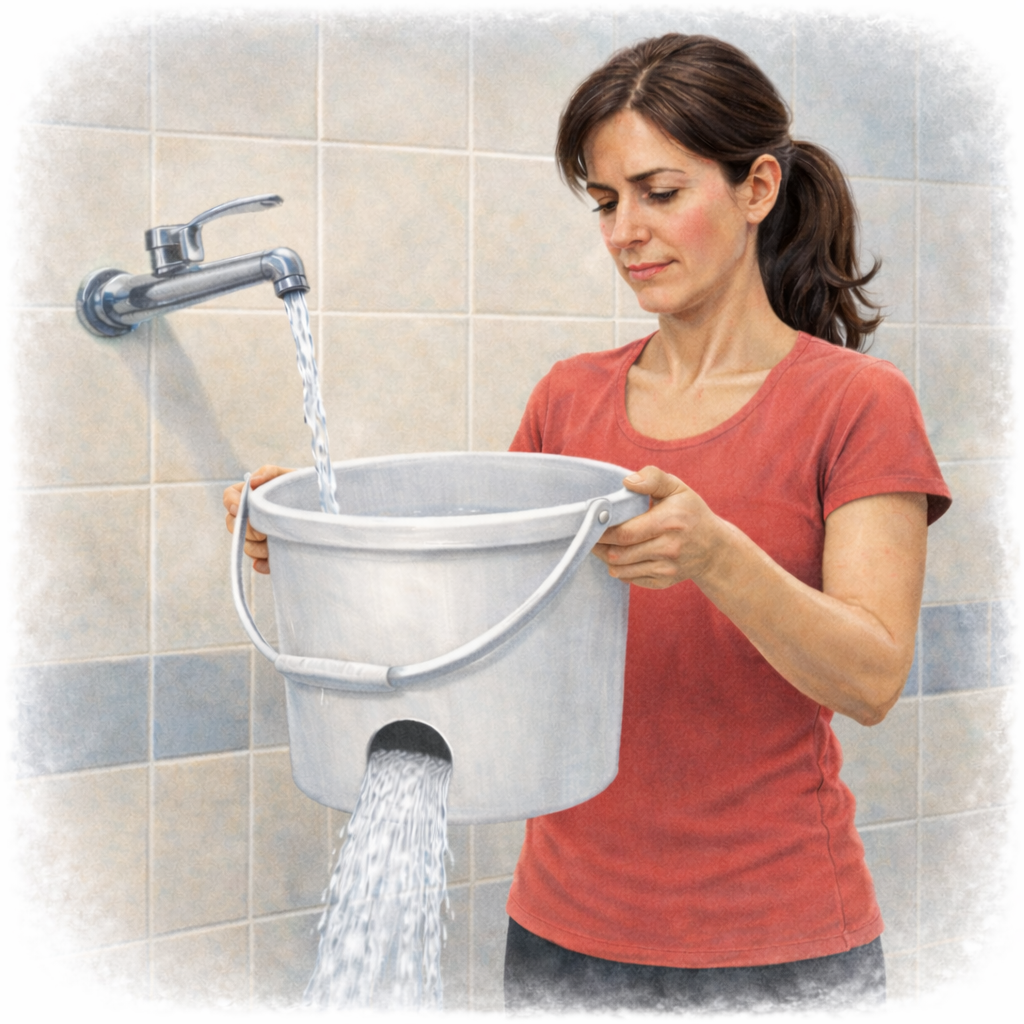
When we consistently take in less energy than we use, we lose weight.
That is the central idea. Everything else sits around it.
When I say “energy”, I mean the fuel we take in through food and drink. In Australia it is measured in kilojoules (kJ). In the United States people usually talk about calories. They are simply different units describing the same thing.

If your body uses 9,000 kJ in a day and you eat 11,000 kJ, the excess energy has to go somewhere. Much of it will be stored as fat. If your body uses 9,000 kJ and you eat 7,000 kJ, it has to make up the difference by drawing on stored energy, again mostly fat.
That is why I think weight loss is best understood as an energy balance problem rather than a problem of one “bad” food or one magical “good” food.
Once you understand that principle, a lot of weight-loss confusion falls away. You no longer need to wonder whether success depends on keto, fasting until lunchtime, cutting out fruit, or buying some expensive supplement. Those things may change how easy or hard it is to maintain an energy deficit, but they do not change the underlying rule.
The same principle also explains why weight often returns after a successful diet. If the old eating pattern comes back and energy intake rises above energy use again, the weight usually follows.
What sort of deficit is sensible?
In practice, most people do better with a moderate and sustainable deficit than with an extreme one.
A useful target for many people is to lose about 2 kg per month, which usually means an average deficit of about 2,000 kJ per day. That is enough to produce meaningful progress without making the whole process so uncomfortable that it becomes hard to sustain.
Could you lose weight faster? Of course. But rapid weight loss is often harder to stick to and more likely to cost you muscle as well as fat. I think most people do better when they stop asking, “How fast can I lose this?” and start asking, “What pattern could I actually repeat for the next six months?”
What's the best diet to lose weight?
People often ask me which diet is best: Mediterranean, low carb, high protein, paleo, intermittent fasting, plant-based, keto, carnivore and so on.
The unsatisfying answer is that there is no single best diet for everybody.
If two different diets produce the same energy deficit, they will usually produce similar weight loss over time. In other words, people do not lose weight because a diet has a fashionable name. They lose weight because the diet leads them to consume less energy than they use.
That said, diets are not all equal in the real world. Some make it easier to feel full, easier to control portions, and easier to keep going for months. Others are socially awkward, nutritionally unbalanced, or so restrictive that people rebel against them after two weeks. So while the name of the diet matters less than people think, the practical structure of the diet matters a great deal.
What about carbs, protein and fat?
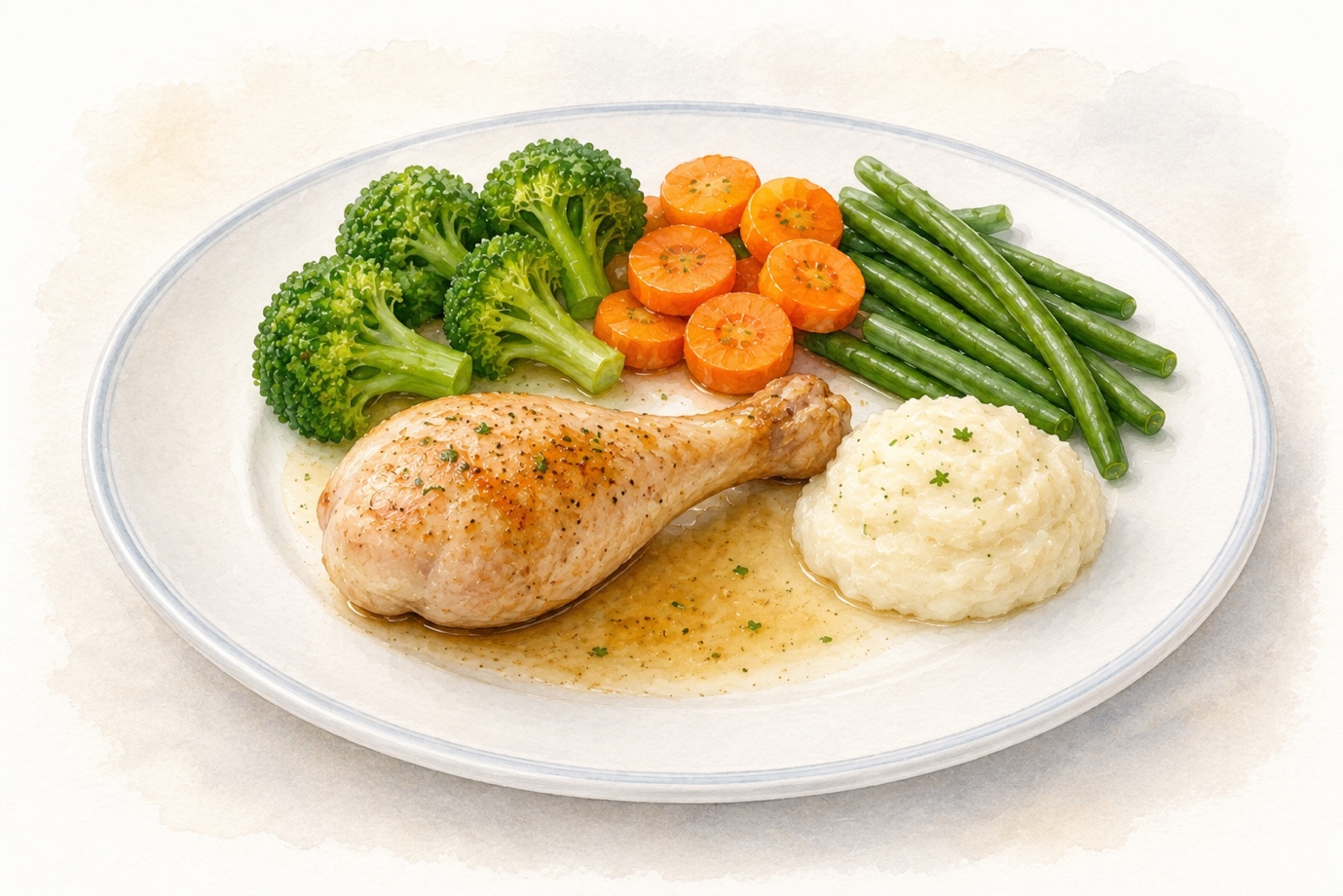
A lot of public discussion about diet focuses on “macronutrients” – protein, carbohydrate and fat.
Most diets simply rearrange the same three macronutrients — protein, carbohydrate and fat. For weight loss, I think protein deserves some attention because it helps preserve muscle and improves fullness. That does not mean carbohydrate is the enemy. The problem is usually not carbohydrate itself, but highly processed foods built to be easy to eat, hard to stop and not very filling.
What are the best foods for weight loss?
In my view, most people do better when the diet is built mainly around minimally processed foods:
- Protein - lean meat, fish, eggs, Greek yoghurt, tofu for protein
- Carbs - preferably in wholegrain form and in sensible portion sizes (rice, oats, potatoes, bread or pasta)
- Some fat is OK. Consumed fat doesn't mean the body pus on fat.
- Vegetables and fruit for fibre, micronutrients and bulk
- Nuts, olive oil and avocado in moderation
- Water as the main drink
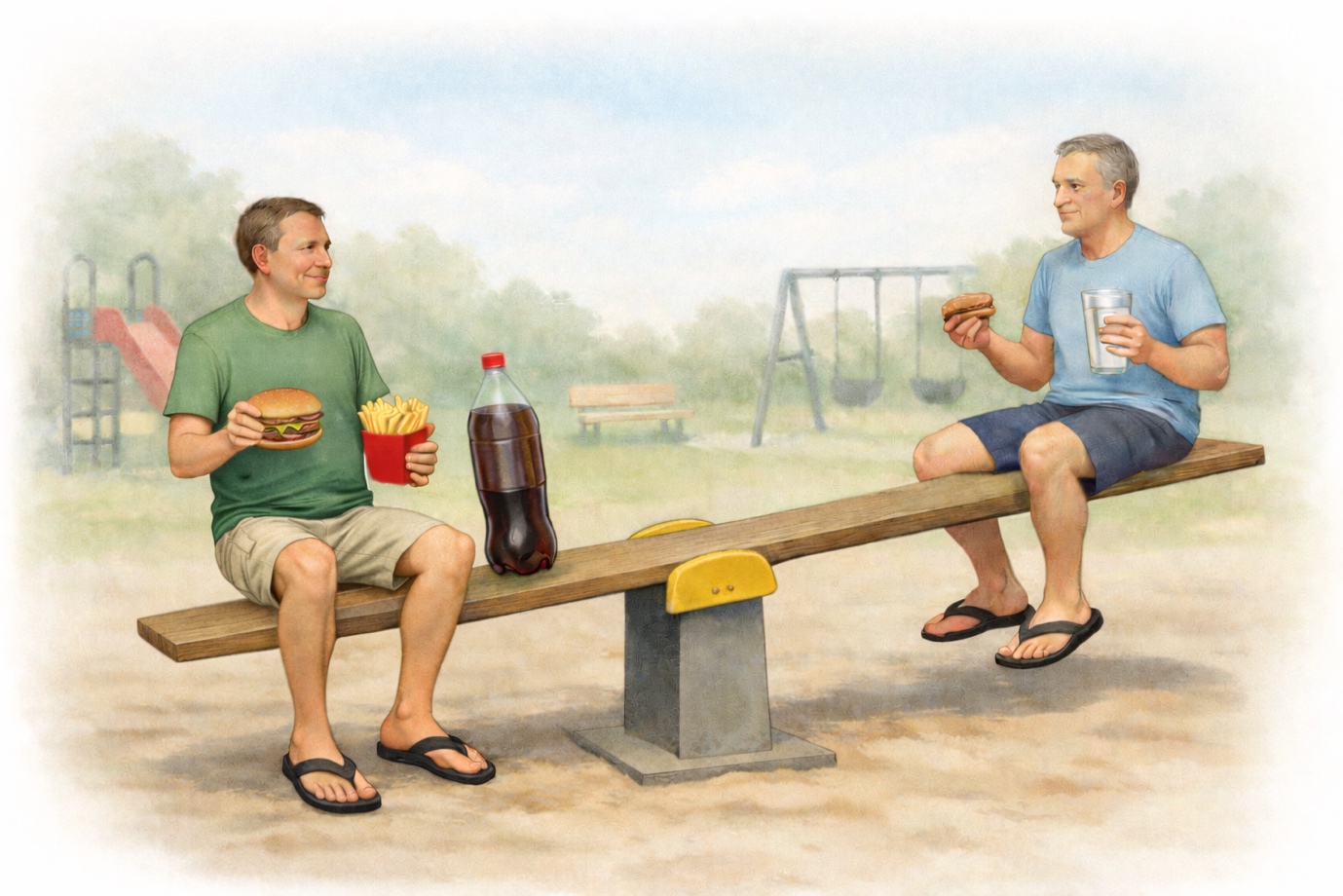
The foods that tend to make weight loss harder are not mysterious either. They are the ones that pack a lot of energy into a small, tasty, easy-to-eat package:
- soft drinks and sweetened drinks
- chips, biscuits, pastries and confectionery
- take-away meals and fast food
- highly processed snack foods
- large amounts of alcohol
- café food and restaurant meals where the portion size and hidden energy content are easy to underestimate
That does not mean these foods can never be eaten. It means they are easy to overconsume and often poor at controlling hunger.
Does intermittent fasting work?
For some people, yes. But I think it is best understood as a method of controlling energy intake, not as a metabolic superpower.
If someone finds it easier to skip breakfast, eat within a restricted time window, and naturally reduce their overall intake, that can be perfectly reasonable. If another person becomes ravenous at 4 pm and then eats half the kitchen, it may not be the right tool for them.
I do not think people should feel they have failed if a fashionable eating pattern does not suit them. The right diet is usually the one that allows a person to maintain a sensible energy deficit without feeling miserable, socially isolated or nutritionally reckless.
So, how much should I eat?

This is where the theory has to become practical.
The answer depends on your sex, body size, age and activity level. Even at rest, your body still needs energy to keep your heart beating, your lungs working and your organs functioning. On top of that, most people are also walking, working, shopping, cleaning, lifting children and doing life.
As a rough example, an average-sized woman might maintain her weight at around 8,500 to 9,500 kJ per day, depending on her activity. A man of average size will usually need more. The exact number varies, but the important point is that maintenance intake is not fixed. It changes according to body size and activity.
Turning a weight loss goal into a daily intake target
If someone maintains their weight at about 9,000 kJ per day and wants to lose around 2 kg per month, a reasonable target might be about 7,000 kJ per day on average.
That does not mean counting every kilojoule forever. Some people like tracking apps or food diaries at the beginning because they quickly reveal where the hidden energy is. Others prefer a looser approach once they understand which foods and portion sizes fit their target.
Where people often get caught out
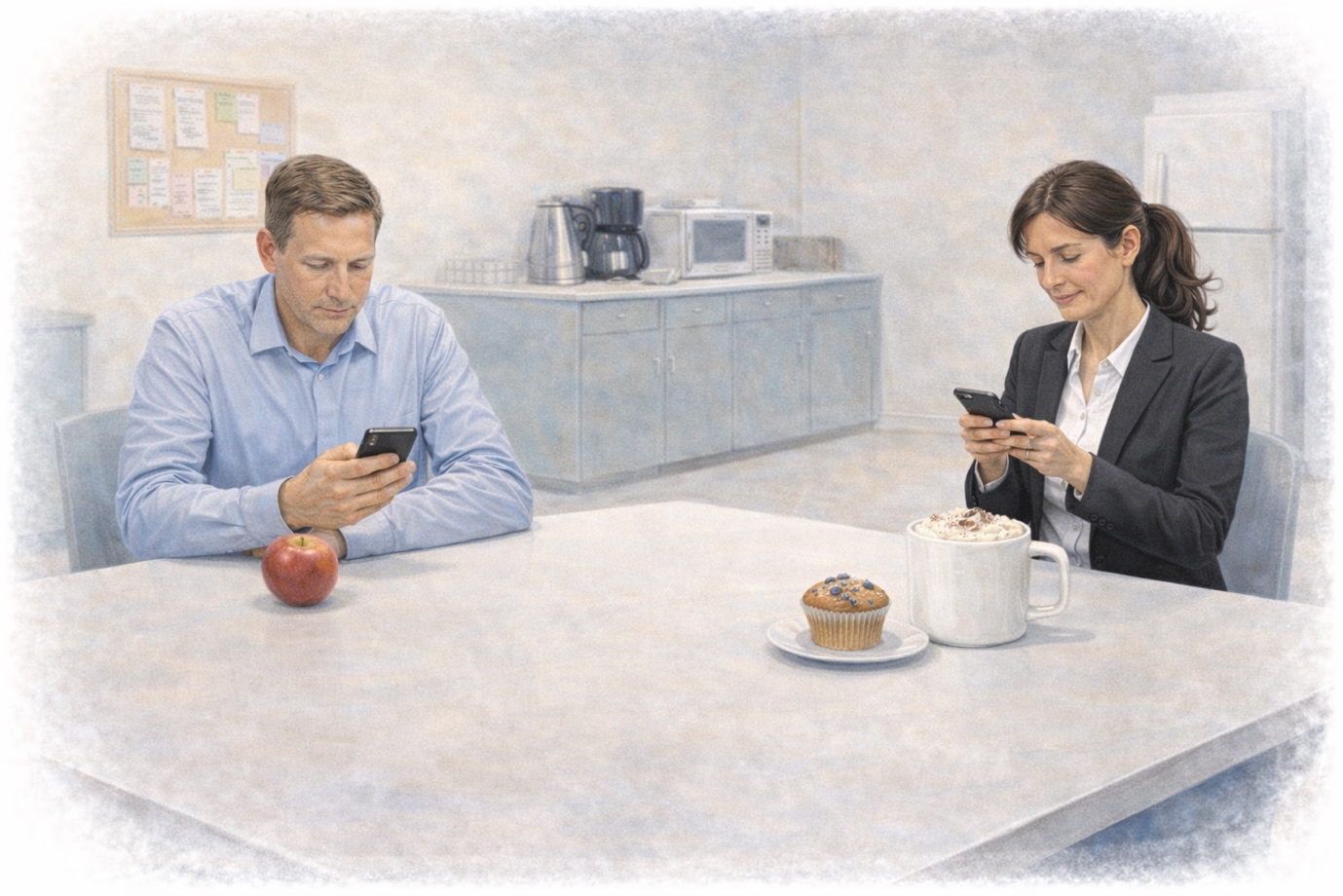
Many foods that look innocent are surprisingly energy-dense. A café muffin, a slice of banana bread, a bottle of iced coffee, a take-away curry, a burger meal or a few restaurant pours of wine can wipe out a day’s planned deficit without looking outrageous on the table.
This is one reason people often feel they are “being good” but not losing weight. Usually the problem is not a broken metabolism. It is that energy intake is higher than they realise.
What food swaps can save kilojoules?

One practical way to lower your kilojoule intake is to look for repeat offenders and swap them for lower-kJ alternatives. I do not mean turning every meal into misery. I mean noticing the items that add a lot of energy without making you especially full, and finding a version that does a similar job for fewer kilojoules.
Here are a few examples:
- Medium double-shot cappuccino with oat milk and one sugar – about 700 kJ
Swap to: a small double-shot flat white with skim milk and no sugar – about 350 kJ, or a long black with a dash of skim milk and one sugar – about 100 kJ - 375 mL can of soft drink – about 400 kJ
Swap to: water, soda water, or a zero-sugar soft drink – 0–5 kJ - Two schooners of full-strength beer – about 1,400 kJ
Swap to: one low-carb beer and one glass of water – about 450 kJ - Fast-food medium meal with burger, fries and soft drink – about 4,200 kJ
Swap to: a chicken and avocado sushi roll with water – about 1,200 kJ - Large café muffin or banana bread – about 2,000 kJ
Swap to: portion high-protein Greek yoghurt and a piece of fruit – about 800–1,000 kJ - Take away butter chicken with rice and a naan – about 5,000 kJ
Swap to: a supermarket pre-packed microwave meal of butter chicken, rice and veges– about 2,000–2,500 kJ
The point is not that these substitutions are magic. It is that repeated small savings can add up surprisingly quickly over a week.

What foods are secretly high in kJ?
Quite a few of them. The problem is that foods can sound healthy because they contain oats, nuts, avocado, fruit or yoghurt, but still be very energy-dense.
Common examples include smoothies, acai bowls, granola, trail mix, protein bars, café muffins, banana bread, wraps loaded with dressing, large sushi meals, and salads topped with lots of oil, nuts, haloumi or creamy sauces. None of these foods are “bad”, but they can contain a surprising number of kilojoules without making you especially full.
This is one reason I think it helps to be sceptical of labels like “healthy”, “natural” or “high protein”. They do not tell you how much energy the food contains. If weight loss is the goal, it is worth paying attention not just to whether a food sounds virtuous, but to how filling it is for the kilojoules it costs you.
What else matters besides kilojoules?
Kilojoules determine whether weight goes up or down, but they are not the whole story. A good weight-loss diet also needs to be filling, nutritious and compatible with preserving muscle.
1. Protein
Protein helps preserve muscle during weight loss and improves fullness. This becomes more important with age, because we naturally lose muscle as we get older.
2. Fibre
Fibre is one of the unsung heroes of weight management. It slows stomach emptying, improves fullness, helps bowel function and is good for metabolic and bowel health. Soluble fibre, found in foods such as oats, legumes, apples and psyllium, is particularly useful for satiety. Insoluble fibre, found in whole grains, nuts, seeds and fruit and vegetable skins, helps with bowel regularity.
3. Vitamins and minerals
If a diet is built around vegetables, fruit, lean protein and sensible whole foods, this usually takes care of itself reasonably well. Extreme diets are more likely to run into trouble.
So when I think about “how much should I eat?”, I do not just think about a kilojoule target. I think about a kilojoule target built from foods that are filling, nutritious and repeatable.
What is the role of exercise in weight loss?
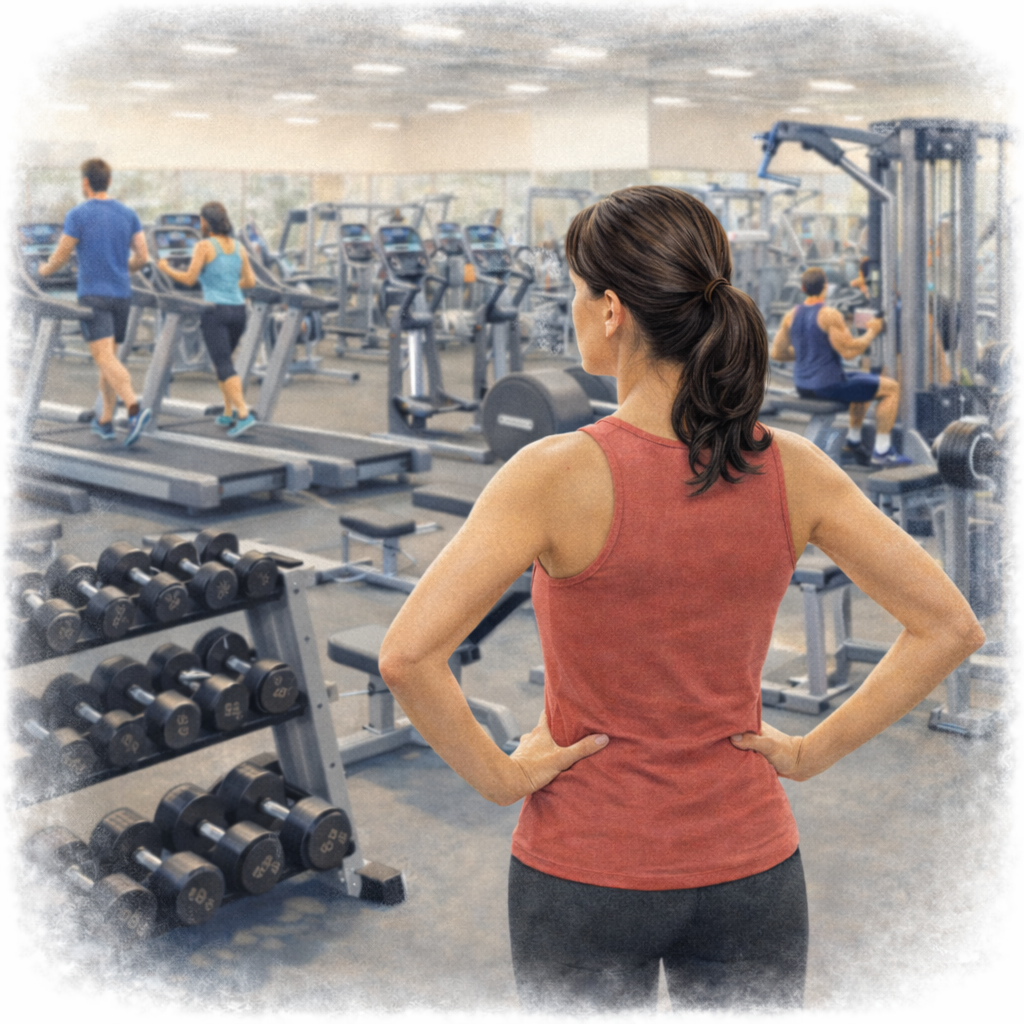
Exercise is important, but not quite for the reason many people think.
Cardio is often marketed as the main engine of weight loss. In reality, its direct effect on energy expenditure is usually modest. A half-hour jog may burn a useful amount of energy, but it is rarely enough to compensate for a chronically high intake.
That is why I think it is a mistake to treat exercise as permission to eat whatever you like. It usually does not work that way.
Is exercise overrated?
No — not at all. It is just that its value goes beyond “burning calories”.
Exercise helps with weight management in several ways:
- it adds some extra energy expenditure
- it helps preserve muscle during weight loss
- it can help to maintain bone density
- it improves heart health
- it improves mood, sleep and stress regulation
- it has been shown to make long-term weight maintenance more likely
Why resistance exercise matters
If someone loses a lot of weight without using their muscles, they will often lose muscle along with fat. Resistance exercise helps reduce that. It tells the body that muscle is still needed.
This matters even more with age, because loss of muscle mass and strength is one of the major reasons older people become frail, unstable and injury-prone. Resistance exercise does not require a gym membership. It can be done with dumbbells, resistance bands, body weight or simple household exercises.

How can I sustain weight loss?
This is the section that matters most.
Many people can lose weight for two or three weeks. Far fewer can keep it off for six months or two years. In practice, long-term success depends less on whether you chose Mediterranean versus low carb, and more on whether your plan can survive ordinary life.
Diets tend to fail when they are too restrictive, socially awkward, incompatible with the person’s preferences, or simply too complicated to keep organising week after week. When that happens, people often lose some weight at the beginning, feel pleased, then gradually drift back into old habits.
A plan does not need to be perfect. It needs to be repeatable.
That is the principle I would keep coming back to. If you hate cooking, a diet built around elaborate nightly meal prep may not survive. If you travel a lot, a plan that collapses every time you eat in a restaurant may not survive. If you love bread and a diet tells you bread is banned forever, that may not survive either.
This is why I think sustainability is not a soft secondary issue. It is central.
Some practical tips

A few practical habits make a big difference:
1. Build a weekly structure
Some people do much better once they stop improvising every meal. A simple weekly menu plan, even if it is repetitive, removes a lot of decision-making.
2. Know the few foods that blow your kJ “budget”
You do not need to memorise the kJ content of every food in Australia. But it helps to know the items that can quietly derail a day: café muffins, iced coffee, take-away curries, fast food meals, restaurant wine pours, alcohol-heavy weekends and “healthy” snack foods that are still very energy dense.
3. Make peace with routine
Weight loss is usually less dramatic than people hope. The successful version often looks repetitive and slightly dull. Similar breakfasts. Similar lunches. Similar snacks. Similar shopping lists. That may not be exciting, but it is often effective. The good news is that boring does not have to mean tasteless. You can still borrow flavours from all sorts of cuisines — chilli, herbs, spices, garlic, ginger, lemon, vinegar — without turning every meal into a kilojoule bomb.
4. Don't expect perfection
Progress is rarely linear. Holidays happen. Birthdays happen. Stressful work weeks happen. The important thing is not whether you slipped. It is whether you resume the plan rather than writing off the next month.
5. Keep some flexibility
I do not think a diet has to be joyless to work. For many people, it is better to include a few foods they genuinely enjoy in controlled amounts than to white-knuckle a “perfect” plan for three weeks and then binge on everything in sight.
An example of a sustainable plan
Imagine a 50-year-old woman who is 80 kg and wants to reach 60 kg over about a year. She calculates that, with her daily activities and three exercise sessions per week, she maintains her weight at around 9,000 kJ per day. To lose around 2 kg per month, she aims for about 7,000 kJ per day on average.
She does not try to become a nutrition saint overnight. Instead, she builds a simple weekly structure around foods she already likes, with a bit more protein, plenty of fibre, and a few strategic sacrifices. She does some walking, adds a couple of resistance sessions each week, and accepts that some weeks will be messy.
That is what I mean by sustainable. Not perfect. Just plausible.
How does weight loss affect the face?
This is the part of the weight conversation that many people do not expect.
When someone loses weight, they usually think about their waist, hips, clothes size or blood pressure. They are less likely to think about their face. But the face contains fat too, and in some people it is one of the first places that change becomes obvious.
The face has fat as well
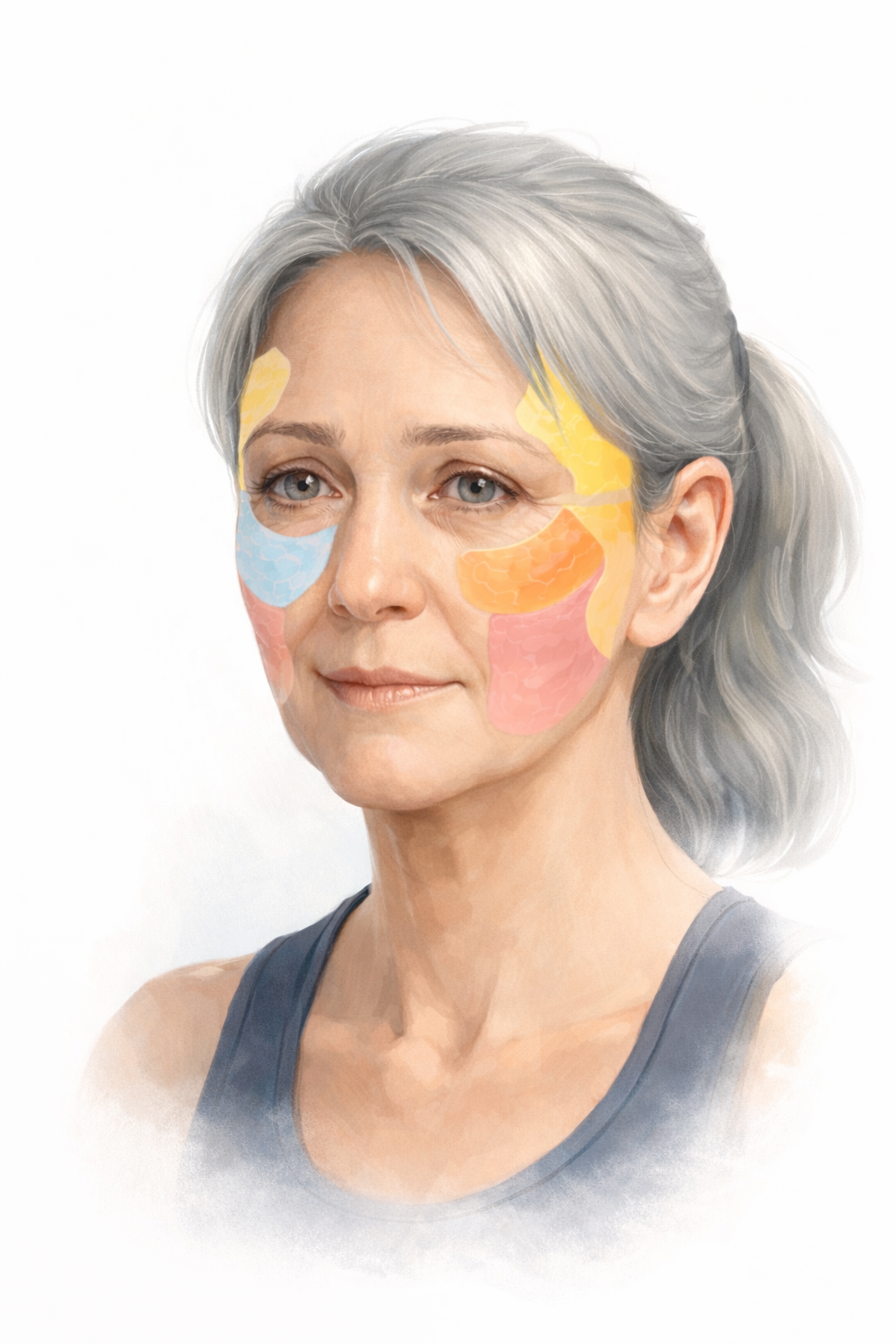
The face is made up of several layers: skin, fat, muscle and bone. Facial fat plays an important role in shape. It gives softness to the cheeks, supports the temples and under-eye region, and helps create the smooth curves that we tend to associate with youth and health.
When body fat falls, facial fat often falls as well. That can reduce fullness in the cheeks, flatten the “apples” of the cheeks, hollow the temples, and make shadows under the eyes more obvious. In some people the change is subtle. In others it is surprisingly noticeable.
Weight loss can make the face look older
That sounds harsh, but it is often true.
Ageing already tends to reduce facial fat over time. If weight loss accelerates that process, the result can be a face that looks leaner, more tired or more hollow even though the person is healthier overall. This is especially relevant in middle age and beyond, when the face may already be losing some support from fat, skin elasticity and bone changes.
How weight loss affects the facial skin
Skin has some elasticity, but not unlimited elasticity. When weight is lost, especially if the loss is rapid or substantial, the skin does not always contract perfectly to match the new underlying volume. This can contribute to a softer or slightly looser appearance, especially along the jawline and lower face.
That does not mean weight loss is bad. Usually the health benefits are far more important. But it does mean there can be a trade-off between a leaner body and a fuller face.
Why this is good to know if you're losing weight
I think it is useful for people to know this in advance, because otherwise they may feel alarmed when the face changes. They may think something has gone wrong, or that they suddenly look “tired” or “drawn” for no reason.
In reality, they may simply be seeing the effect of fat loss in a part of the body that is always on display.
This is one of the reasons I am cautious about pushing aggressive weight loss in people whose face is already beginning to hollow with age. The right weight target is not always the lightest possible number on the scale. It is the one that balances health, function, confidence and appearance in a way that makes sense for that person.
F.A.Q.
1. Can you lose weight from some areas but not others?
Not in any reliable way.
When people lose weight, fat is reduced from all over the body according to their own genetics and hormone patterns. That is why some people notice it first from their waist, others from their thighs, and others from their face. Exercise can strengthen particular muscles, but it does not selectively force the body to burn fat from just one nearby area.
So if someone asks whether they can lose belly fat while keeping every bit of fullness in their face, the honest answer is: not usually. You can choose how much weight to lose, and you can try to lose it gradually while preserving muscle, but you cannot precisely instruct your body where to take the fat from.
2. What's a simple, quick home exercise routine?
A good home routine does not need to be fancy. I would aim for 30 minutes, three times a week, with a mix of cardio and resistance work. A simple session might include a 5-minute warm-up, 10 minutes of lower-body exercises such as squats and lunges, 10 minutes of upper-body and core work such as push-ups, bands or light dumbbells, and 5 minutes of brisk walking, cycling or step-ups.
The key is not to design the perfect workout. It is to design one that you will actually keep doing.
3. Do you really need to count kilojoules?
Not necessarily, but it can be very helpful at the beginning. There are plenty of apps that make it fairly easy, and even a week or two of tracking can teach you a lot about where your kilojoules are really coming from.
Once you get into a routine, many people no longer need to count everything. If you are repeating similar meals, avoiding the obvious high-kJ traps, and seeing progress, you can usually relax and stop tracking all the time. I think of kilojoule counting as a short-term learning tool rather than a life sentence.
4. Is rapid weight loss a bad idea?
Not always, but it is often harder to sustain and more likely to cost you muscle as well as fat. It can also leave people hungry, tired and miserable, which is not a great recipe for long-term success. In my view, slower and steadier weight loss is usually the better strategy.
5. Can you lose weight without giving up alcohol?
Yes, but alcohol can quietly add a lot of kilojoules without making you full. For some people, cutting it out completely is the easiest option. For others, a more realistic approach is to reduce how often they drink, choose lower-kJ options, and be careful about the snacks and take-away food that often go with it.
6. Why do you lose weight from my face first?
Because when the body loses fat, it does not ask your permission about where to take it from. Some people happen to lose facial fat quite early, especially from the cheeks and temples, while others notice it first from the waist or thighs. It is largely down to genetics, age and where your body tends to store fat in the first place.
7. Do you need to cut out all carbs to lose weight?
No. People lose weight by maintaining an energy deficit, not by avoiding one particular nutrient. Carbohydrates are not inherently fattening. The problem is usually highly processed carbohydrate-rich foods that are easy to overeat and not very filling.
My final word
Weight loss is not mysterious, but it is difficult. It asks people to do something that sounds simple on paper — maintain an energy deficit — in a world that constantly encourages the opposite.
If I had to reduce this whole article to a few lines, it would be these:
- weight loss happens when energy intake is consistently lower than energy use
- no named diet gets around that rule
- a moderate, sustainable plan is usually better than an extreme one
- protein, fibre, resistance exercise and planning all matter
- the best weight-loss plan is the one you can repeat long enough for it to work
- and if you lose enough weight, do not be surprised if your face changes too

I think people do better when they stop chasing dramatic methods and start building a routine that is realistic, repeatable and slightly boring. Weight management is not usually won by perfection. It is won by doing sensible things for long enough that they begin to feel normal.