For many people, deciding whether to have an aesthetic treatment is much harder than deciding which treatment to have.
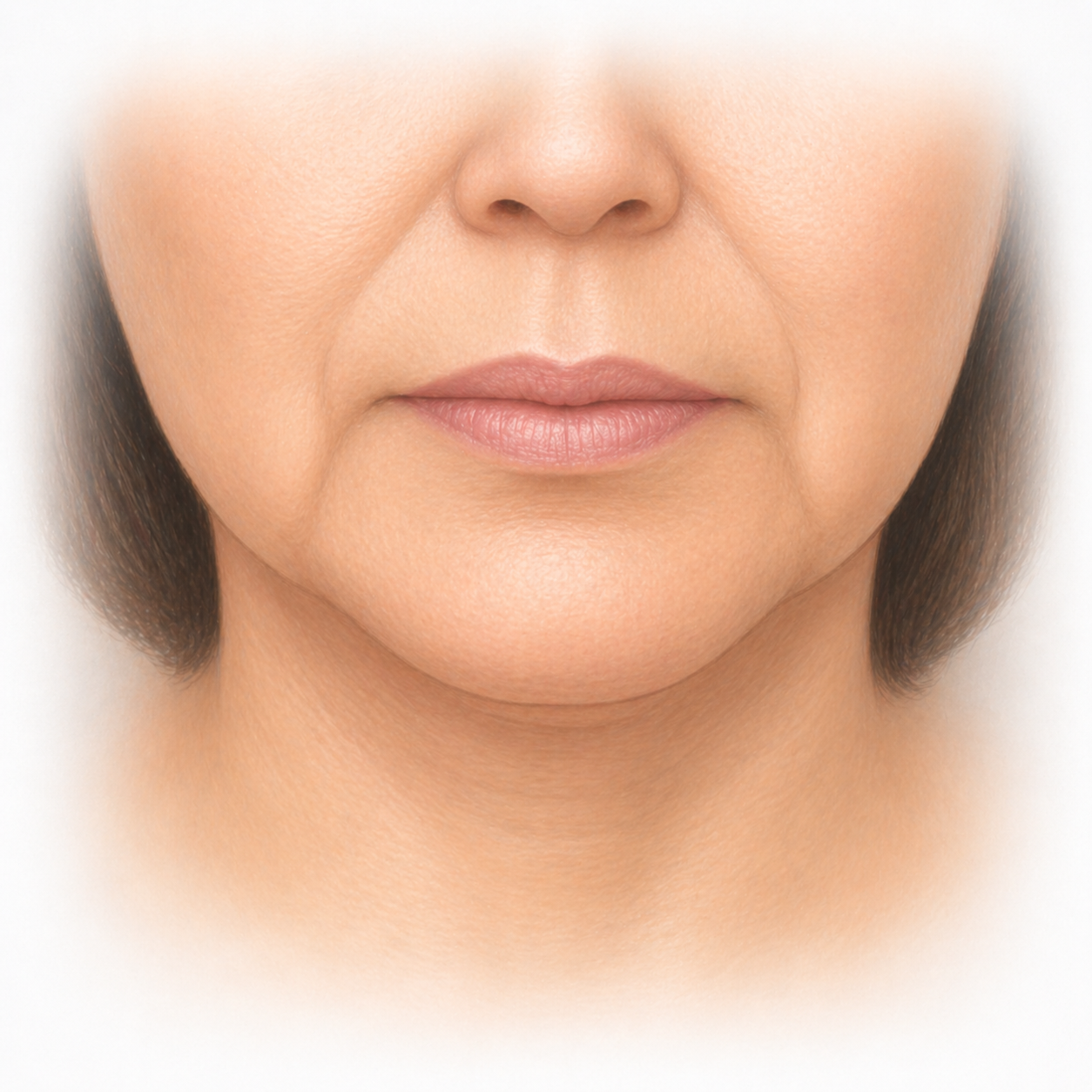
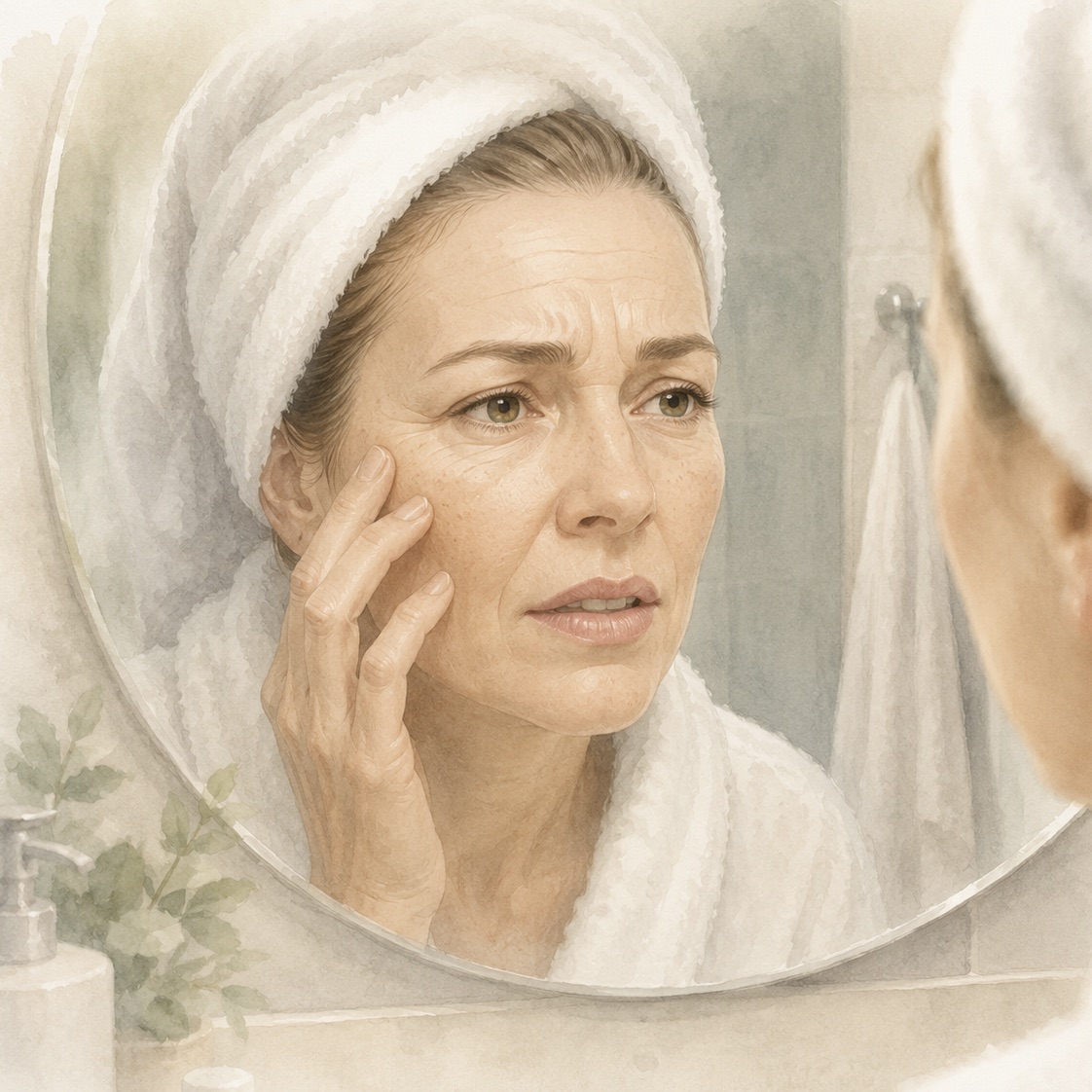
Perhaps you've noticed changes in your appearance that bother you. You may look more tired than you feel. Your jawline isn't as sharp as it once was. Friends have made the odd comment.
At the same time, you may feel conflicted. You don't want to look artificial or “done”. You may even wonder whether you should simply accept the changes that come with ageing and do nothing at all. If any of that sounds familiar, you're certainly not alone.
Why do some people feel conflicted about cosmetic treatments?
I understand that conflict because, in many ways, I've experienced it myself.
When I started working as a doctor, I never imagined I would one day be practising cosmetic medicine. I wanted to look after seriously ill and injured patients and make them physically better.
Contrary to what is often on TV, emergency medicine isn’t just about resuscitating trauma victims, heart attacks and cardiac arrests. Many of our patients come to hospital with physical illnesses that are caused or made worse by poor life satisfaction, chronic unhappiness or low self-confidence. Being happy and satisfied with life is a valuable gift.
Making choices about our appearance is something that makes many of us happy. These are choices in the clothes and jewellery we wear. They’re choices about make-up, hairstyle, tattoos or straightening crooked teeth. These little things we do help us to feel happy, confident and satisfied.
As I’ve witnessed the rise in popularity of cosmetic medicine in the last few decades, questions have come into my mind. Is it okay to have these treatments that seem to be on a different level to the other things people do to make them feel happy? Is it taking vanity too far? Is it unnatural? Do these treatments exist because society sees ageing as a “disease” that should be treated?
At the same time, I have met many thoughtful, emotionally healthy people who simply want their appearance to reflect how they still feel inside. They aren't trying to become twenty years younger or look like somebody else. They just don't want to look constantly tired, worried or older than they feel.
As I’ve gotten older I’ve landed on the following conclusion. As long as no one is being harmed, I believe people should be free to make their own decisions about what makes them happy and what they feel comfortable with. That might be buying the fashion they love, colouring their hair, wearing make-up, straightening their teeth, getting tattoos or having cosmetic treatments.
Cosmetic treatments are not for everybody. But for those who feel cosmetic treatment is right for them, I believe it is perfectly reasonable to enjoy the confidence it may bring.
Helping someone live the life they want to lead, in a safe and measured way, feels entirely consistent with the reasons I became a doctor in the first place.
For some people, cosmetic medicine will never feel right. For others, it may become another way of looking after themselves.
Neither decision is wrong.
What sort of cosmetic practitioner am I?
During my aesthetic medicine training I was fortunate to learn from some outstanding cosmetic physicians, nurse practitioners and surgeons. They taught me the finer points of anatomy, the importance of scientific evidence, good judgement and respect for the complexity of the face.
I also saw different approaches to practising cosmetic medicine. Some clinics are built around seeing as many patients as possible and recommending as many treatments as possible. Others take a slower, more conservative approach, where the consultation is just as important as the treatment itself.
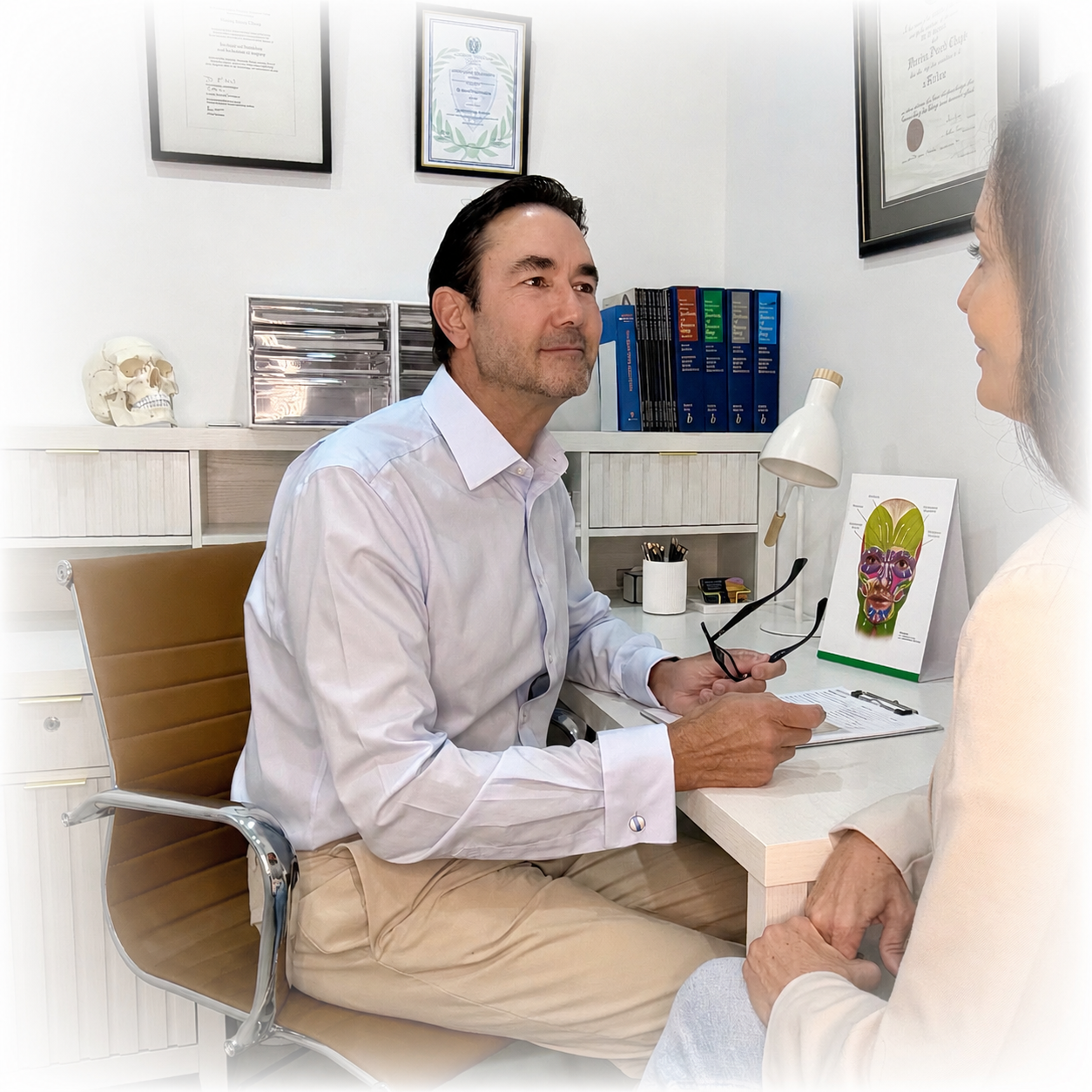
I realised quite early which approach suited me. After spending decades in emergency medicine, I enjoy having time to sit down with people, understand what is bothering them and explain why it is happening before discussing what, if anything, should be done about it.
Sometimes that conversation ends with treatment. Sometimes it ends with advice about skincare, sun protection or simply reassurance that what they are noticing is a normal part of ageing. Occasionally it ends with me recommending no treatment at all.
I'm comfortable with that.
My goal isn't to have the busiest cosmetic clinic.
It's to help each person make a decision that feels right for them.
What measures can you take yourself before seeking professional treatment?
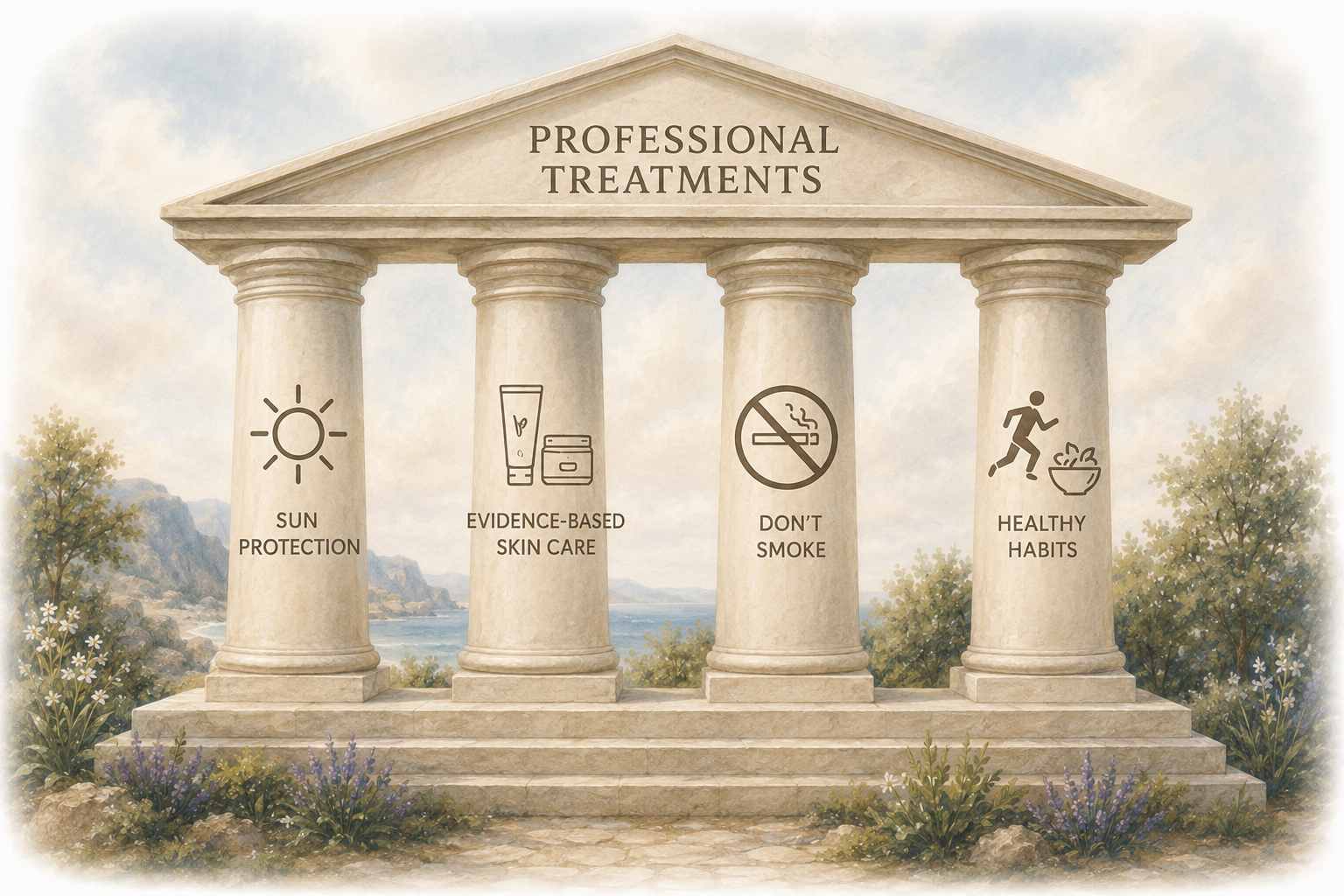
Quite a lot.
Before considering any professional treatment, I usually encourage people to build a good foundation.
Protect your skin from the sun.
Use evidence-based skincare.
Stop smoking.
Maintain a healthy weight.
Exercise regularly.
Sleep well.
These steps improve far more than appearance. They also improve your general health, and many of them continue paying dividends for decades.
Professional treatments work best when they are built on healthy habits rather than replacing them.
How do you choose a cosmetic practitioner?
The first thing I would suggest is look beyond photos. Glamourous clinic images, photos of models with perfect facial features, and before-and-after photographs (which are actually now not allowed under Australian law) don't tell the real sstory. They don't tell you how carefully the patient was assessed, whether alternatives were discussed, how complications are managed, or whether the practitioner advised against treatment when it wasn't appropriate.
Instead, ask yourself a few questions.
- Does the practitioner spend time explaining what's happening with your anatomy?
- Do they discuss the reasons behind your concerns rather than immediately recommending treatments?
- Do they seem willing to say "no" when something may not be in your best interests?
- Are they realistic about what treatment can and cannot achieve, and your budget?
- Do you feel listened to?
These things are much harder to advertise than impressive photographs, but I think they are ultimately far more important.
One final thought.
Some cosmetic procedures involve areas of the face containing major arteries, nerves or other important structures. Understanding that anatomy, recognising complications and knowing how to respond if they occur are all part of providing safe care. Whatever practitioner you choose, make sure you feel confident in their training, experience and ability to manage unexpected problems as well as routine treatments.
What changes are usually treated first?
For many cosmetic practitioners there is a standard formula: treat lines and skin first, then replace volume, then refine. While that is often a sensible approach, I think it is equally important to listen to the patient and customise the plan to the individual.
Some people come to a consultation knowing exactly what bothers them. They may simply want to soften their forehead lines. Others are less specific and might say they just look tired. Others are mainly concerned about changes in their jawline.
Then there is another very important consideration: budget.
For that reason, I don't believe in treating faces according to a standard recipe.
Instead, I try to get three things clear in my own mind before suggesting any treatment.
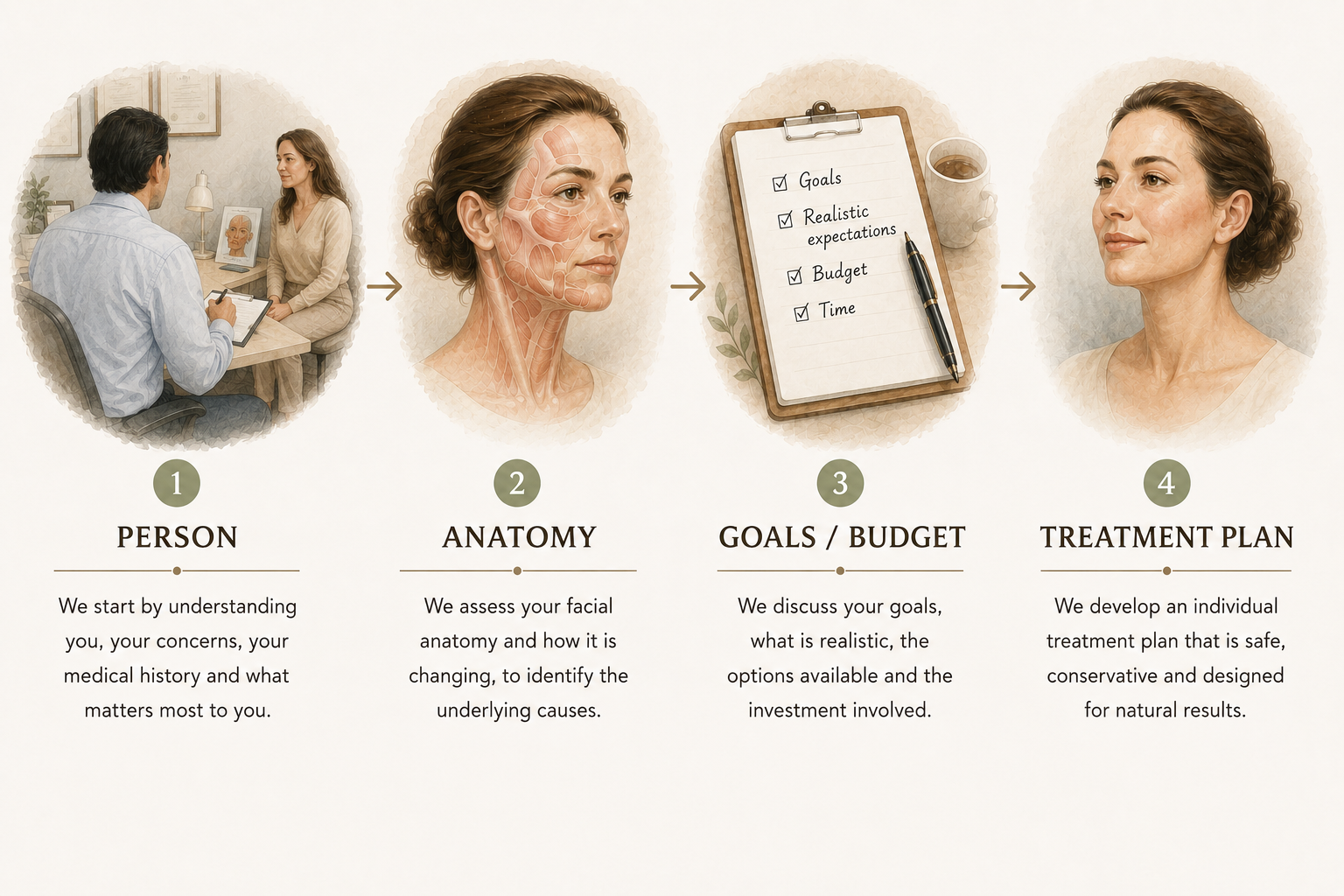
First, I want to understand the person. What changes are making the biggest difference to how they feel about their appearance? What are they hoping to achieve?
Second, I need to understand the anatomy. I examine the face, explain what is happening beneath the skin, and determine which anatomical changes are actually responsible for the concerns they have noticed.
Third, I need to consider the budget. There is little point recommending a treatment plan that isn't realistic or sustainable for the individual.
Only then can the patient and I develop a treatment plan that reflects the person rather than simply the face.
How far should treatment go?
This may be the easiest question to answer.
Enough is when you have achieved your goal.
Not your practitioner's goal.
Not your friend's goal.
Not the latest social media trend.
Your goal.
One of the commonest mistakes in cosmetic medicine is forgetting where the finish line is.
Many treatments can be repeated.
That does not necessarily mean they should be.
In my experience, the most satisfying results are often the ones that are difficult for other people to identify. Friends may simply say that you look well, rested or refreshed without being able to explain why.
For many patients, that is exactly the outcome they were hoping for.
_________________________
A story from Emergency
During my years in emergency medicine I looked after many patients with severe depression and anxiety, thoughts of deliberate self-harm, and restrictive eating disorders.
One thing that struck me was that some of them genuinely saw themselves very differently from the way everyone else saw them.
Within that realm is a condition called Body Dysmorphic Disorder (BDD). People with BDD become intensely preoccupied with an aspect of their appearance that they despise but may seem minor, or sometimes not even noticeable, to other people. The distress is very real, and it can have a profound impact on relationships, work and quality of life.
BDD is uncommon, and it is very different from the everyday experience of noticing normal age-related changes in the mirror.
The reason I mention it is because it reminds us of something important.
Our relationship with our appearance is influenced not only by what we see, but also by how our brain interprets what we see.
For that reason, good cosmetic medicine should always involve understanding the person in front of you, not just their anatomy.
_________________________
F.A.Q.
1. How old is too old for aesthetic treatments?
There is no rule here. Many older patients simply have different goals. They are often looking for subtle restoration rather than dramatic change.
2. Would if help to bring in photos of myself when I was younger?
Yes. They can be very helpful. They remind both you and your practitioner what your own face used to look like, rather than comparing yourself with someone else's.
Should I tell my practitioner if I've had previous cosmetic treatments?
Absolutely. Previous treatments can influence both the planning and the safety of future procedures.
3. Can I have cosmetic treatments while I'm pregnant or breastfeeding?
In most cases, elective cosmetic treatments are best postponed during pregnancy. This is not because they have been shown to be harmful, but because there is very little research confirming their safety during pregnancy. Many of the facial changes that occur during pregnancy, such as swelling and pigmentation, are also temporary and may improve naturally after your baby is born.
During breastfeeding, the situation is less clear. Theoretical risks from commonly used treatments appear to be very low, but safety data remain limited. For this reason, many cosmetic practitioners recommend waiting until breastfeeding has finished before proceeding with injectable treatments.
If you are pregnant, planning a pregnancy, or breastfeeding, it's important to mention this during your consultation so that we can discuss the most appropriate options for your circumstances.
4. Is it OK to decide not to have treatment after a consultation?
Of course. One of the outcomes of a good consultation should be feeling comfortable with whatever decision you make, including deciding to do nothing.
My final word
I don't believe cosmetic medicine is about chasing youth.
Nor do I think everybody should have aesthetic treatments.
What I do believe is that everyone deserves honest information, thoughtful advice and the opportunity to make informed decisions about their own appearance.
If you decide that cosmetic treatment isn't for you, that is perfectly reasonable.
If you decide that it is, I hope you choose someone who listens carefully, explains things clearly and places your long-term interests ahead of simply providing another treatment.
After all, good cosmetic medicine shouldn't be about making everybody look the same or chasing some ideal of perfection. At its best, it's about helping people look more like the person they still feel they are inside.