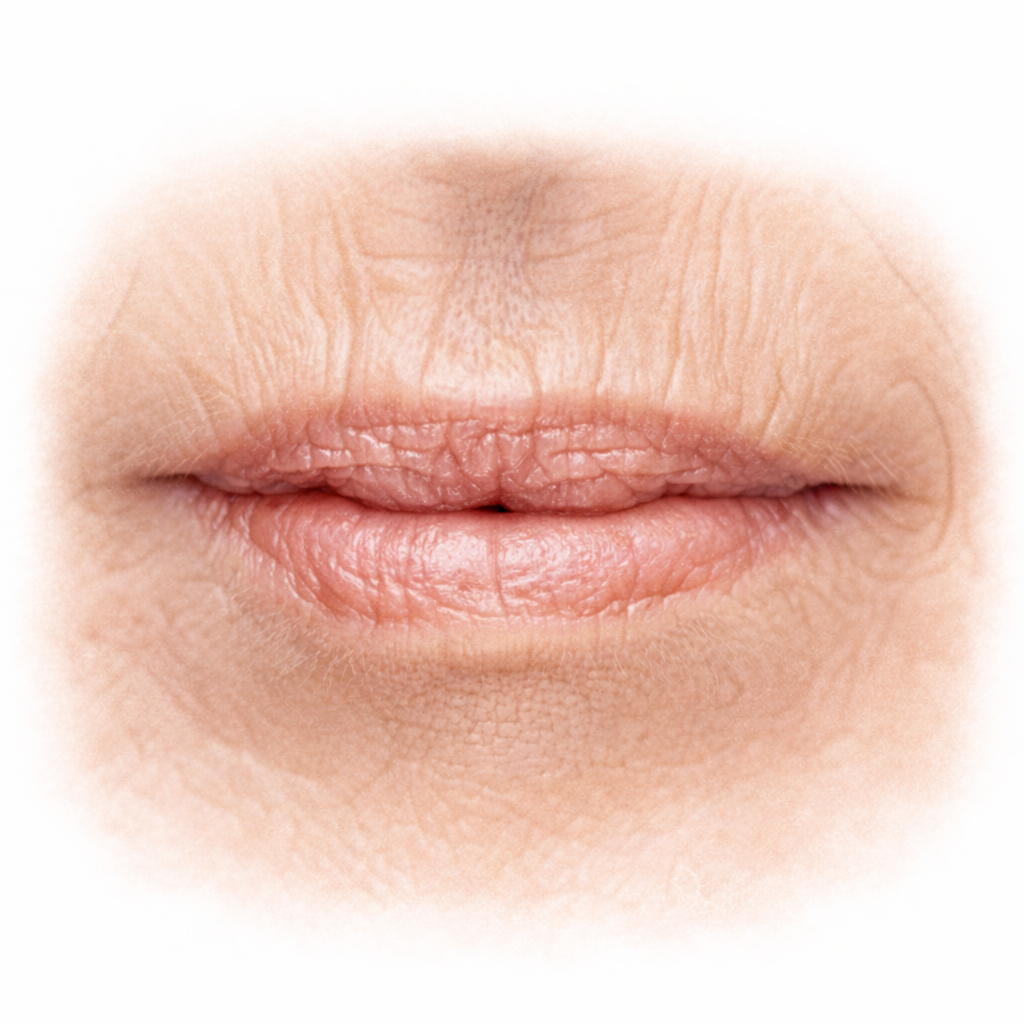
When people tell me they want “better skin”, they usually do not mean one single thing. They may mean that their skin feels dry, looks dull, has become crepey, shows more pigment, flushes easily, or no longer reflects light the way it used to. Sometimes they are talking about texture. Sometimes they mean redness. Sometimes they mean enlarged pores, roughness or fine lines. Often they mean all of these at once.
That is why I think skin quality is a useful term. It is broader than wrinkles and broader than pigmentation. It refers to the overall condition of the skin: how smooth it looks, how evenly coloured it is, how hydrated and elastic it feels, and how well it reflects light. Good skin quality does not mean perfect skin. It means skin that looks healthy, feels comfortable, and suits the age and face it belongs to.
The difficulty is that the skincare and cosmetic industry is full of promises. Some products and treatments genuinely help. Some probably help a little. Some are plausible but poorly proven. Others are mostly marketing. That can make it hard to know where to start, especially if you are standing in a pharmacy or browsing online and being told that half the products on the shelf are “clinically proven”.
My own view is that improving skin quality is usually about getting the basics right first, then adding more only if there is a clear reason to do so. That means understanding what has actually changed in your skin, using a few ingredients with reasonable evidence behind them, protecting the skin from the things that damage it, and then considering professional treatments if the problem is not one that creams can realistically fix.
What does skin "quality" actually mean?
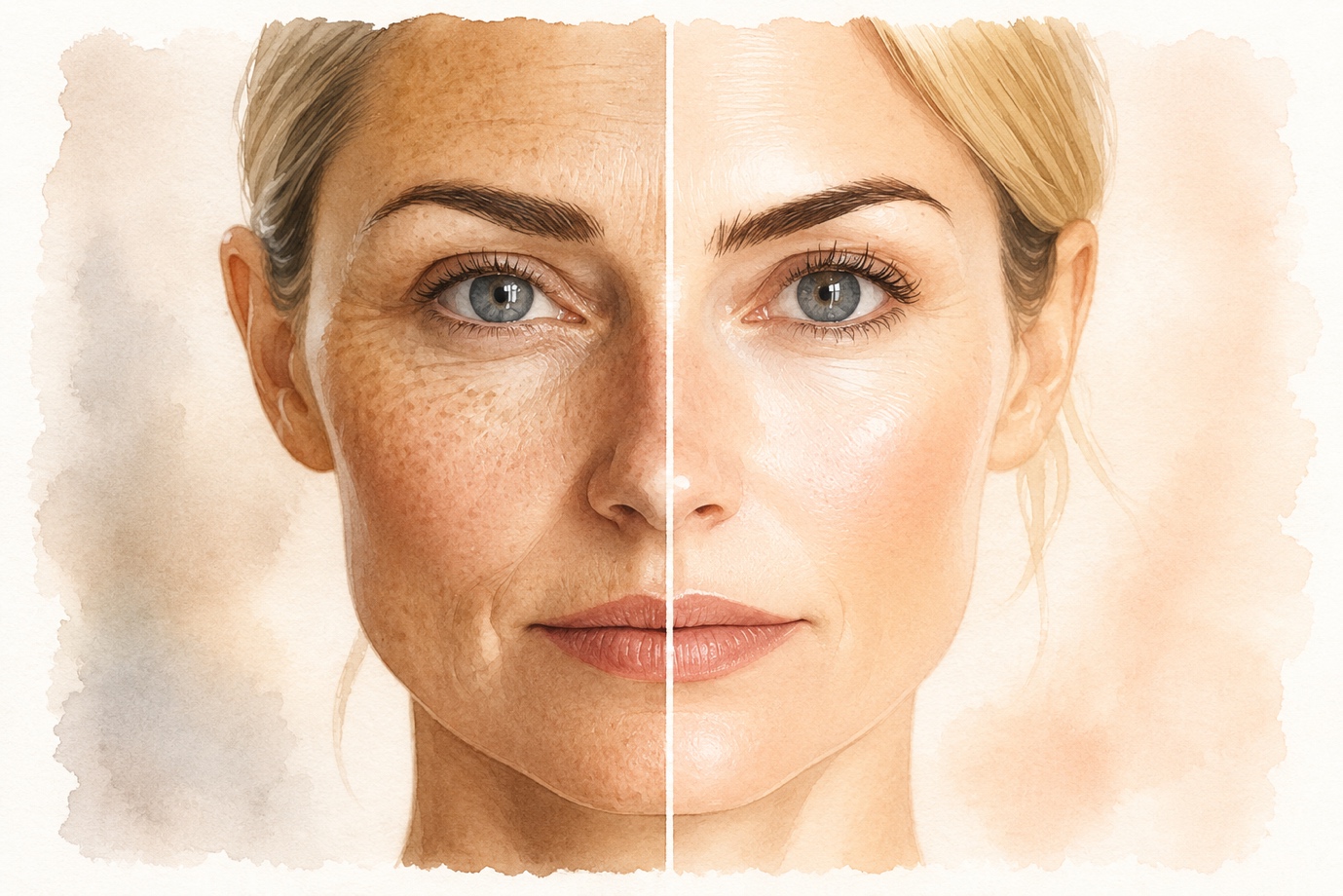
When we talk about skin quality, we are usually talking about a mixture of things:
- Texture – whether the skin feels smooth or rough, and whether there are fine lines, enlarged pores, active acne or acne scarring.
- Hydration and surface glow – whether the skin looks plump and reflects light evenly, or looks dull, dry and crepey.
- Elasticity and firmness – whether the skin springs back well or feels thin and lax.
- Pigment and redness – whether the colour of the skin is even, or broken up by sun spots, blotchiness, rosacea or post-inflammatory pigmentation.
- Thickness and resilience – whether the skin seems robust, or thin and fragile.
These things overlap. Dry skin often looks rougher. Sun-damaged skin often has pigment, fine lines and loss of elasticity at the same time. A person may think they have a “wrinkle problem” when in fact the bigger issue is that their skin has become thin, dehydrated and uneven in colour.
So before asking how to improve skin quality, it helps to ask what exactly about the skin is bothering you. Is it dryness? Brown spots? Fine lines? Redness? Crepey texture? Acne scarring? The answer matters because different problems respond to different treatments.
How does skin change with age?
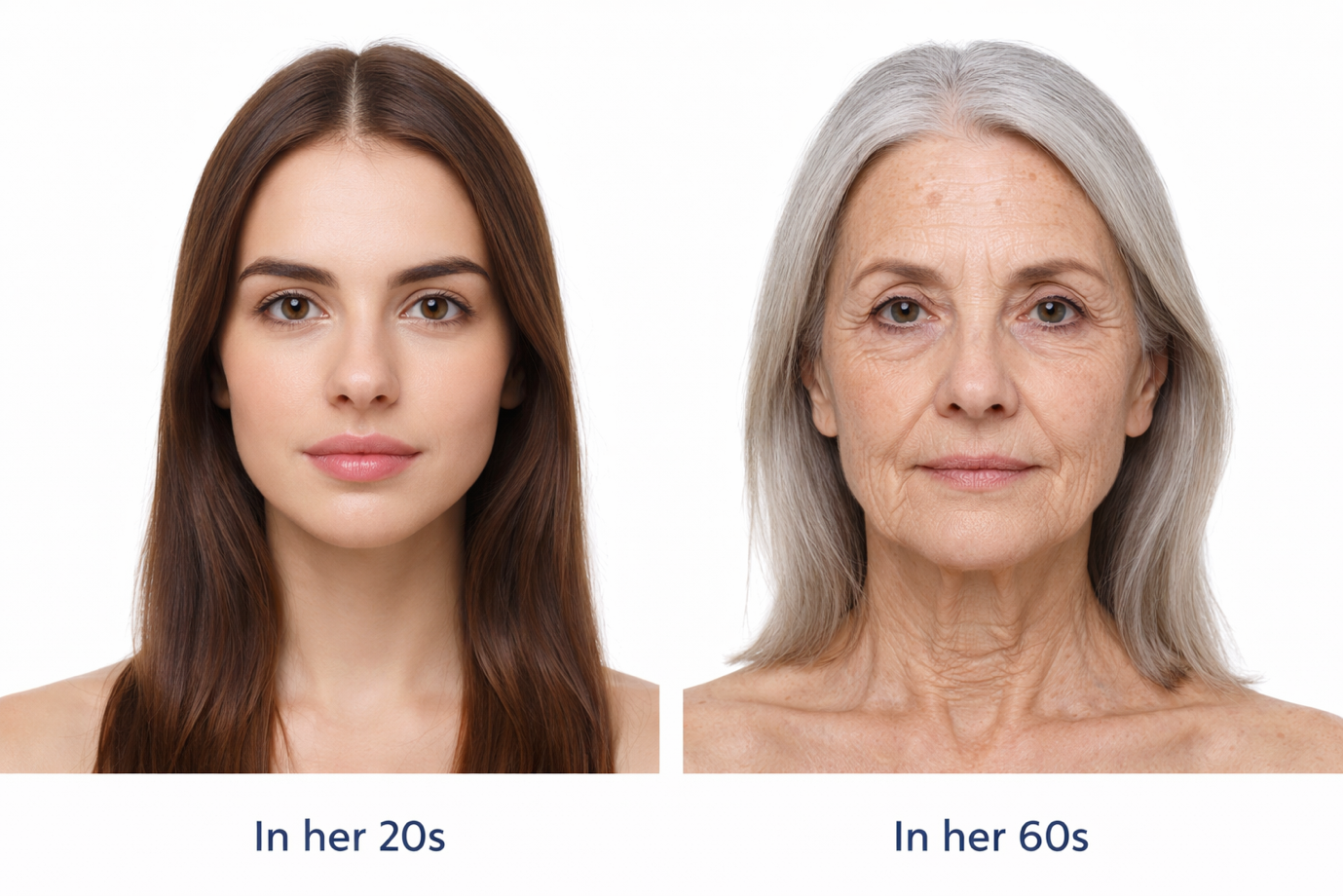
Skin quality changes with age for several reasons, and they do not all happen at once.
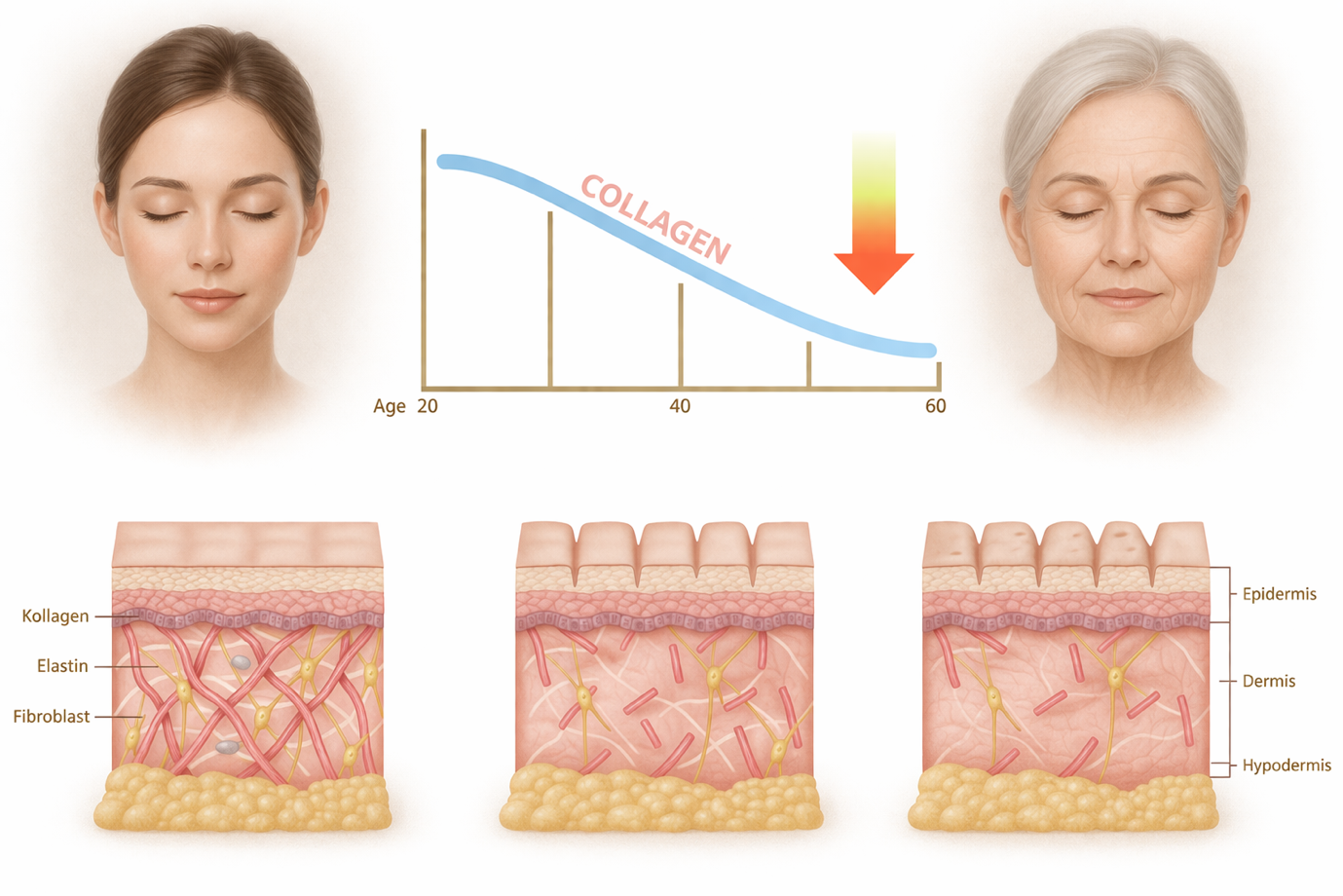
One change is that the skin gradually produces less collagen and elastin. Collagen gives skin strength and structure. Elastin helps it recoil after being stretched. Hyaluronic acid helps the skin bind water and stay hydrated. As collagen, elastin and the skin’s normal water-binding support decline, the skin becomes thinner, less springy and more prone to fine wrinkling. The outer skin barrier can also become less efficient, which means the skin may lose water more easily and become more sensitive to irritants.
Pigment often becomes less even with age as well. People notice freckles, sun spots, broken capillaries and a generally patchier complexion that was never there before. This is one of the reasons some people feel that their skin has “aged” even before they have many wrinkles. It is not always the wrinkles that make skin look older. Often it is the change in colour, texture and reflectivity.
Much of this is driven by years of ultraviolet exposure, with smoking adding further damage in some people.
From our mid-twenties, we all start to lose about 1% of the collagen content in our skin every year. That means that women, when menopause starts, have lost about a quarter of their skin collagen. Menopause has a major effect on collagen loss. Over the years around menopause, women can lose another quarter of their skin collagen. That explains why, around menopause, many women notice that the skin seems to change quite suddenly.
How much can skincare products do?
Skincare products can help, but they are not magic. They work best when the problem is one that lives in the skin itself rather than in the deeper structure of the face.
For example, skincare can improve:
- dryness and dehydration
- mild roughness
- some fine wrinkling
- uneven pigment
- acne and congestion
- mild redness in some people
- the overall smoothness and brightness of the skin
Skincare is much less effective when the problem is mainly one of sagging, hollowing, jowls, heavy eyelids or deep folds caused by changes in fat, ligaments and bone. A cream cannot replace lost cheek support, and it cannot tighten loose skin in the same way a surgical lift can. That does not mean skincare is pointless. It just means it needs to be used for the right job.
This is one reason I prefer simple routines built around a few useful ingredients rather than ten different products all trying to do the same thing. If a product is making the skin feel better, look calmer and tolerate treatment well, that is useful. If it is expensive, heavily marketed and impossible to tell apart from a basic moisturiser, I become more sceptical.
What creams actually work?
There are many skincare ingredients on the market, but only a smaller group have decent evidence behind them.
1. Sunscreen
If I had to pick one product that genuinely helps preserve skin quality, it would be sunscreen. Ultraviolet radiation contributes to pigment, collagen breakdown, elastin damage, redness, roughness and uneven texture. It also worsens many of the problems that people later try to fix with expensive treatments.
A good sunscreen will not reverse existing skin ageing, but it can slow further damage and help other treatments work better. In practice, that makes it one of the most important products in the whole routine.
2. Retinoids
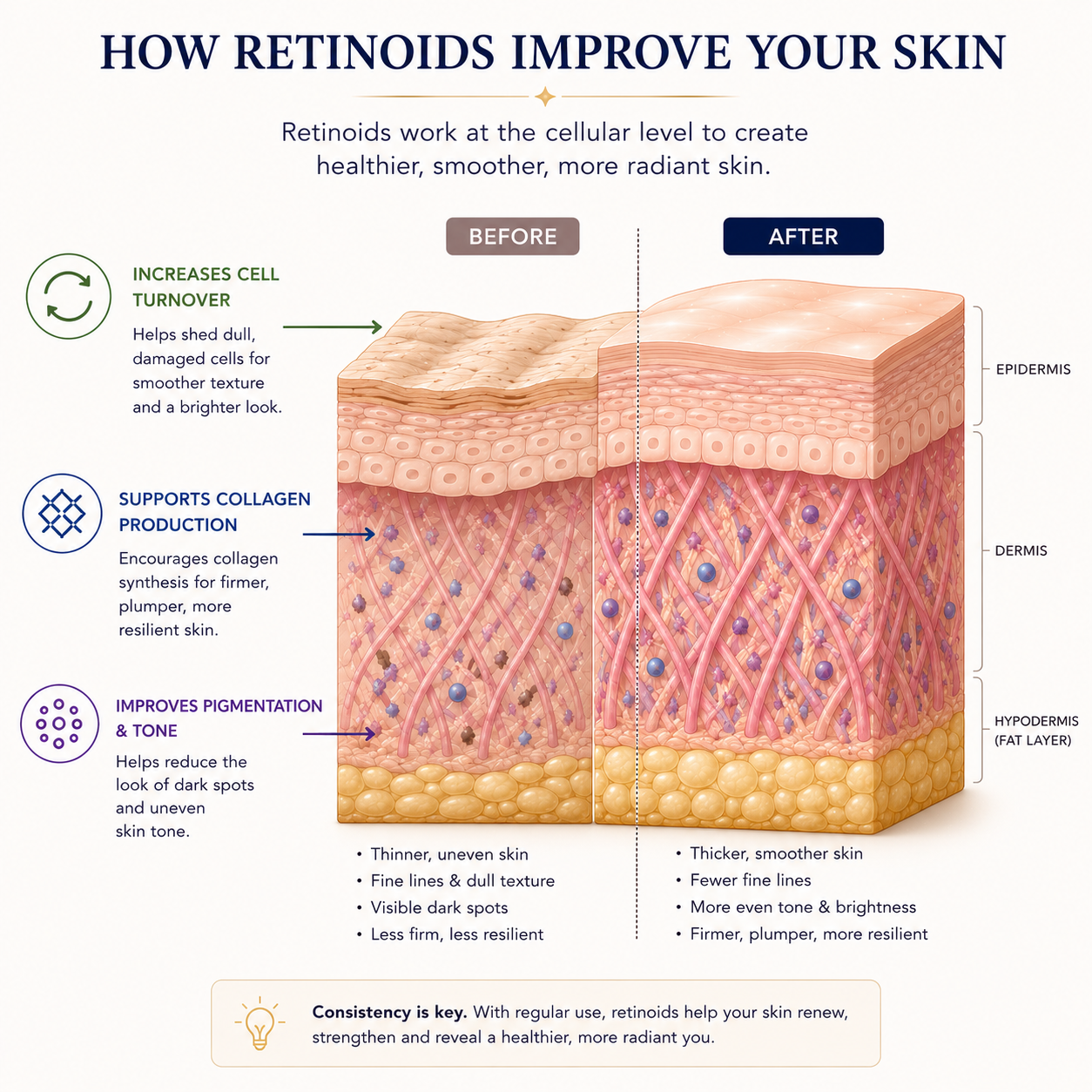
Medications in the retinoid family are among the best-studied topical ingredients in skin care. They can help improve fine lines, pigmentation, roughness and acne. Usually applied as a cream, they are readily absorbed into the skn. They cause an increase in collagen, elastin and hyaluronic acid production, resulting in firmer, more elastic and plumper skin. They also accelerate shedding of skin (e.g. from 4 weeks to 3 weeks) which makes skin colour more uniform, reduces pore size and improves avne. What's more they stimulate the formation of new blood vessels, which improves skin quality. They are one of the few categories of product where I think the evidence is genuinely solid.
Retinoids are also among the most effective topical treatments for acne because they help prevent pores becoming blocked in the first place. They work best when applied regularly to the whole acne-prone area rather than just individual pimples. They can be irritating when first introduced, so starting slowly and using a moisturiser alongside them often improves tolerance.
Retinoids can also irritate the skin, especially when started too aggressively. In my view, many people do better with a slower and more boring approach than the internet encourages. A smaller amount, used less often, is often more successful than charging in and giving yourself a retinoid dermatitis.
3. Moisturisers and barrier repair
Moisturiser is not glamorous, but it matters, especially as the skin gets older and drier. A good moisturiser can reduce water loss, improve comfort, support the skin barrier and make active ingredients easier to tolerate. It will not tighten the face or remove pigmentation, but it can make the skin look calmer, smoother and less crepey.
4. Niacinamide
Niacinamide is one of the ingredients I like because it tends to be well tolerated and can help with several problems at once. It may improve barrier function, reduce water loss, calm some redness, and help with uneven pigment. It is not dramatic, but it is a sensible ingredient for many people.
5. Ingredients for pigment and redness
Depending on the problem, ingredients such as azelaic acid, tranexamic acid and selected anti-inflammatory ingredients may also be useful. These are more targeted tools. They are not necessary for everyone, but they can be helpful in the right skin.
Depending on the problem, ingredients such as azelaic acid may also be useful. Azelaic acid is particularly interesting because it may help several skin concerns at once, including mild acne, post-inflammatory pigmentation and some forms of facial redness.
6. Vitamin C
Vitamin C cream sits somewhere in the middle for me. I do not think it belongs in the same evidence category as sunscreen or retinoids, but nor do I think it should be dismissed as nonsense.
In theory it is attractive because it acts as an antioxidant and may help with pigmentation and collagen support. In practice, vitamin C products vary enormously. The ingredient itself is unstable, formulations differ, and many products are expensive. Some are probably worthwhile. Some may not be doing much at all.
So I think of vitamin C as a potentially useful ingredient in the right formulation, rather than something that every person needs in a basic skin-care routine.
What lifestyle factors matter?
This is the unglamorous part of skin care, but it matters.
1. Sun exposure
Ultraviolet exposure is one of the main reasons skin quality worsens over time. It damages collagen, elastin and pigment regulation. It contributes to freckles, sun spots, redness, roughness and fine wrinkling. If someone is spending money on skin care and treatments but ignoring the sun, they are making life hard for themselves.
2. Smoking
Cigarette smoke accelerates skin ageing by increasing oxidative stress, impairing blood flow and damaging the supporting framework of the skin. It is associated with wrinkling, dullness and slower healing. If a patient asks me for the single best thing they can do for their skin other than sun protection, not smoking is near the top of the list.
3. Sleep, stress and general health
Poor sleep and stress do not create wrinkles overnight, but they can make skin look duller, more inflamed and less resilient. General health matters too. Nutrition, chronic illness, alcohol excess and major weight fluctuations can all affect the skin.
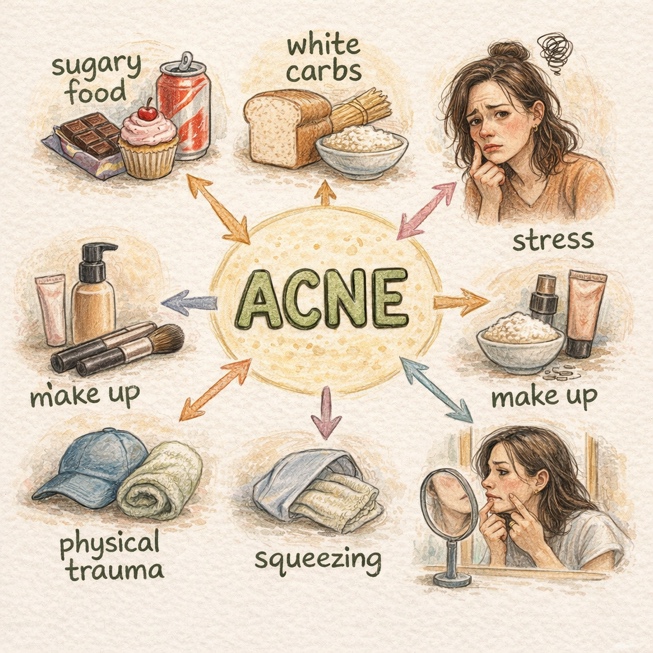
These factors also influence acne. Diets high in sugary foods and refined carbohydrates appear to increase breakouts in some people, probably through their effects on insulin and hormones. Emotional stress and poor sleep may also worsen acne, while heavy make-up, oily sunscreens and repeatedly squeezing pimples can contribute. Gentle cleansing is usually better than harsh scrubbing, which can irritate the skin and damage the skin barrier.
4. Weight loss and menopause
As I mentioned in the hollow-face article, weight loss can improve health while at the same time making the face look older. Menopause can also have a surprisingly large effect on skin quality because of changes in hydration, collagen and elasticity. Sometimes the skin concern that seems to arrive “all of a sudden” is really the result of several processes landing at once.
What about professional treatments?
This is where it becomes important to match the treatment to the problem. “Skin quality” is a broad term, and different in-clinic treatments are trying to solve different things. A good dermal therapist will be able to fine tune these types of skin treatments to your skin.
1. Skin needling and radiofrequency microneedling
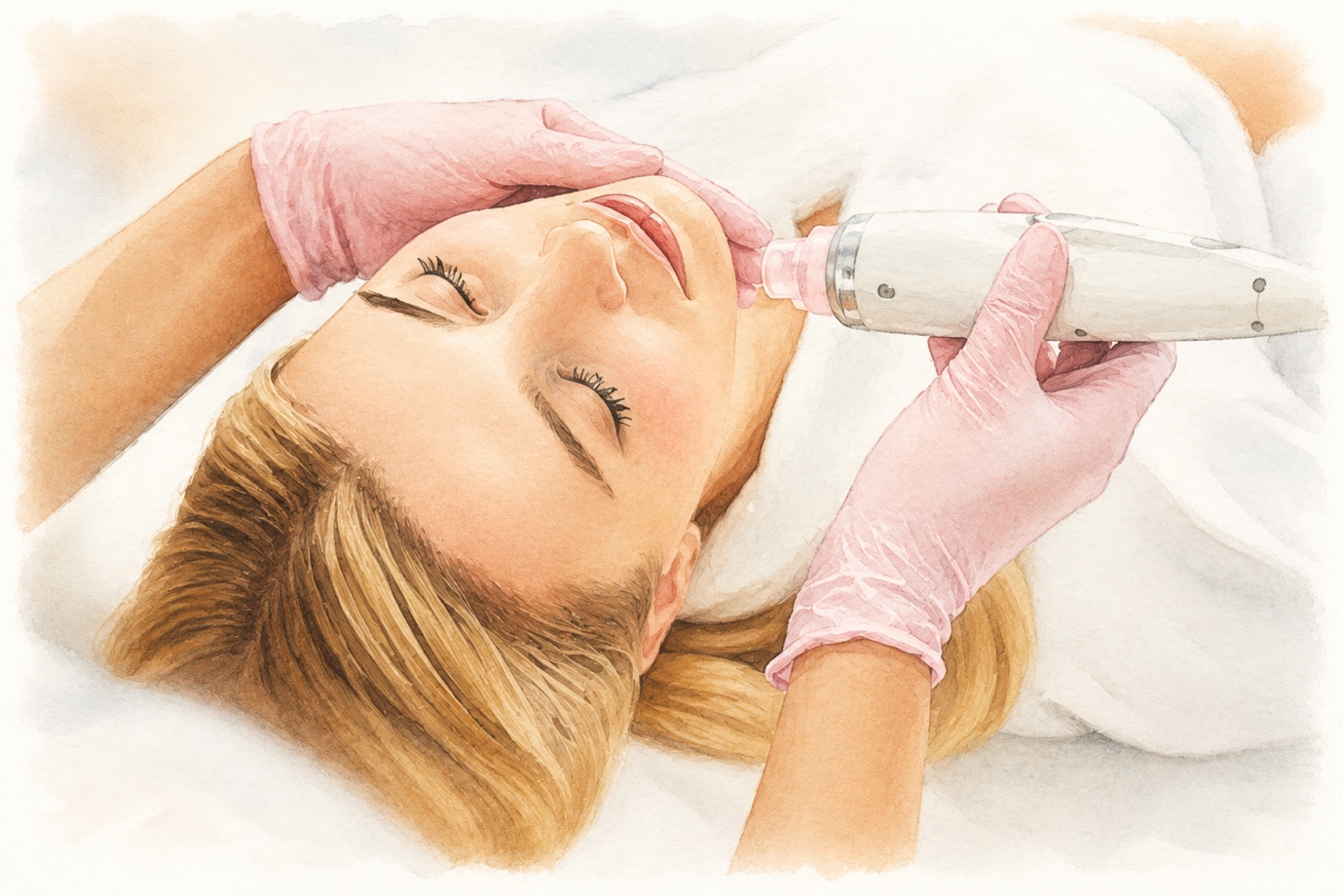
Skin needling aims to create controlled injury in the skin so that the skin repairs itself. It is often used for texture, acne scarring and mild skin quality improvement. Radiofrequency microneedling adds heat to the process, which may improve tightening and remodelling in selected patients.
It is important that active acne is reasonably controlled before treating acne scars, otherwise new scars may continue to form while older ones are being treated.
These treatments can be useful, but they are not interchangeable. A person with acne scarring, a person with crepey lower eyelid skin, and a person with diffuse redness do not necessarily need the same device, or the same settings on a device.
2. Chemical peels
Peels can help with pigment, roughness and dullness. Some are quite superficial and function more like a stronger exfoliation. Others are deeper and more aggressive. In the right patient, they can improve brightness and texture. In the wrong patient, or used too aggressively, they can irritate the skin and sometimes worsen pigmentation.
3. Lasers and light-based treatments
Lasers and other energy-based devices can be very effective for the right indication. Pigment, redness, broken capillaries, some textural problems and some types of sun damage can respond well to the right device. This is one of the reasons I think it is unhelpful to talk about “laser” as if it were one thing. Different devices do different jobs.
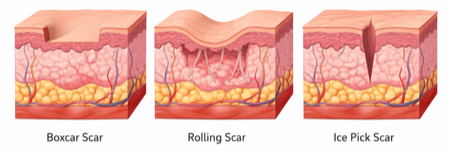
Some laser treatments can also improve acne scars, although the best device depends on the type of scar. Rolling, boxcar and ice-pick scars often need different approaches, and some patients benefit from combining treatments such as subcision, microneedling and laser.
If the main problem is redness and capillaries, I would be thinking differently than if the main problem is acne scarring or diffuse brown pigmentation. The key question is not “Do lasers work?” but “How good is the evidence for that specific laser for a specific problem?”
4. Biostimulatory and injectable skin treatments
This is the area where the marketing often becomes loudest. Treatments such as Rejuran, skin "boosters" and other injectable approaches are usually sold on the idea of improving hydration, elasticity and skin quality. Some probably do help, at least to a degree.
Rejuran is an in-clinic injectable treatment based on substances derived from salmon DNA. It is marketed as a way of improving skin quality.

My concern is not that these treatments are useless. It is that they are often described in language that outruns the evidence. If a patient understands that a treatment may offer modest improvement, has realistic expectations, and is choosing it for the right reason, that is one thing. If they are being sold the idea of “glass skin” or dramatic rejuvenation from a vaguely described injectable, that is another.
Questions like these are exactly why I think it helps to understand how medical evidence is judged in the first place.
Which skin treatments are probably overhyped?
This is the part of the article that matters most to me, because skin care is full of treatments that sound plausible and are marketed beautifully, even when the evidence behind them is weak.
Some treatments are probably harmless but overhyped. Some have weak evidence that gets presented as if it were strong. Some rely on before-and-after photos taken in flattering light rather than on proper trials. And some use words like "stem cells", "growth factor", "peptide", "100% purity", "clinically proven" or "medical grade" in ways that sound wonderful and scientific without actually telling you anything useful.
That does not mean every new treatment is nonsense. It does mean that when evidence is weak, I think patients deserve to know that.
1. Do peptides improve skin?
A "peptide" is a short section of a protein. Peptides (and proteins) are made of chains of amino acids. Amino acids are the building blocks of life. You can think of amino acids like the individual letters of an alphabet; when you combine them in different orders, they spell out every protein your body needs to build muscles, hair, skin, and organs.
In theory, some peptides could possibly increase the production of some proteins that are useful for skin quality. Proteins such as collagen and elastin. That sounds promising, but it does not mean that every cream or preparation with “peptide” on the label will actually result in more collagen or elastin, let alone produce a visible clinical result.
In my view, peptides in TOPICAL form belong firmly in the category of "plausible, but unproven and over-marketed". Some peptide-containing products may help a little, but I do not think the average peptide serum or cream belongs in the same scientific evidence category as sunscreen or retinoids.
I am even more cautious when INJECTABLE peptides are marketed for anti-ageing or “skin rejuvenation”, because the evidence there is even weaker and the regulatory situation can be murky.
2. Does oral collagen help skin?

Some studies suggest that ORAL collagen supplements may produce slight improvements in skin hydration or elasticity in some people. The problem is that many of the studies are very small, performed by the companies who make the collagen products, and use different products and doses, which makes the scientific evidence harder to interpret. So I would not call oral collagen nonsense, but nor would I present it as a cornerstone of skin care.
Oral collagen probably does no harm. So if someone enjoys taking it and can afford it, that is one thing. I would still put sunscreen, retinoids and sensible skin care ahead of it, because the evidence for oral collagen is nowhere near as strong.
_____________________________________
How can you tell if something will actually work?
This is a question I wish more patients asked.
After more than 30 years working in hospital and critical care settings, I have spent much of my career making clinical decisions in situations where the consequences of being wrong can be serious. In that environment, we do not usually make decisions because something sounds promising, looks impressive, or is being promoted by a company. We look for evidence.
The strongest evidence usually comes from properly conducted clinical trials. Ideally, that means taking a large group of people with the same problem and randomly assigning them to different treatments, or to treatment versus no treatment. The researchers decide in advance what outcome they are measuring, follow people for long enough to see what happens, and analyse the results honestly. When many good trials point in the same direction, they can be combined in a meta-analysis, which gives doctors even more confidence about whether a treatment is better than the current standard treatment.

Aesthetic medicine is not always able to produce evidence at that level. Skin quality is hard to measure. Lighting matters in photographs and can make results hard to be confident about. Skin changes over time anyway. People are using other products at home. Expectations are high so people may tend to overestimate positive results. But the principle is still the same: if a treatment really works, it should be able to outperform a fair comparison when tested properly.
This is where a lot of marketing language starts to irritate me. Terms such as “clinically proven”, “dermatologist tested”, “medical grade”, “high purity” and “scientifically formulated” often sound impressive, but they may mean very little. “Clinically proven” does not tell you what the product was compared with, how many people were studied, what outcome was measured, or whether the trial was any good. “Dermatologist tested” may simply mean that a dermatologist was somewhere in the room when the product was used. “High purity” may tell you something about the manufacturing process, but not whether the treatment actually works.
So I try to ask the same boring questions I have asked throughout my medical career. What exactly is in it? What problem is it supposed to help? What is the best evidence for that claim? Was it compared with something fair? Is the improvement obvious, modest, or mostly theoretical? Who funded the study? And does the marketing language match the actual evidence?
If a treatment survives those questions, I am much more interested.
_____________________________________
F.A.Q.
1. What type of sun radiation causes skin ageing most?
In my mind, the "A" in UVA means "Ageing" and the "B" in UVB means "Burning". That's because UVA quietly penetrates deep into the skin every day, causing almost all of the damage to collagen and elastin, and therefore skin ageing effects. UVB causes only a small amount of ageing, but it does cause most of the sunburn. Both UVA and UVB contribute to skin cancer, with UVA linked to melanoma and UVB linked to other skin cancers.
2. If the sun doesn't hit your skin directly, can you still get UVA radiation?
Yes. Ordinary glass (car side windows, windows in buildings) lets about 90% of the UVA through, and snow reflects about 90% of the UVA that hits it too. Water, beach sand, buildings and floors reflect about 10-20% of the UVA that hits them. Beach umbrellas, and other shade cloths allow some UVA through their small gaps too. This is why it's so important to apply sunscreen to your exposed skin, even if you won't be in direct sunlight.
3. Does basic skincare improve acne?
Yes, although it depends on the type and severity of acne. Gentle cleansing, avoiding pore-blocking products and using ingredients such as retinoids, benzoyl peroxide, salicylic acid or azelaic acid may help mild acne. More severe acne often requires prescription treatment. One reason to treat acne promptly is to reduce the chance of permanent scarring.
4. Is more expensive skincare better?
Not necessarily. Some expensive products are excellent. Some are mostly packaging and advertising. Price is not a reliable guide to whether a product works. For example, a product containing spring water from France is not necessarily more ‘pure’ or better for your skin than ordinary water. I would rather recommend a few sensible, evidence-based products used consistently than a complicated routine that costs a fortune and is hard to understand.
5. What's a simple skincare routine?
Morning – for many people, a simple routine is enough: cleanse if needed, then use a niacinamide serum or light moisturiser if helpful, and finish with sunscreen.
Night – cleanse first, then apply a retinoid if you are using one. If your skin becomes too dry or irritated, moisturiser before and/or after the retinoid can make it easier to tolerate.
6. If I can only do one thing for my skin, what should it be?
Use sunscreen consistently. It is not exciting, but it is one of the most effective ways to protect skin quality over time.

My final word
If there is one theme running through this article, it is that skin care should be a little more boring than the industry wants it to be. Good skin usually comes from consistency, patience, and a healthy scepticism about grand claims. That may be less glamorous than buying the latest “clinically proven” miracle serum, but it is usually a safer way to spend your time and money.