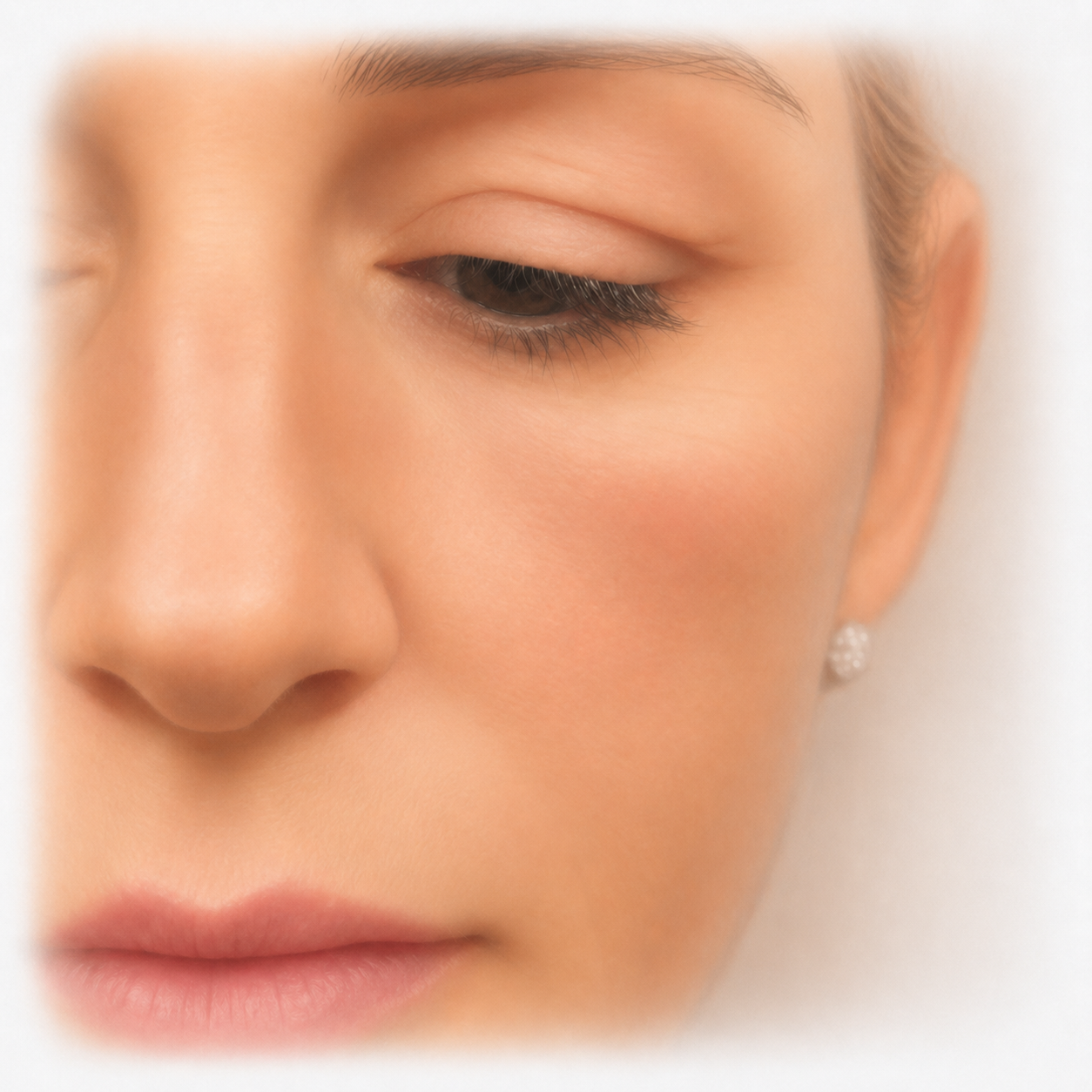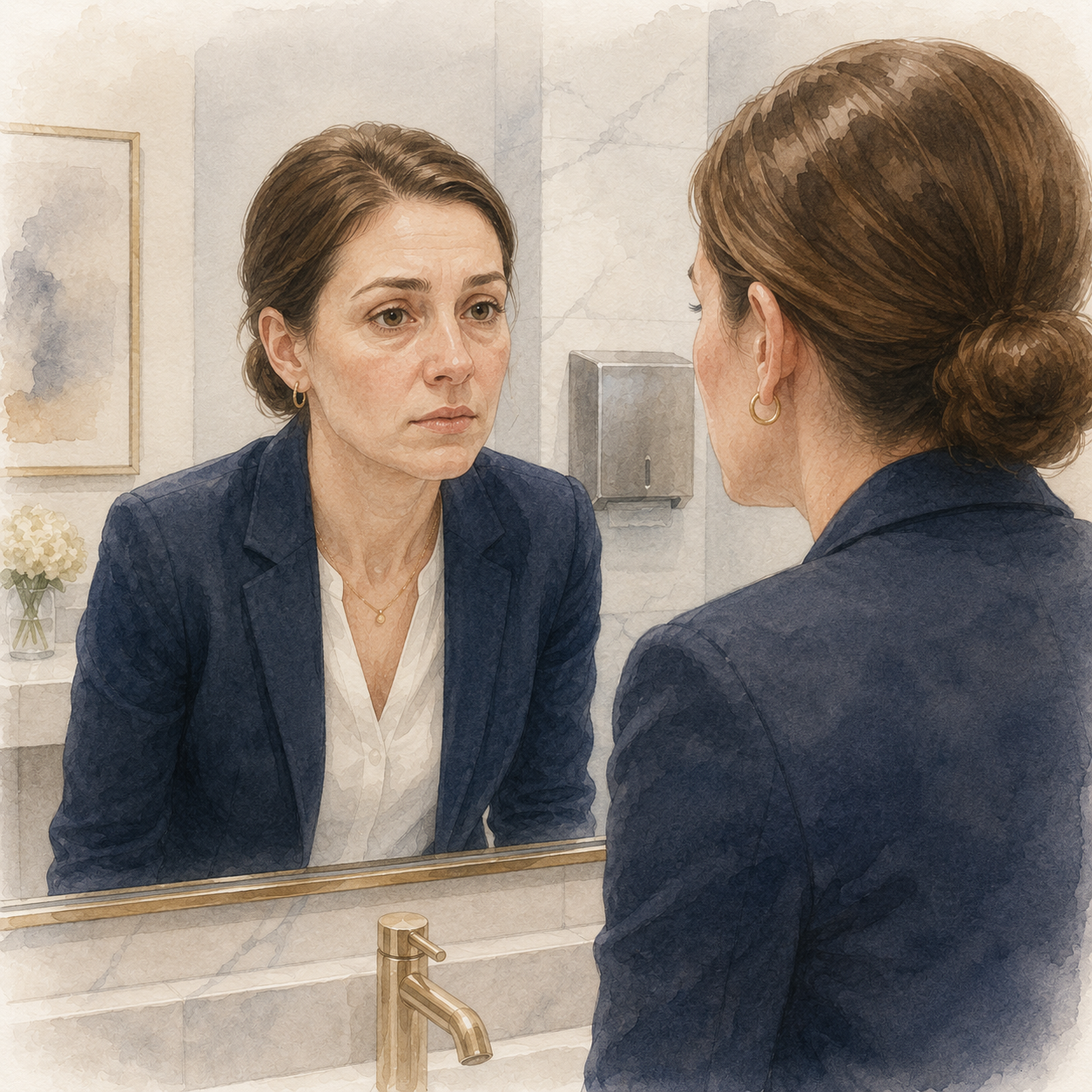
As we get older it is normal for our jawline and lower face to gradually undergo a predictable series of changes over the decades.
In the elderly these changes are often quite marked and by that time they become impossible to reverse without surgery.
So when we first see jowls forming, a loss of definition of the jawline, or the formation of folds between the nose and the mouth, it's no wonder that we are often filled with dread, knowing that these processes have started.
What are jowls?
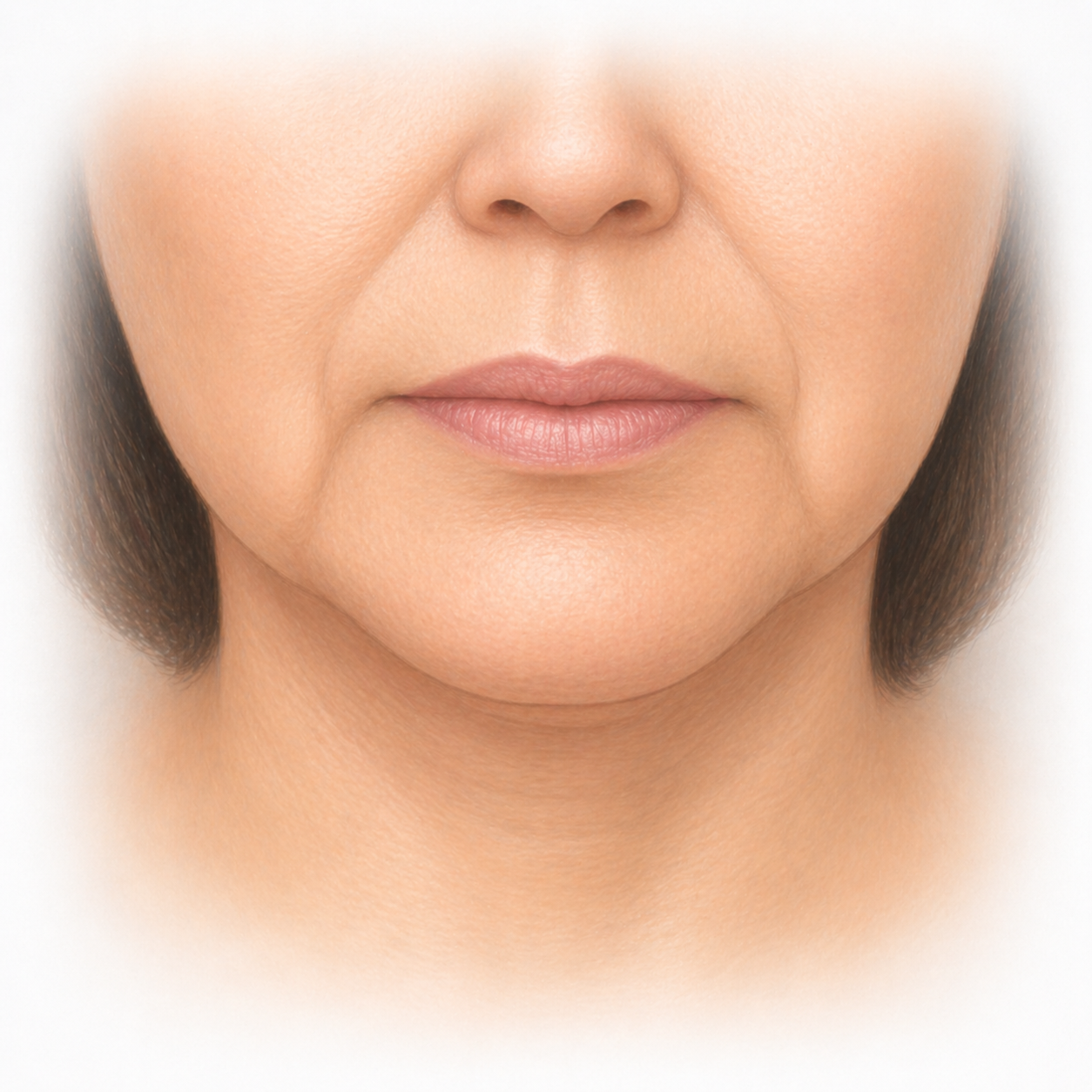
Jowls are the folds of sagging skin and soft tissue that droop below the jawline. Their formation causes the loss of a crisp, well-defined jawline, and a softer or heavier look in the lower face.
What are nasolabial folds?
Nasolabial folds are the folds of sagging skin that run from the sides of the nose to the area to the side of the corners of the mouth.
Why does sagging happen?
1. Gravity
Every moment of our lives that we aren’t lying down, gravity is pulling our cheeks downwards. When we are young, our skin is firm and tight, and it is able to hold back what’s under it. When we age, that isn’t the case anymore. But it’s just one part of the process.
2. Loss of collagen, elastin and hyaluronic acid
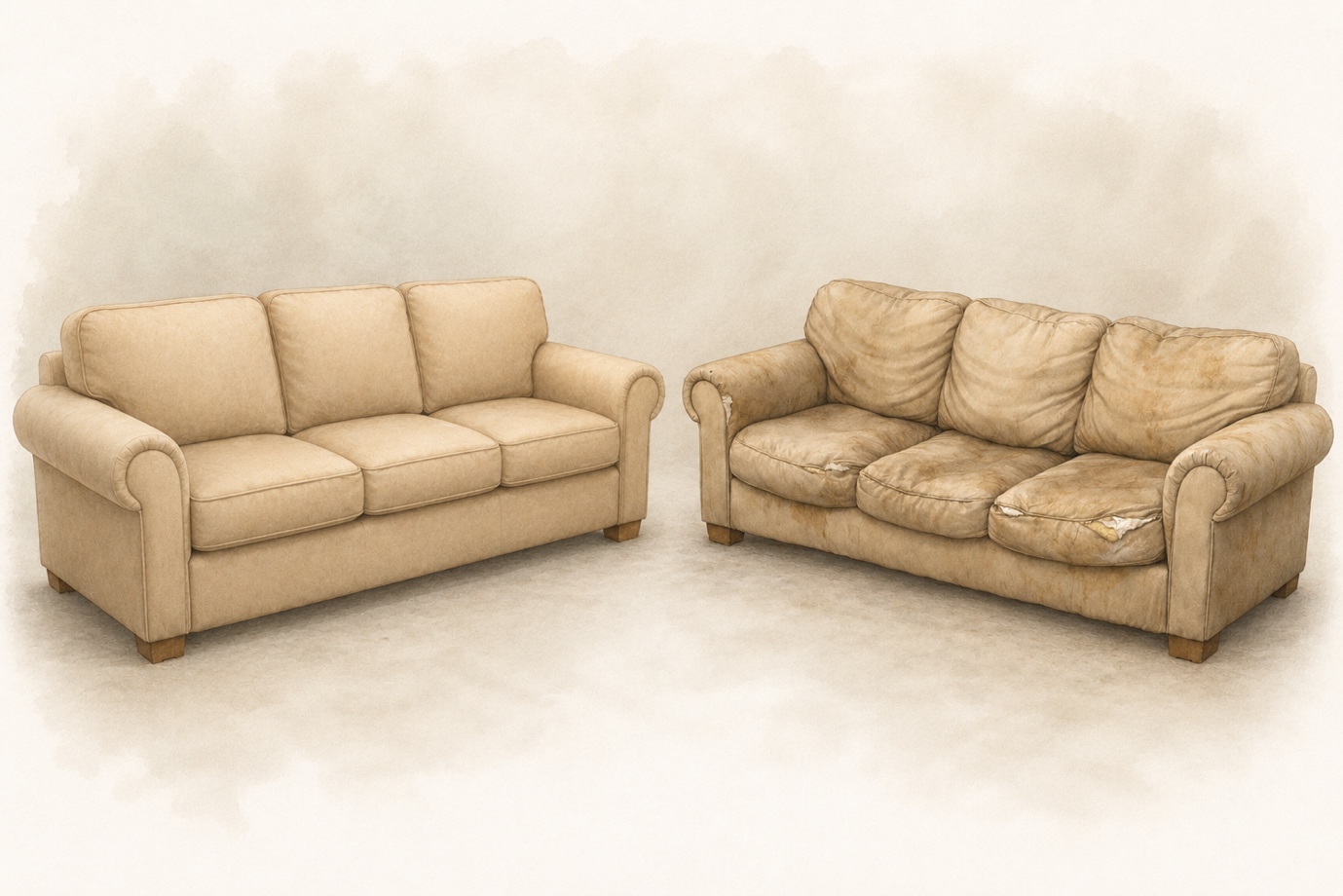
I like to think of skin as being a little like a sofa. Collagen provides the framework that gives it shape. Elastin is like the springs that makes the cushions bounce back. Hyaluronic acid is the filling in the cushions keeping the cushions plump. As we age, our skin loses these precious things.
From our mid-twenties onwards, the levels of all three gradually decline. The skin becomes thinner, less elastic and less able to resist gravity.
So we know that gravity is pulling down on the tissues of our face, and as we get older our skin is less able to hold it back. But why do these two folds of skin form where they do? Time for another mini anatomy lesson.
3. Mobile tissue and fixed tissue
Where the jowl forms, the mobile tissue of the cheek has moved down and over the jaw bone, causing a slight bulge that extends just below the bone. The front edge of this bulge forms at the boundary between the mobile tissue of the newly formed jowl and the tissue over the chin, which is much more fixed to the bone underneath.
For the nasolabial fold, the process is similar. The tissue of the cheek above the fold is mobile while the tissue of the upper lip below it, is less so. As gravity pulls down on the tissue above it “spills” over the tissue below.
4. Shrinking bones
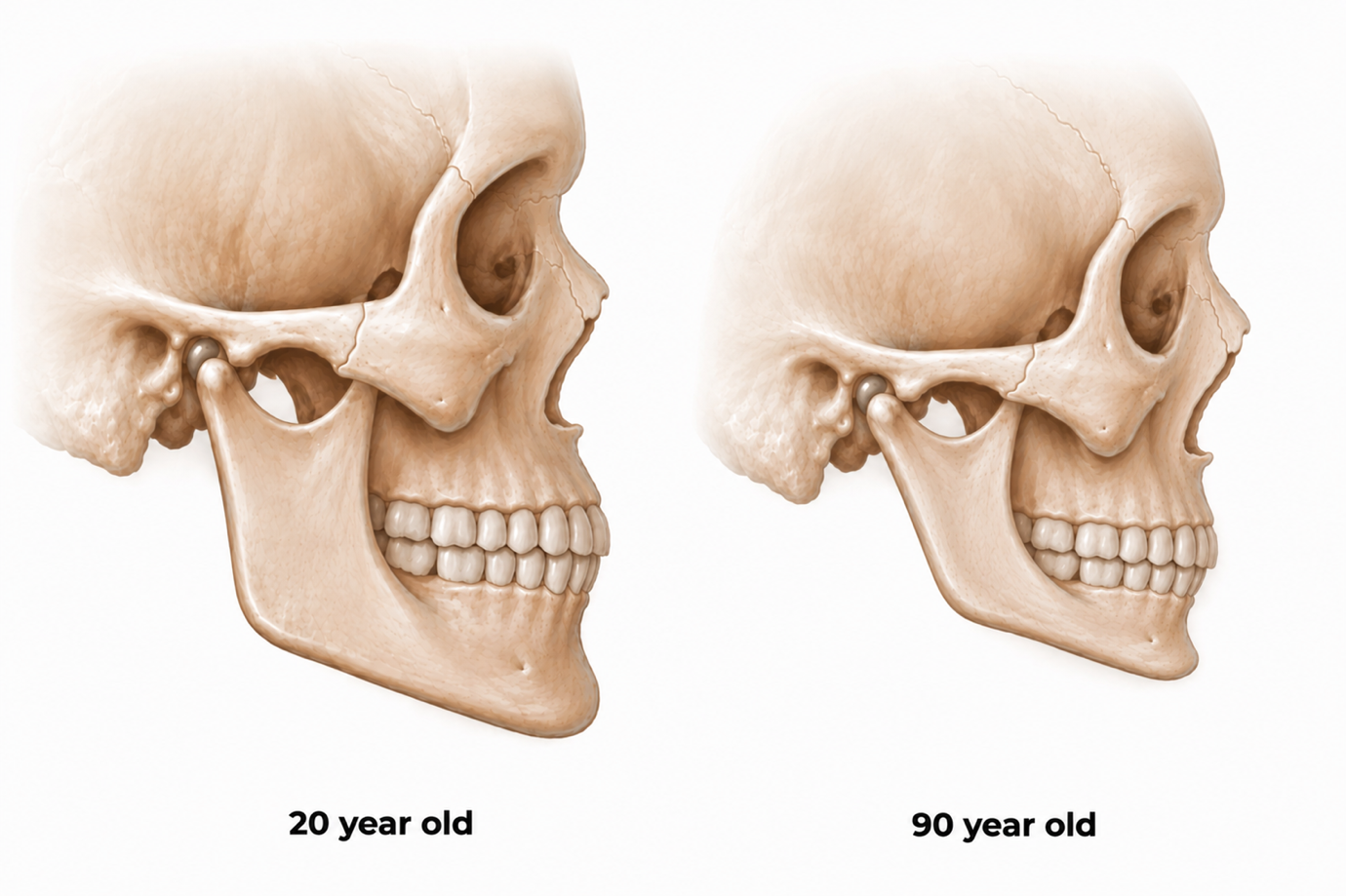
Parts of the skeleton of the face slightly shrink inwards with age.
In relation to the jawline, the chin shrinks in, as does the angle of the jaw at the back of the jawline. These changes mean that the tissues over the top of the bone are not being stretched and supported as much at either end.
The tissues are a bit like a sheet hanging on a tight clothesline supported by two poles – if the poles start bending inwards, the clothesline and sheet sags under gravity. This makes jowling worse.
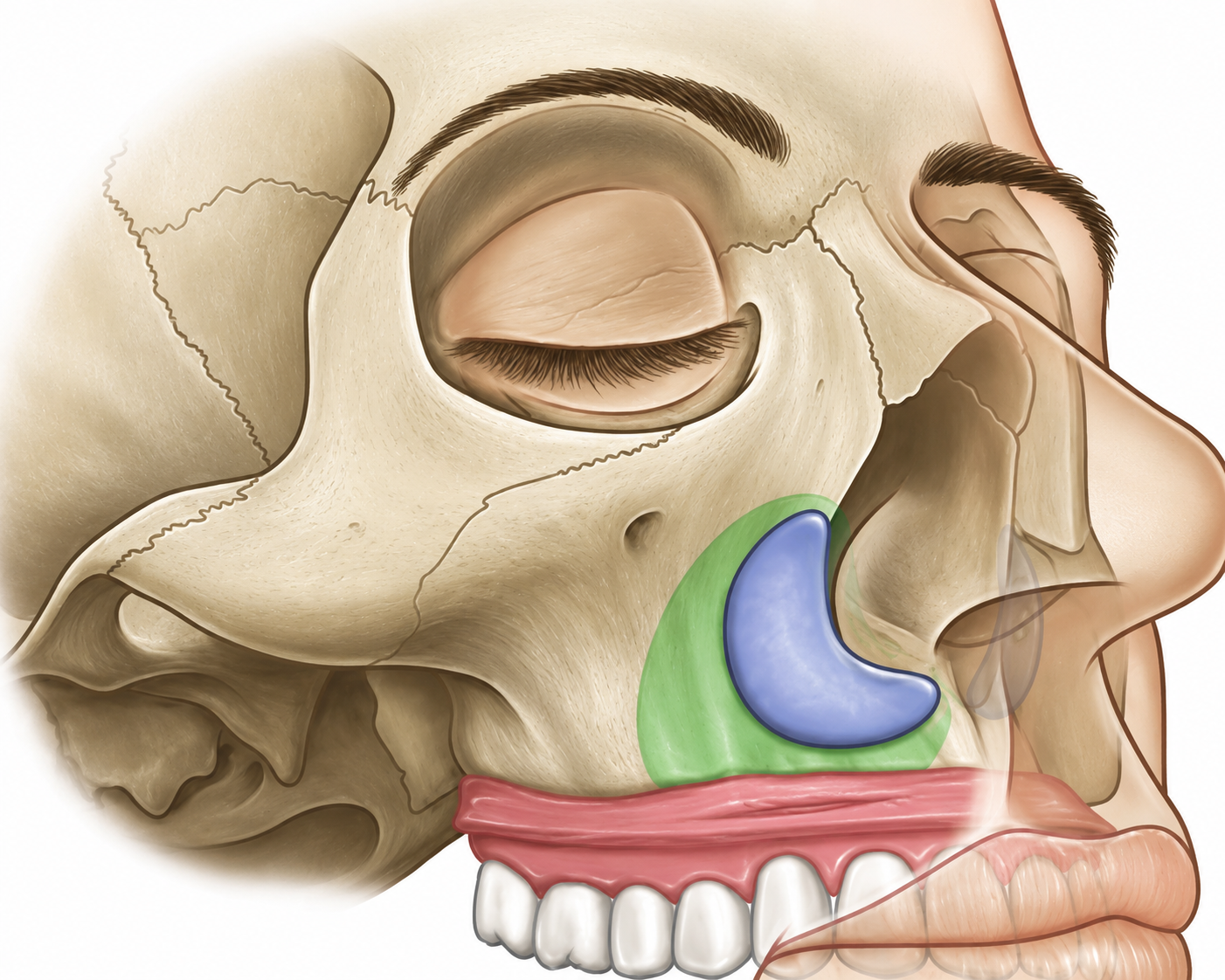
In relation to the nasolabial fold, the bone just to the side of the nose shrinks backward a little with age. This is the blue area in the below diagram. This allows a nasolabial fold to be more prominent.
Put these factors together – gravity, ageing loose skin, mobile tissue adjacent to fixed tissue, and shrinking bones – and you can see how jowls nasolabial folds form where they do.
_______________________________
An interesting theory
During our evolution, it was undoubtedly very beneficial for our survival as a species for us to communicate very well with each other. We ended up doing this better than any other species on Earth.
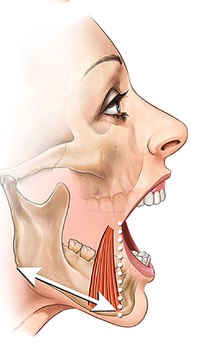
Part of how we did this was by having a relatively small mouth controlled precisely by many small muscles attached to the lips. But having a small mouth would usually mean also not being able to open our jaws widely to eat large items (this is before cutlery!).
By having cheek tissues NOT attached to the middle section of the jaw bone, early humans with their small mouths could still open their jaws widely - by having the jawbone slide under the cheek tissues.
Look in the mirror and you’ll see this happening in yourself. So you could say that jowls are the price we pay for being able to talk so well!
_______________________________
Can jowls and nasolabial folds be prevented?
These are things that we can’t stop completely because we all have the same anatomy, and we undergo the same changes to our skin and bones with age. But there are some things that can slow them.
1. Sunscreen
Taking steps to reduce the rate of collagen, elastin and hyaluronic acid breakdown in the skin can help the skin to hold back the tissues better. The primary cause of breakdown is exposure to the sun’s UV radiation. Avoiding the sun and wearing a good sunscreen every day is a cheap and easy way to slow the process.
2. Retinoid cream
Retinoids are medications that stimulate collagen production and may help improve the organisation and function of elastin fibres within ageing skin. Retinoids have other beneficial effects. See my article: "How Can I Improve My Skin Quality" for more info on this family of medications.
3. Don’t smoke
Smoking accelerates collagen, elastin and hyaluronic acid breakdown. It is associated with earlier skin ageing. Vaping is thought to do the same, as nicotine and chemical toxins found in e-cigarettes do the same damage as tobacco cigarettes do.
Can jowls and nasolabial folds be fixed?
We know that these skin folds form because of a combination of skin ageing, gravity, and shrinking of bone. Contracting some of our neck muscles further softens the jawline. Some of these factors can be improved with treatment.
1. Skin tightening
Several treatments provided by dermal therapists can tighten skin. They all work by heating the skin to stimulate collagen and elastin production. Examples include microneedling (with or without radiofrequency), laser treatment and ultrasound treatment. See my article on improving skin quality, which explains how each works.
2. Restoring support
The age-related changes that occur in the bones that I have described above can be addressed by replacement of this support.
A competent cosmetic practitioner needs to fully understand the anatomy of the bones, and be familiar with the exact paths of arteries that pass near the areas of treatment as damage to the arteries can result in permanent damage to the tissues of the area.
Importantly the cosmetic practitioner needs to know how to avoid worsening nasolabial folds and jowls by only treating certain areas and not others.
F.A.Q.
1. Does losing weight improve jowls?
Losing weight can help reduce jowls if they are primarily caused by excess fat. However, it can also worsen their appearance. Because jowls are often caused by a combination of loose skin, displaced fat, and genetics, weight loss can sometimes leave you with sagging, empty skin rather than a tight jawline.
2. What are "marionette lines"?
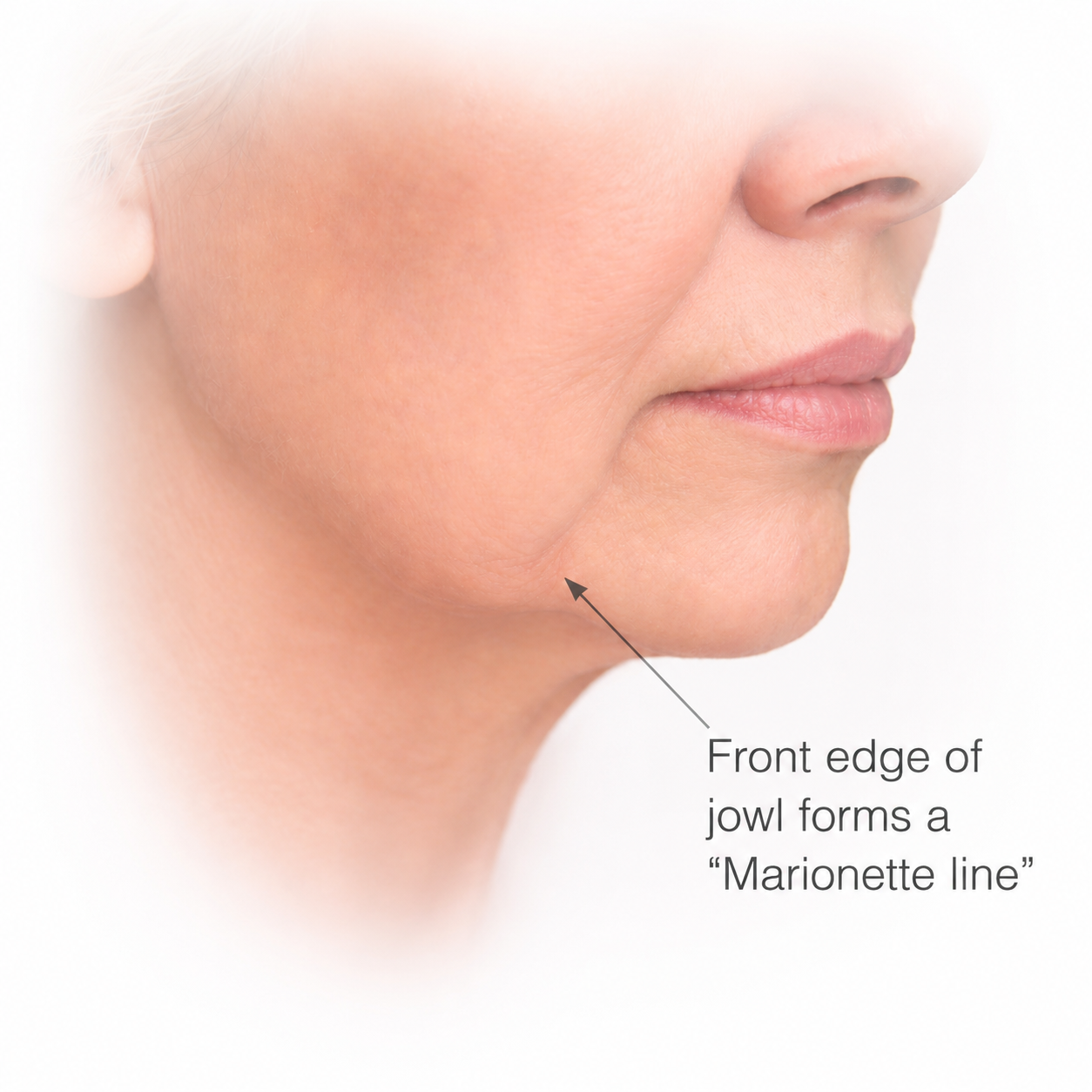
These are the vertical folds of skin at the front of the jowl on each side. They form because the skin and tissues over the chin are held down to the bone of the chin, while those of the cheek are not, as we have learned.
This results in the cheek tissues spilling over the chin tissues forming a vertical skin fold. It’s called a marionette line because marionette puppets and ventriloquist’s dummies are traditionally made with a moveable chin piece to make them look like they are the ones talking.
3. Can liposuction get rid of jowls?
Liposuction can sculpt the jawline by removing localised fat deposits under the chin and front part of the mandible. But if jowls are mainly caused by loose, sagging skin, removing fat can actually make the sagging worse.
4. Do muscles affect jowls?
Not directly, but they can make the jawline look even less sharp, adding to the effect of jowls. There is a thin sheet of muscle called the platysma, that wraps up the front and sides of our neck and over our jaw bone area.
Contracting the platysma muscle can further soften the jawline. Treatments therefore aim to address these contributing factors. For more about this rarely talked about muscle, see my article: "What's Happening To My Neck?"
5. Can sleeping on your side affect sagging?
Yes it can. It puts mechanical stress on your skin and underlying soft tissues. Over time, this compression can stretch the skin, soften the fat pads in your cheeks, and cause more pronounced jowls and nasolabial folds. If you sleep more on one side (and most people do) this can cause facial asymmetry.