Our lips do many things. We eat and drink with them. We use them to talk and show our emotions. We even breathe through them when we need to.
None of these functions have much to do with beauty though, so why are lips so important in aesthetics, particularly for women?
I think it is because the appearance of the lips gives away the age and health of a person.
And particularly for women, features associated with youth and health are seen as attractive.
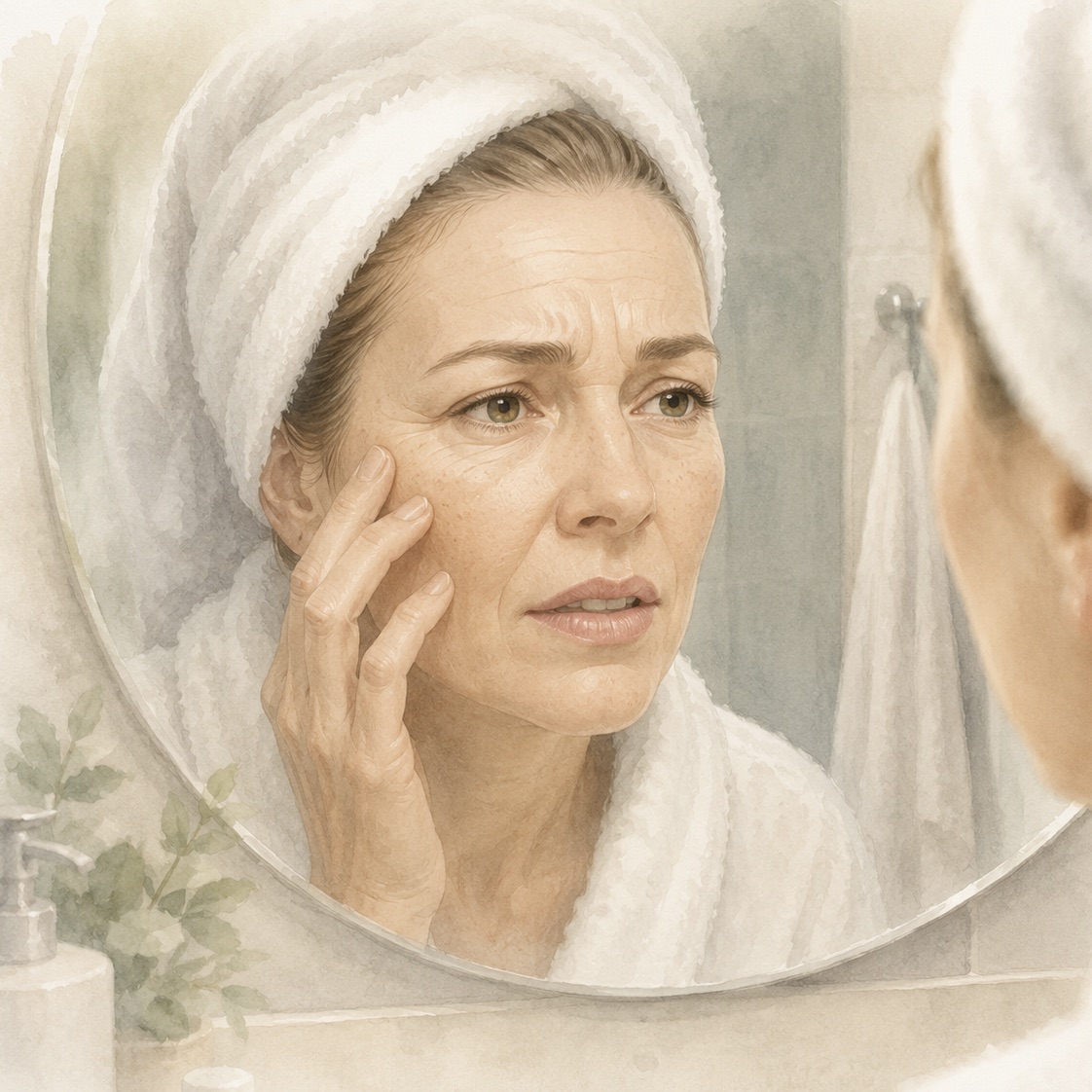
When patients say to me that they would like their lips improved, most of the time they point out a few features of ageing lips that they dislike, and then immediately follow that by saying that they don’t want a treatment that makes their lips look unnatural. - just a slight improvement.
This article explores the changes that happen to lips with age, and my individualised approach to treatment.
To get a great, natural result I think it’s important for the patient to also understand a little about the various features of the lips and how they change over time.
What are the parts of the lips?
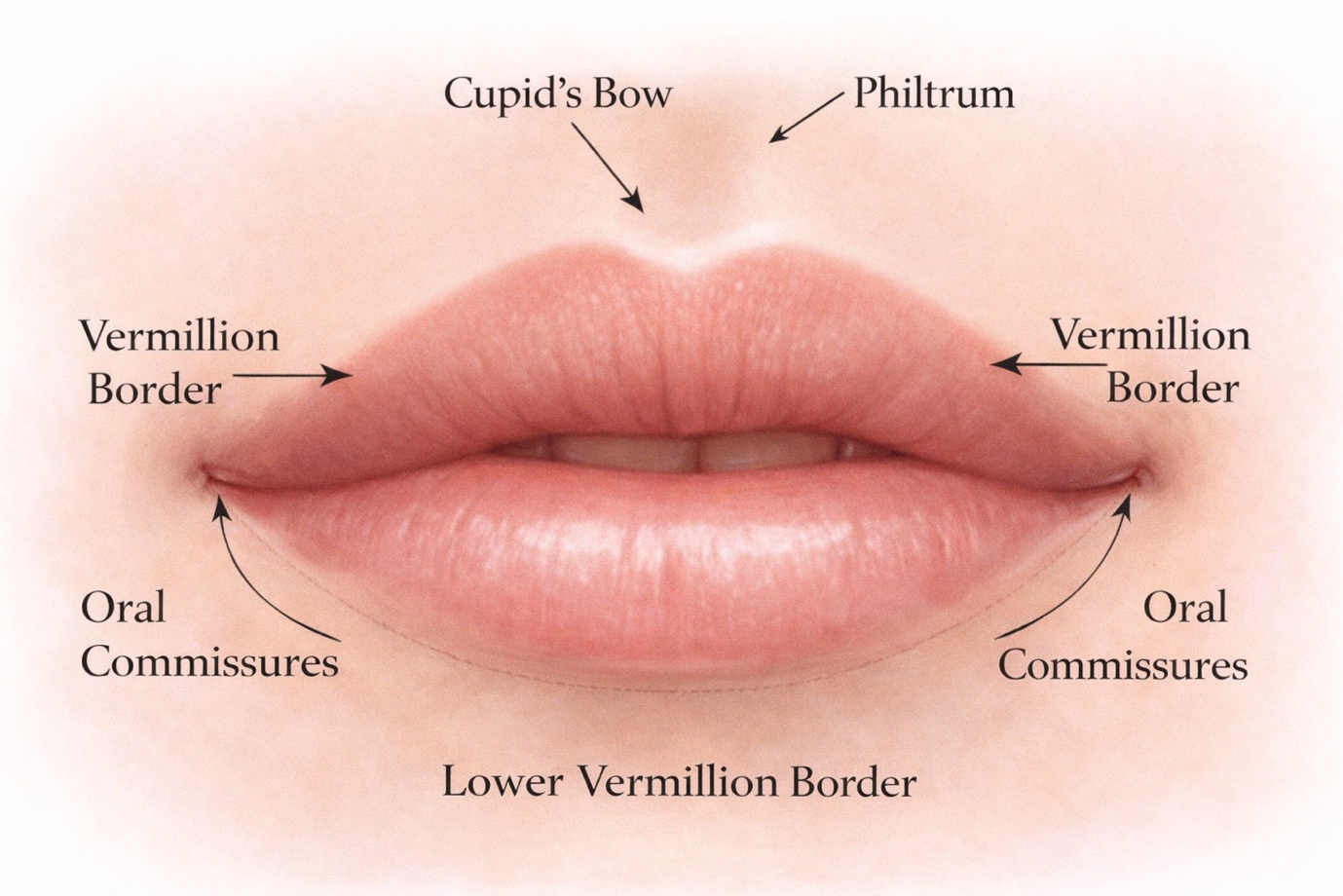
Looking from the front at the edges of the upper lip, you’ll see it has two peaks. These form the “Cupid's Bow”. Running upward from these towards the nostrils are two ridges called the “philtral columns”, with a small valley between them called the “philtrum”.
At the edge the pink colour of the lips changes to the colour of the surrounding skin – this is called the “vermillion border”.
Just outside the vermillion border is a thin and slightly pale ridge called the “white roll”.
Within the red “body” of the lips there are several subtle bulges, called “tubercles” – 2 larger ones on the lower lip, 3 smaller ones on the upper.
To the sides of these, the lips become thinner, until they join at the “oral commissures”.
In most people of European descent, the height of the upper lip is about 2/3 that of the lower lip. In people of some other ethnicities the upper and lower lips are roughly the same height. More on this in the FAQ section.
When viewed from the side, our upper lip usually sits slightly more forward of the lower lip. This is due to the fact that our upper teeth sit slightly more forward of the lower teeth.
Lip skin is special
Lips have no hair, no sweat glands, and no sebaceous (oil) glands. They therefore rely on us licking them (or lip balm / lipstick) to keep them from drying out.
Lips also have very little melanin, the substance that gives our skin, hair and eyes its colour. And the melanin it does have is pink instead of skin colour.
But this isn’t the main reason why lips have a pink colour. It’s because the skin is so thin that you see the blood in the tissues underneath. At only 0.2mm thick, the skin of the lips is 10 times thinner than the skin of the nearby cheeks.
Being so thin and with no glands, lips are very prone to drying out, wrinkling and cracking.
What's under lip skin?
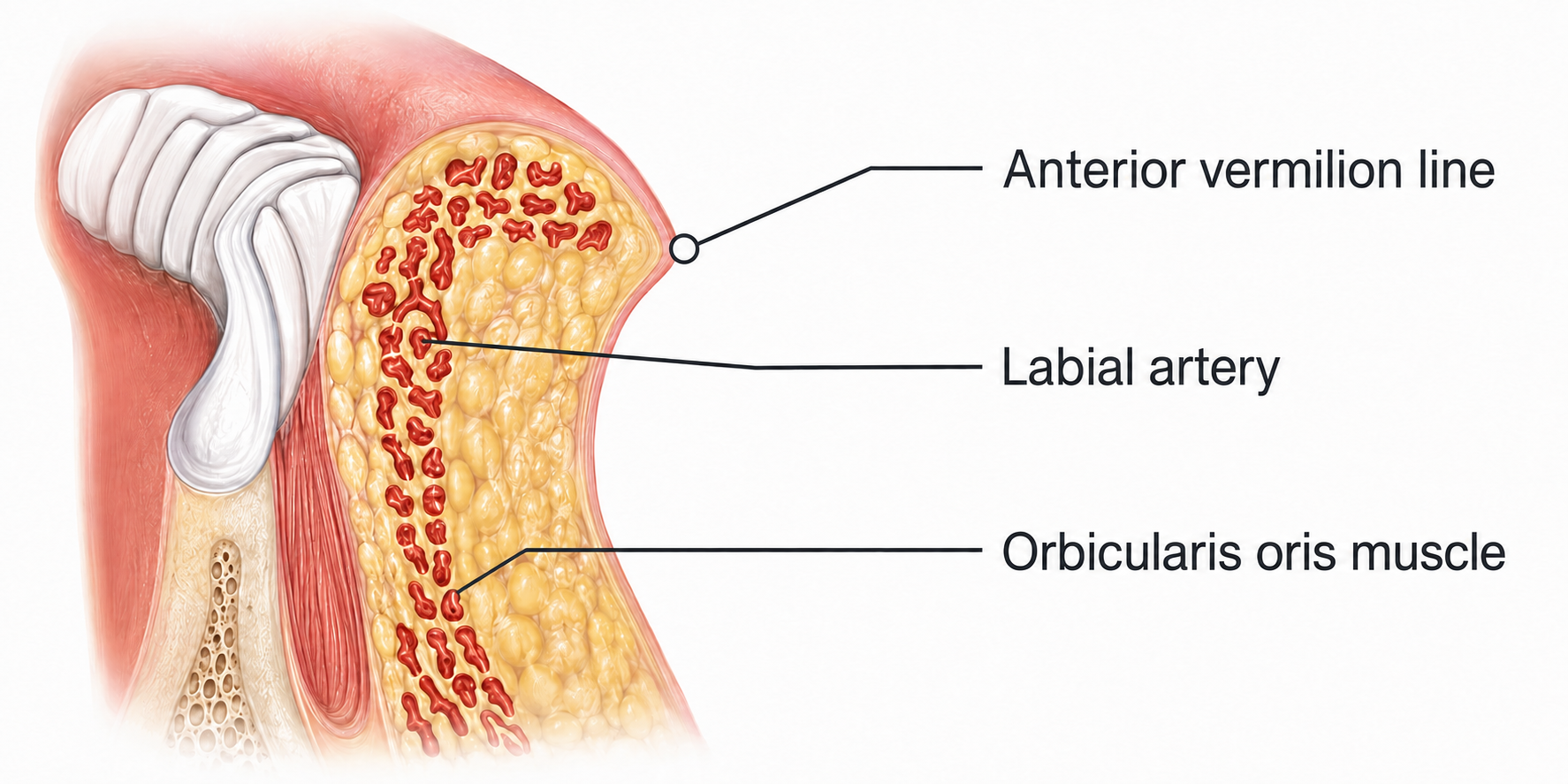
Under the surface, lips have all the usual features that we find elsewhere on the face. Under the skin, there is a thin layer of fat, and under that is muscle. Because the lip has an inner surface as well, behind the muscle is more fat and then more skin – the wet "mucosa" surface on the inside of the mouth. And behind all that are the teeth.
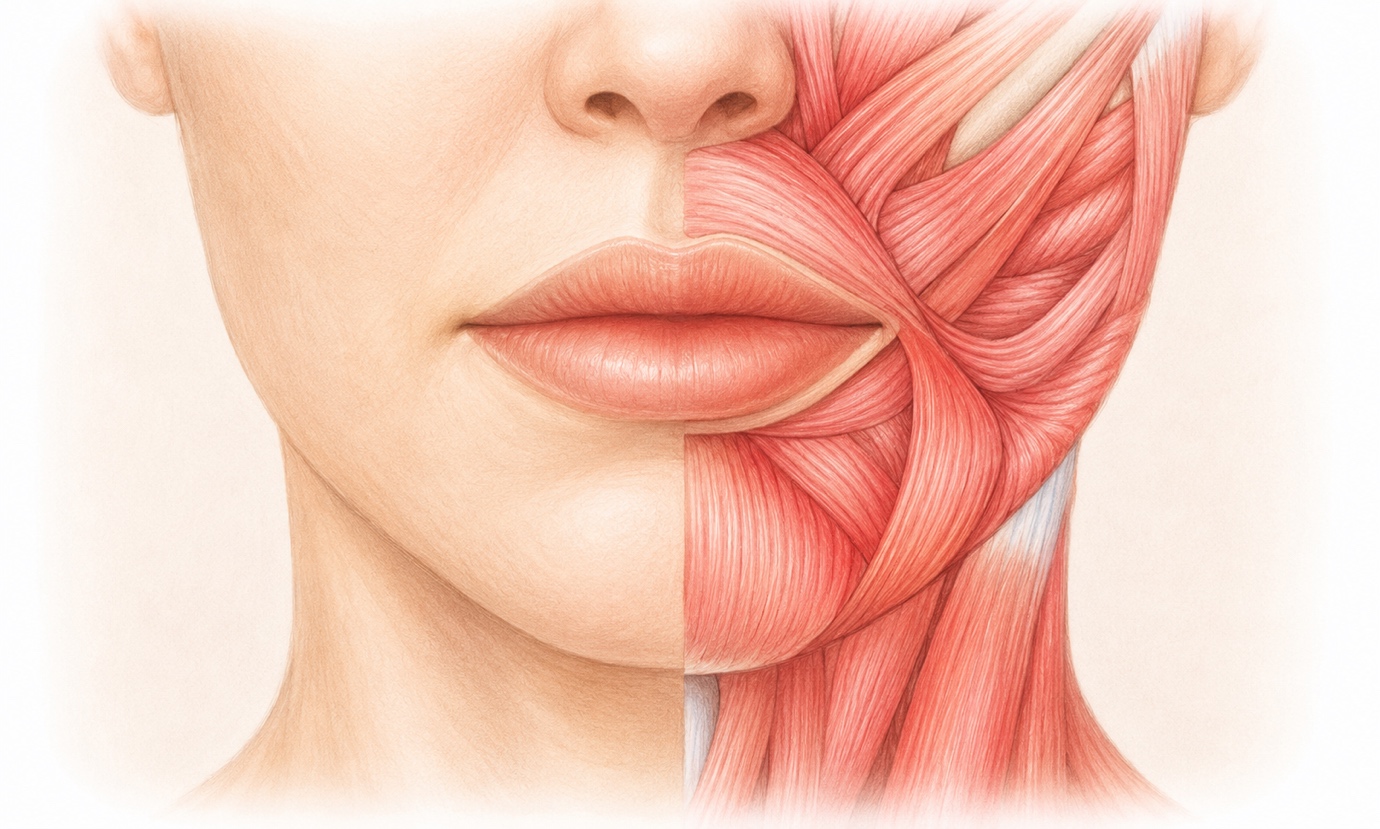
The dominant muscle of the lips is the “orbicularis oris” - a circular muscle that surrounds the whole mouth. Its functions are to close the mouth, and to protrude, and purse the lips. This helps us with eating, drinking, speaking, and various facial expressions.
There are also no less than 22 other muscles (11 on each side) that pull on various parts of the lips to make them move in particular ways.
Having a relatively small mouth opening and all these muscles attached to our lips allows us to make a huge range of sounds and facial expressions.
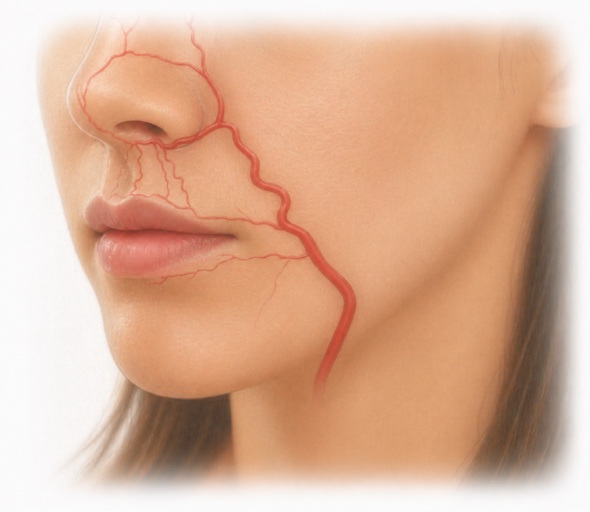
All these structures need to be supplied with blood, which brings with it essential oxygen for functioning. Each lip gets fed blood through a branch of the “Facial artery”, which carries blood upwards as it curves over the jaw bone to near the corner of the mouth and onwards towards the side of the nose.
On each side, one branch goes to the top lip, one to the bottom lip. The position of these lip arteries is fairly (but not completely) predictable.
It is very important for a cosmetic practitioner to know where this artery usually is, because treatments can result in blood flow problems to the lip and lead to permanent damage.
______________________________
Lips are sensitive things!
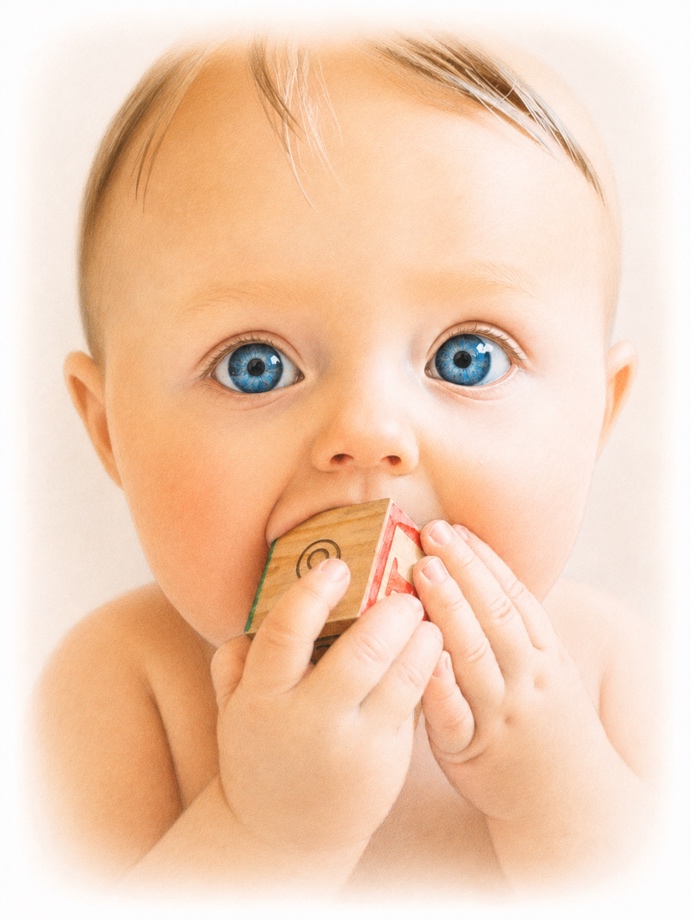
There are about a million nerve endings on the lips, making them the most sensitive part of the body – 100 times more sensitive than our fingertips. We evolved to have this sensitivity because it protects us from putting dangerous things in our mouths.
It’s also the reason infants put DO things in their mouths – it’s the main way they explore the world.
This evolutionary adaptation presents a drawback for aesthetic treatments involving lips and needles – they hurt!
To be able to perform a treatment the patient can tolerate, your cosmetic practitioner needs to remember just how incredibly sensitive the lips are, and have access to a strong numbing ointment.
______________________________
What happens to the lips as we age?
1. The early changes
Lips reach their maximum volume and thickness during our late teens (around age 14 for girls and 16 for boys).
It takes almost 20 more years before we can actually see the first subtle signs of lip ageing - typically in our early 30’s.
The first visible change is a loss of plumpness. This shows as a loss of vertical height and forward projection, and a loss of smoothness and therefore light reflection.
The lip’s edges (the white roll / vermillion border) lose their crisp point and become flatter.
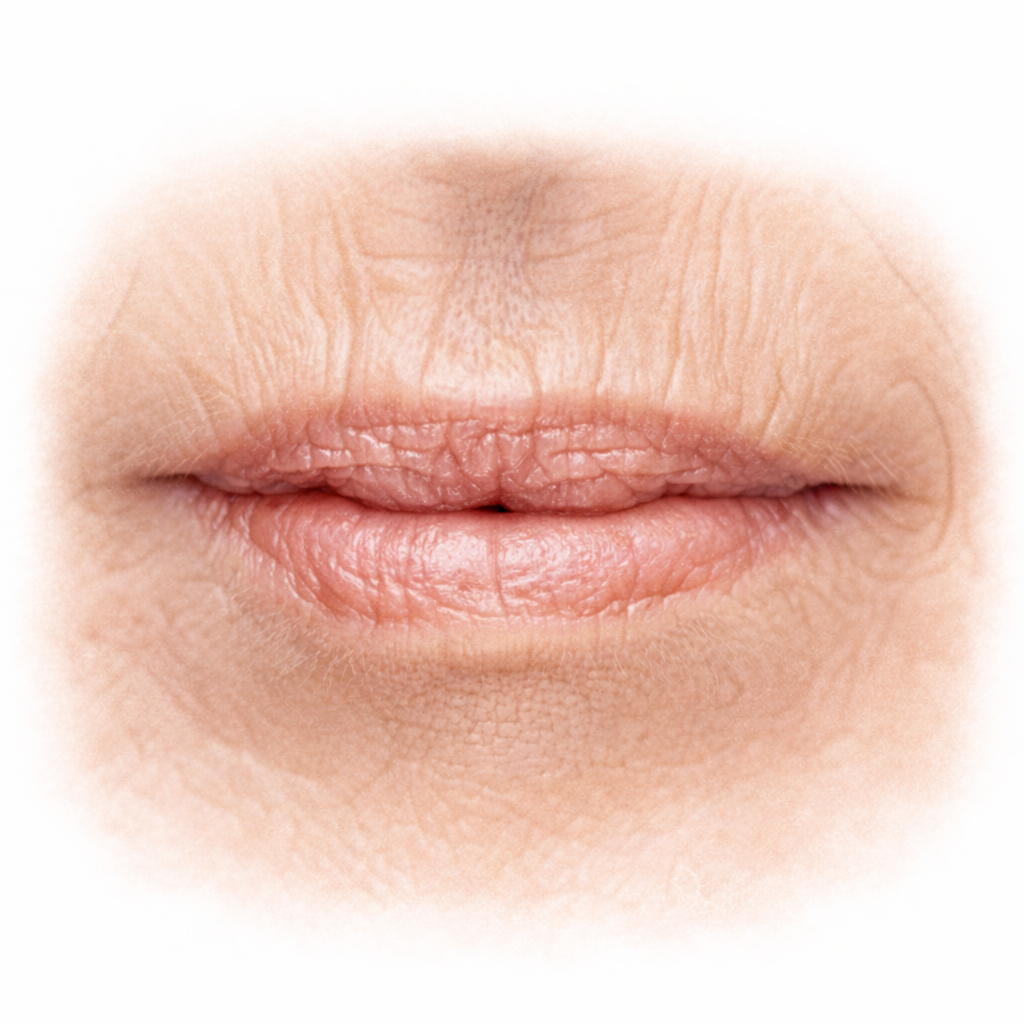
Due to repeated contraction of the orbicularis oris muscle over the decades, tiny vertical lines form in the skin of the lips which cross into the surrounding skin (“smoker’s lines”, or “barcode lines”). These can result in lipstick “bleeding” out of the lips along these lines.
2. To middle age and beyond
Lines around the mouth that were once barely visible become deeper.
The cheeks start moving downward, dragging the corners of the mouth downward with them.
There is also flattening of the shape of the Cupid’s Bow.
The lips become paler overall, and the sharp demarcation at the vermillion border, between the red of the lips and the skin colour around them, becomes blurred.
The whole upper lip (from the nose to the mouth) starts to stretch longer (by about 1mm every decade), which results in the red part of the lip turning inward over the front teeth and thus making it look even thinner when viewed from the front. The lower lip also sags lower (by about 1mm every decade).
This upper lip lengthening and lower lip sagging means that as we age, we show lower parts of our teeth when we open our mouths. In youth, opening the mouth slightly results in top teeth showing. By old age, the upper teeth are often completely hidden when the lips are slightly open, and the lower teeth are exposed instead.
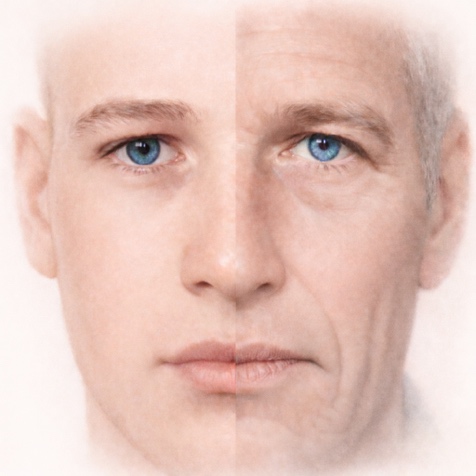
Look closely at side-by-side pictures of movie stars in their youth and decades later (if they haven’t had cosmetic procedures and aren’t wearing make-up) and these changes can often be seen.
Why do these changes occur?
The many changes to the lips with age are all caused by the same factors that cause the age-related changes in other parts of the face. It is the unique anatomy of the lips that determines exactly how those factors play out.
1. Loss of collagen, elastin and hyaluronic acid in the skin
These proteins, which are in the dermis (lower) layer of the skin, give skin its shape (collagen), elasticity or spring (elastin) and ability to attract and hold water (hyaluronic acid).
I like to think of skin like it’s a sofa, with collagen being the frame to give it a shape, elastin being the springs inside the cushions to help it spring back into that shape, and hyaluronic acid being the stuffing in the cushions to make them plump.
From our mid-20’s on the levels of all three start dropping at the rate of about 1% every year. We continue to make collagen and hyaluronic acid, but the rate that we make it is slower than the rate at which it being destroyed.
As for elastin, we don’t even make any more after the age of about 25.
By the time of menopause the collagen levels in women are about 25% of their young adult level. When oestrogen levels plummet, the levels do so too, resulting in a further 25% reduction over the next 5 years. After that the reduction per year continues at about 1%.
This is why face (and lip) changes seem to accelerate so much just after menopause.
The decrease in levels of this trio of proteins is the main reason for the changes to the lips - the formation of lines and wrinkles in the skin, loss of volume, and sagging of tissues.
2. Gravity
Every moment we aren’t lying down, gravity is pulling at our tissues. When we’re young, with high collagen and elastin levels, our skin resists this force. As we age, gravity starts to win the tug-of-war and things start sliding downwards.
3. Loss of fat (and muscle)
With ageing, fat is redistributed from the periphery (face, limbs) to the torso, in both men and women. Fat loss in the face includes the lips. This contributes a small but significant amount to the loss of lip volume.
Over time the muscles around the lips become smaller. This also reduces lip volume slightly. This fact has led to the theory that exercising your lip muscles (“lip yoga”) can restore lip volume. In fact, it just accelerates the formation of wrinkles in your lips, just like how frequent frowning causes frown lines of the forehead.
4. Tilting teeth
As we age our teeth gradually tilt slightly more inwards. This means the lips have less force pushing them out, and so they turn inwards, further accentuating loss of their vertical height and projection.
5. Circulation problems
Over time there is less blood flow to the lips, resulting in less redness showing through. This makes the lips look paler, and the sharp difference in colour between the red of the lip and the skin around them becomes blurred.
What are the best lips for you?
There is not a single answer to this. It is a discussion that you can have with your cosmetic practitioner. Some factors to consider are your age, ethnicity, gender, the degree of age-related change present, symmetry, and personal preference.
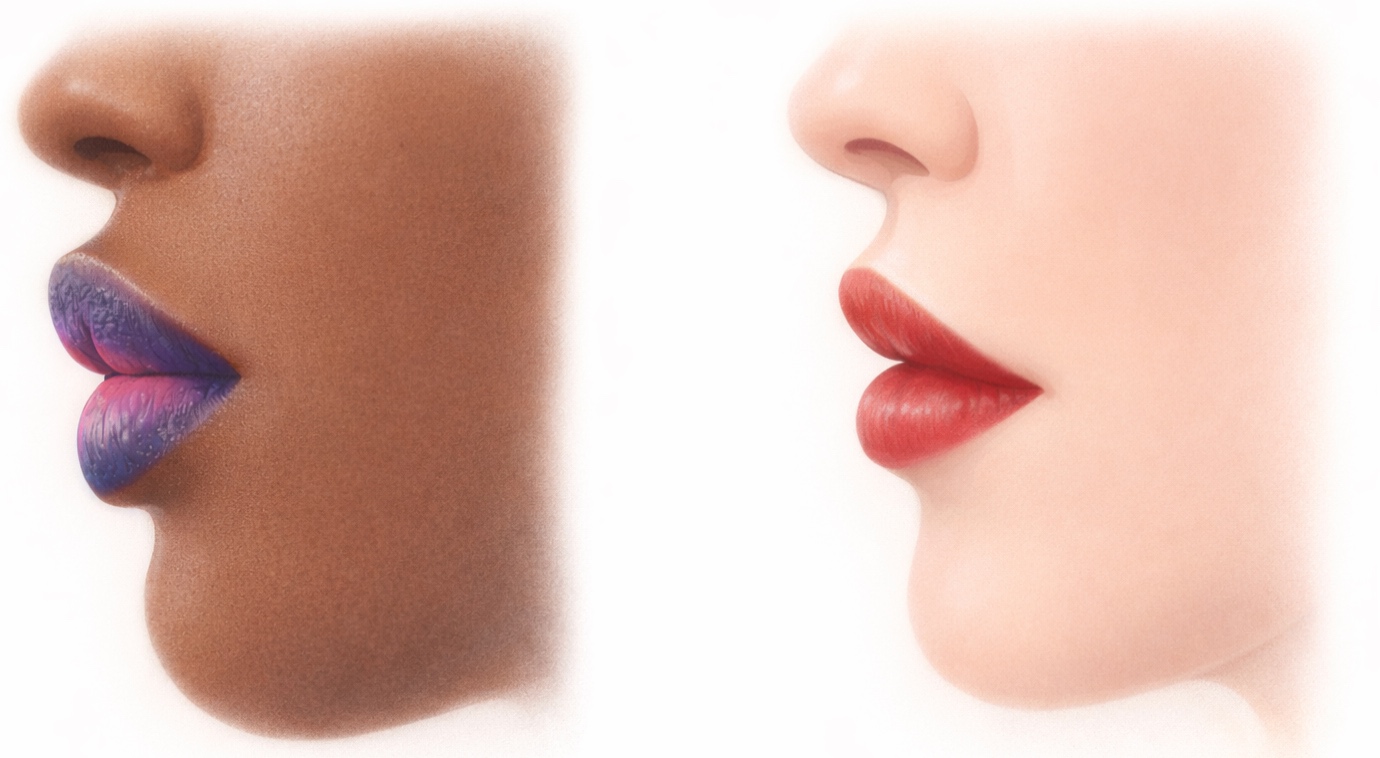
Cosmetic practitioners provide treatments for lips that aim to restore at least some of the volume and original features of the lips.
At one end of the lip treatment spectrum, techniques can give a very subtle result that is almost unnoticeable - restoring very little volume, bringing back just a little of the lost features, and reducing fine lines.
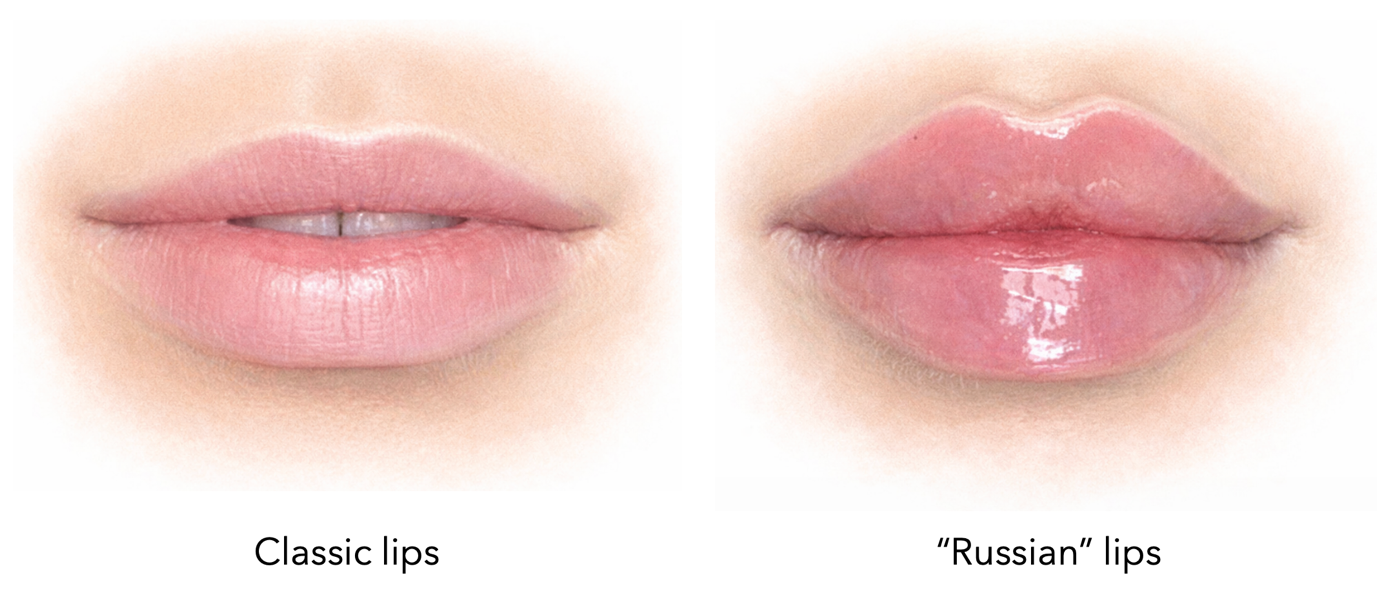
Other techniques can create more noticeable results, such as “Russian Lips” (see below).
Your cosmetic practitioner should be familiar with different techniques and products so that you get the lips you want, in the safest possible way.
F.A.Q.
1. What makes lips turn blue?
Lips (and nails) can turn blue when someone has very low oxygen levels or is very cold – in both cases having less oxygen attached to the blood cells changes the way light is reflected back to our eyes, and it appears more blue.
It is because the lips are so thin that this happens. Normal skin is thicker and darker, so you don’t see a difference in its colour.
Before we could measure oxygen levels by placing a pulse oximeter onto a finger, we had to rely on lip colour as a rough guide to how low a patient's oxygen level was.
2. What is “cleft lip”
The bumps and ridges in the lips that I described above form at 6 weeks pregnancy. They form at the places of joining of the middle part of the face with the two side parts of our face.
Cleft lip occurs when these parts of the face don’t join properly. The baby is born with a split (or “cleft”) in the upper lip, and usually there is a cleft palate as well.
For reasons that we don’t understand yet, if the cleft is only on one side (which it usually is) it’s twice as common to occur on the left.
Cleft lip and cleft palate is more common in babies born to women who smoke, are overweight, have diabetes, or who have taken certain epilepsy medications or retinoid medications in early pregnancy (section on retinoids in my article "How Do I Improve My Skin Quality").
Infants with these conditions undergo surgery to close the cleft.
3. What the best sun protection for lips – lipstick or lip gloss?
Clear, shiny lip gloss without UV blockers actually attracts MORE solar radiation into your lips than if you had none on. And beware of lip gloss with shimmer – the flecks can attract even more UV radiation and increase sun damage.
This increased exposure accelerates moisture loss, can cause sunburn, long-term hyperpigmentation, or even skin cancers.
Lipsticks generally contain zinc or titanium oxide, which are fairly good sunscreens (like zinc cream). But they're not as good as SPF50+.
The best way to protect the collagen, elastin and hyaluronic acid in your lips is to use a lip balm with SPF50+ every morning, and if you use lipstick too, apply it over the top.
And please don’t smoke or vape – that also destroys your collagen.
What are “duck lips”
“Duck lips” is a slang term used to describe lips that have undergone treatment that makes them protrude forward in a very unnatural way.
What's “monkey mouth”
“Monkey mouth” is a slang term to describe the appearance when lip rejuvenation or wrinkle treatment results in an increase in volume of the upper lip in the philtrum area, leading up towards the nose.
Both of these unnatural results can happen with too much treatment in one session, too many treatments in quick succession, or poor technique.
What's a “gummy smile”?
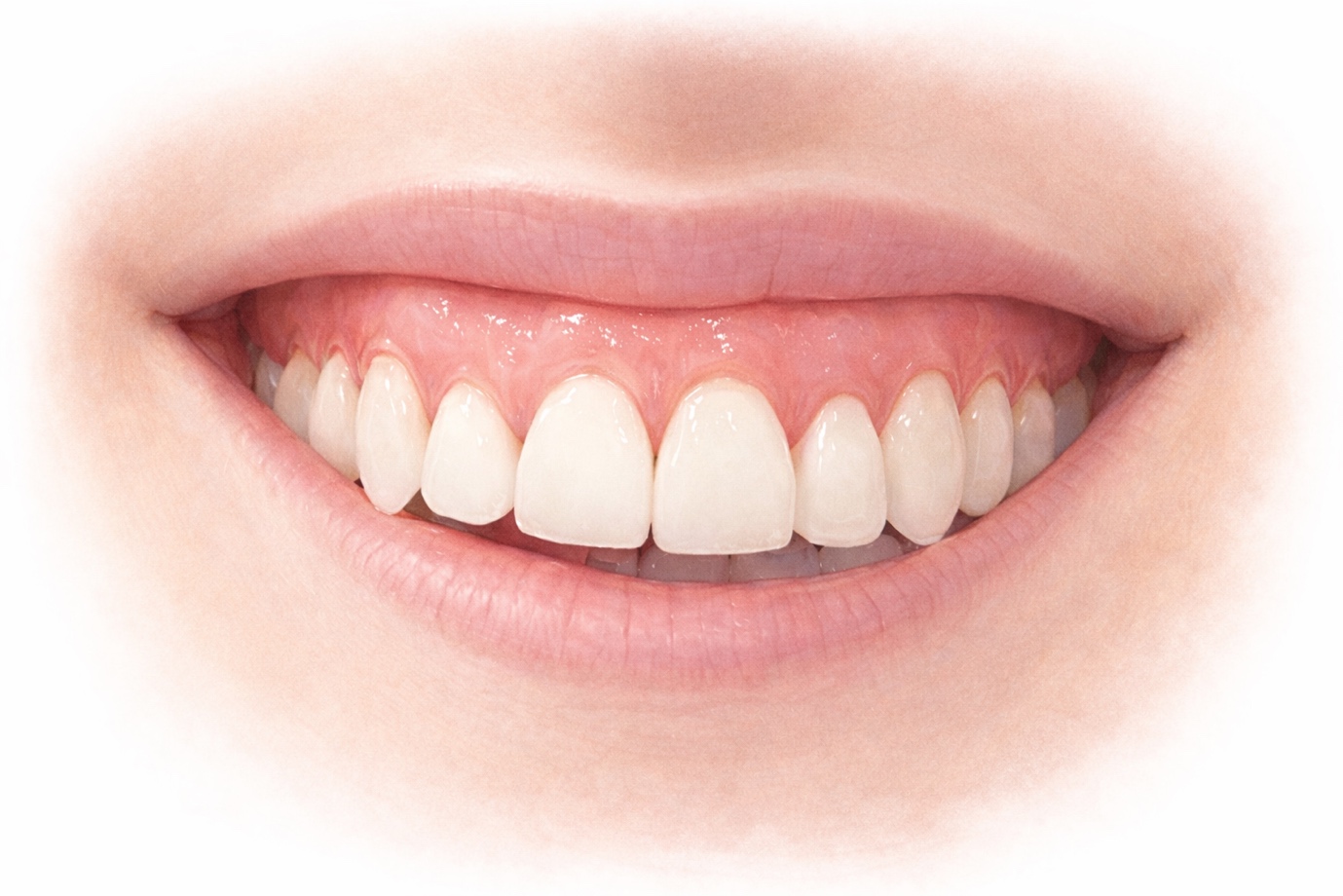
"Gummy smile" is a term to describe a smile where a lot of the upper gum is visible. Usually the reason is that the muscles of the face that lift the upper lip are more active than usual. Treatment is aimed at relaxing the muscle that is involved. As the upper lip lengthens with age, a gummy smile tend to decrease naturally with age.
What do “perfect" lips look like?
Since ancient times, people have suggested that certain proportions look “perfect” or more harmonious. One of these proportions is the “golden ratio”, where one part of a structure is exactly 1.6 times the size of an adjacent part (seen in some famous buildings like the Taj Mahal).
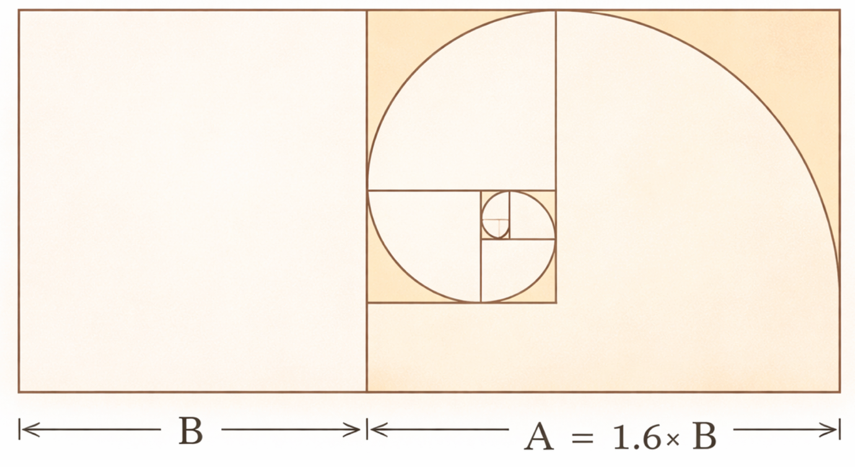
In Renaissance times, there were attempts by artists and academics to apply these ideas to the human face. Their observations of young European women led to the idea that in “perfect” lips the vertical height of the lower lip is 1.6 times that of the upper lip.
These ideas were developed within a European context and do not reflect the full range of natural variation. Many people of African background, for example, have lips closer to a 1:1 ratio, which is equally normal and aesthetically balanced.
Since the late 2010’s, there is a distinct, "doll-like" aesthetic trend towards higher upper lip height, without increased forward protrusion, as popularised by Eastern European cosmetic practitioners. Ironically, this produces more like the 1:1 ratio seen in non-Europeans, instead of the ratio that was considered “perfect” for centuries in Europe.