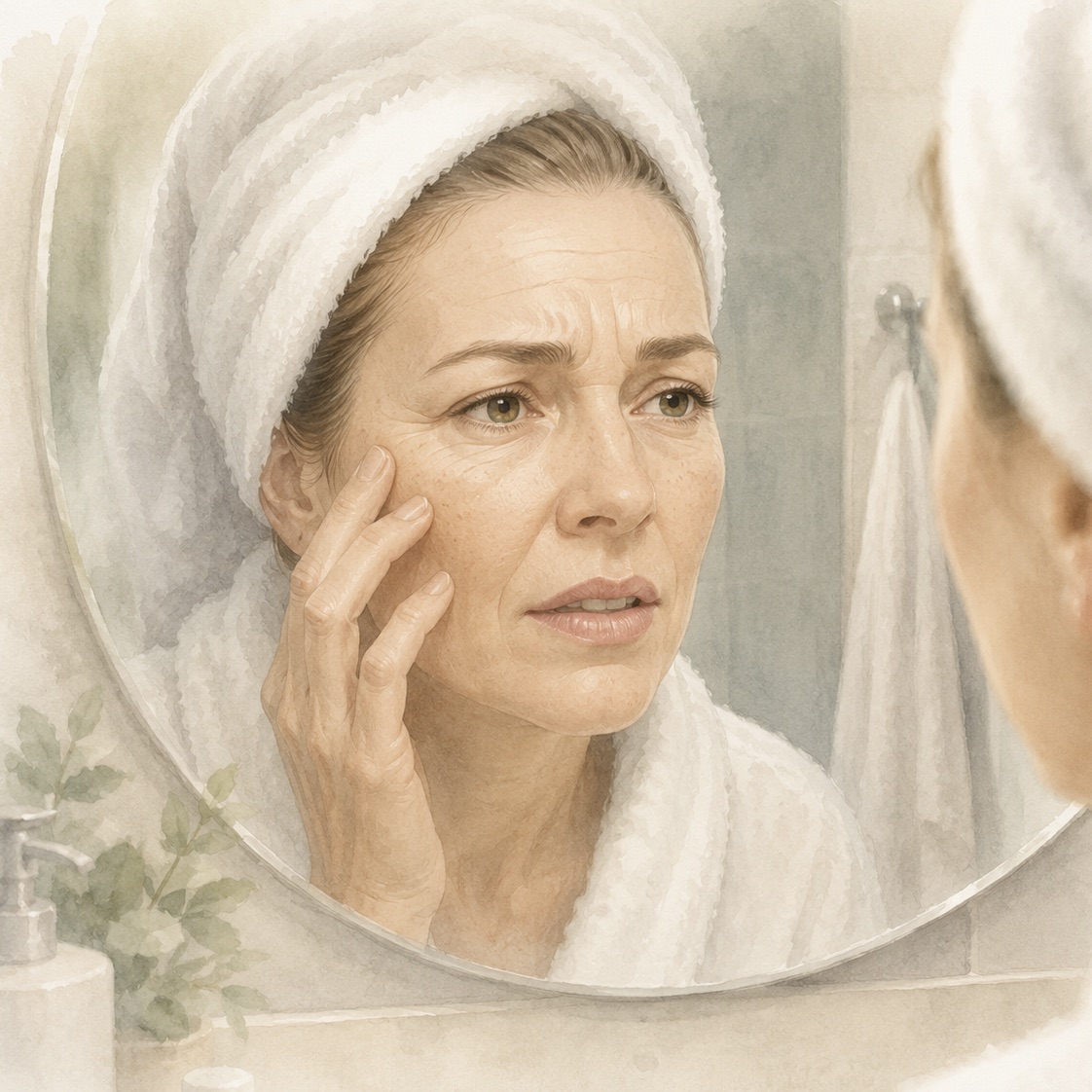
Most of us notice lines on our face long before we notice other signs of ageing.
At first, they only appear when we smile, frown, laugh or raise our eyebrows. Later, they start to remain visible even when our face is completely relaxed. This can be frustrating because the lines seem to appear suddenly, yet the processes that cause them have usually been developing for decades.
The good news is that understanding why lines form helps us understand what can be done to slow their development and, in some cases, improve their appearance.
Why are my wrinkles staying?
Every day we repeatedly contract the muscles of facial expression. We smile, laugh, squint, frown, raise our eyebrows and purse our lips. Each movement causes the skin lying over those muscles to fold in a predictable pattern.
When we are young, the skin is remarkably good at springing back into shape when the muscles relax. This is because levels of collagen, elastin and hyaluronic acid are high.
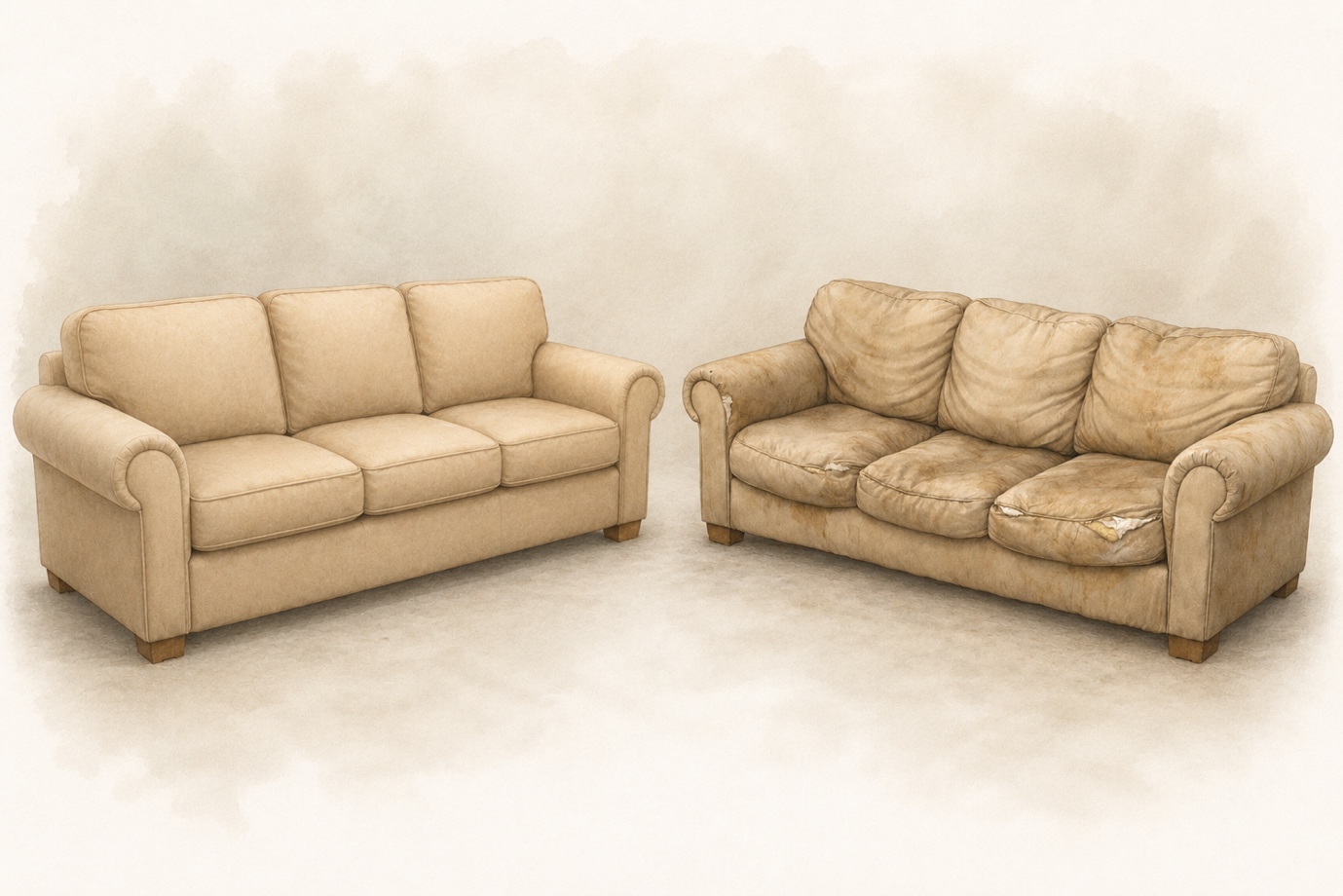
I like to think of skin as being a little like a sofa. Collagen provides the framework that gives it shape. Elastin is like the springs that makes the cushions bounce back. Hyaluronic acid is the filling in the cushions keeping the cusions plump.
From our mid-twenties onwards, the levels of all three gradually decline. The skin becomes thinner, less elastic and less able to resist repeated folding. Over many years, the same lines are creased into the skin thousands of times.
Eventually, the folds stop disappearing. Lines that were once only visible with movement become visible at rest. Cosmetic practitioners often refer to these as "static" lines.
Sun exposure accelerates this process by damaging collagen and elastin within the skin. Smoking and vaping has a similar effect.
Why do some people always look angry?
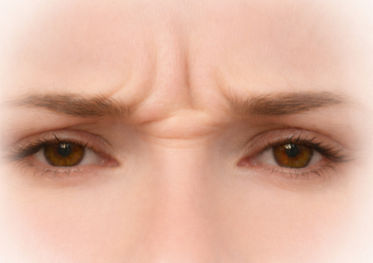
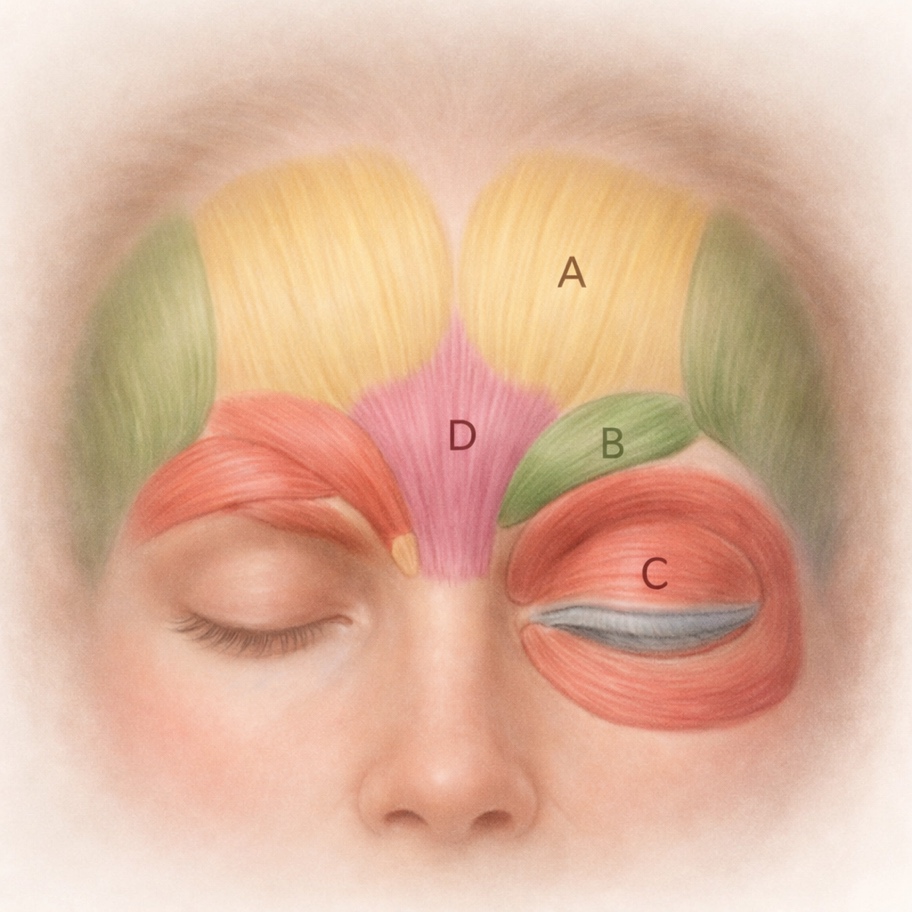
The lines between the eyebrows are often called frown lines. They form because of repeated contraction of the muscles that pull the eyebrows together and downward (muscles B and D in the diagram below). When these muscles contract, the skin between the eyebrows folds, most commonly into two vertical lines, so some people refer to these as their "elevens". Some people, however, only get one line (one patient of mine who only gets one line, calls hers "The M1"!)
In younger people, these lines only appear while frowning or concentrating. Over time they can remain visible even when the face is relaxed.
Because these muscles are associated with expressions of anger, frustration and concentration, prominent frown lines can sometimes make a person appear worried, angry or stern even when they feel perfectly relaxed.
This is one reason why the frown area is such a common focus of cosmetic consultations.
Why are everyone's forehead lines different?
Forehead lines form when we raise our eyebrows.
The two muscles responsible for this movement cover most of each half of the forehead. They lift the eyebrows upward (muscle A in the diagram above). Every time we express surprise, curiosity or emphasis in conversation, this muscle contracts.
Interestingly, not everybody develops the same pattern of forehead lines, and this is because the exact shape of the muscles and the direction they pull in, is quite variable.
Some people develop horizontal lines across the entire forehead. Others develop lines mainly in the centre, while some develop them more prominently towards the sides. Some people's lines are only in the bottom half of the forehead and for others the lines are more prominent up higher.
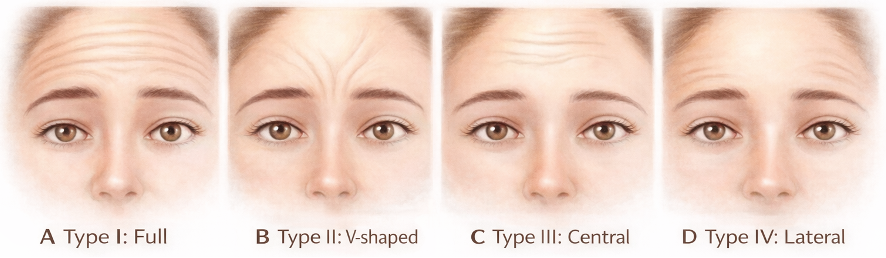
Another reason why forehead lines can become more prominent with age is because the skin of the eyebrow area becomes saggy, causing people to have to raise their eyebrows to see everything. This increases the folding of the overlying skin.
What causes "crow's feet"?
"Crow's feet" are the fine lines that radiate from the outer corners of the eyes. They are caused by repeated contraction of the circular muscle that surrounds the eye (muscle C in the diagram above). This muscle is used whenever we smile, laugh, squint or react to bright light.
Because this area is constantly moving, and because the skin here is so thin and prone to wrinkling, it is often one of the first places where facial lines become visible.
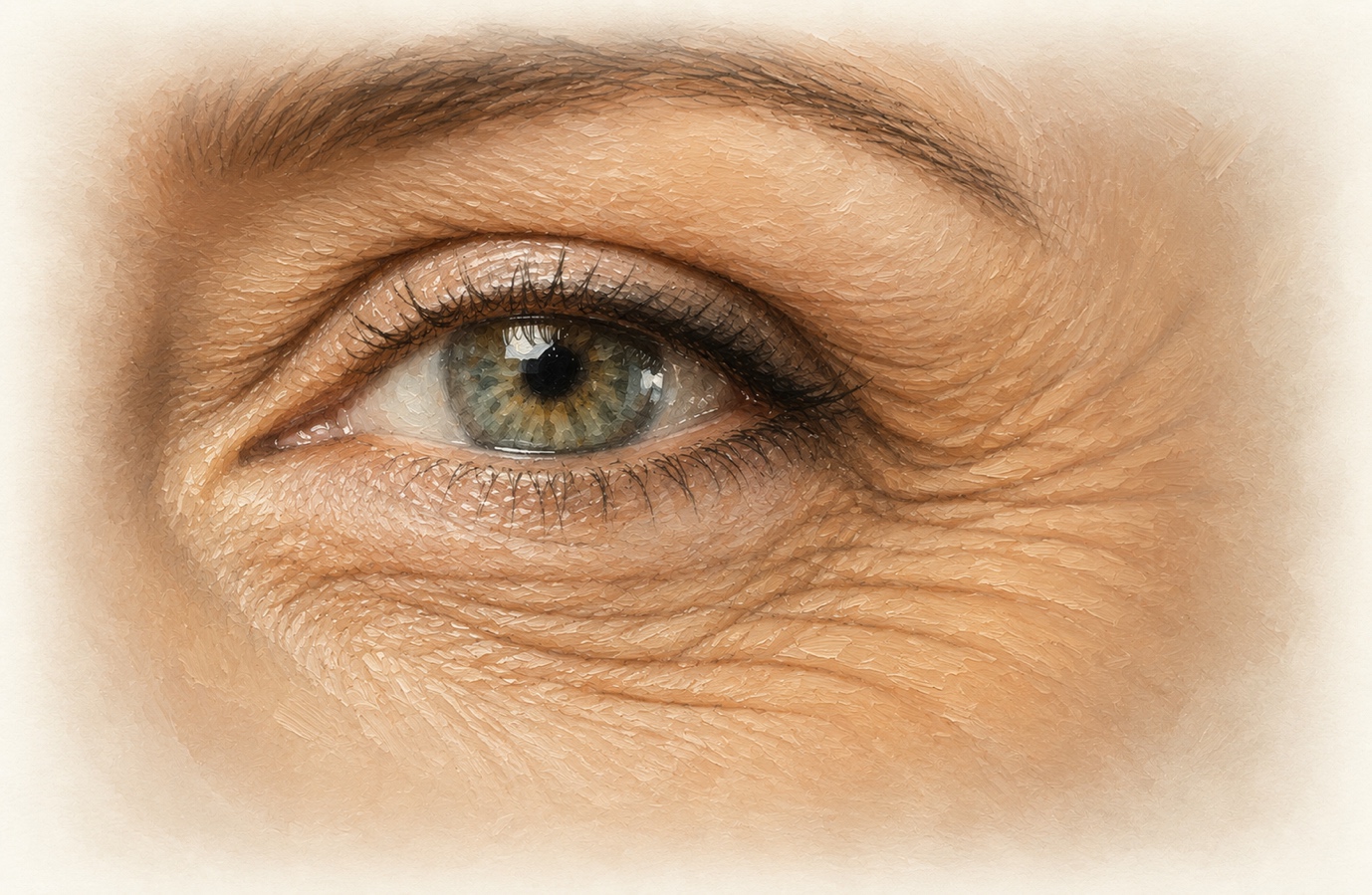
As with forehead and frown lines, crow's feet begin as dynamic lines that are only present during movement. With time, the skin becomes thinner and less elastic, and the lines gradually become visible at rest.
Sun exposure plays a particularly important role in this area because the skin around the eyes is already among the thinnest on the body.
Interestingly, different people have different opinions on their crow's feet. Some people dislike their crow's feet, while other people aren't bothered by them because they are caused by the types of positive emotions that result in smiling.
What causes cheek lines?
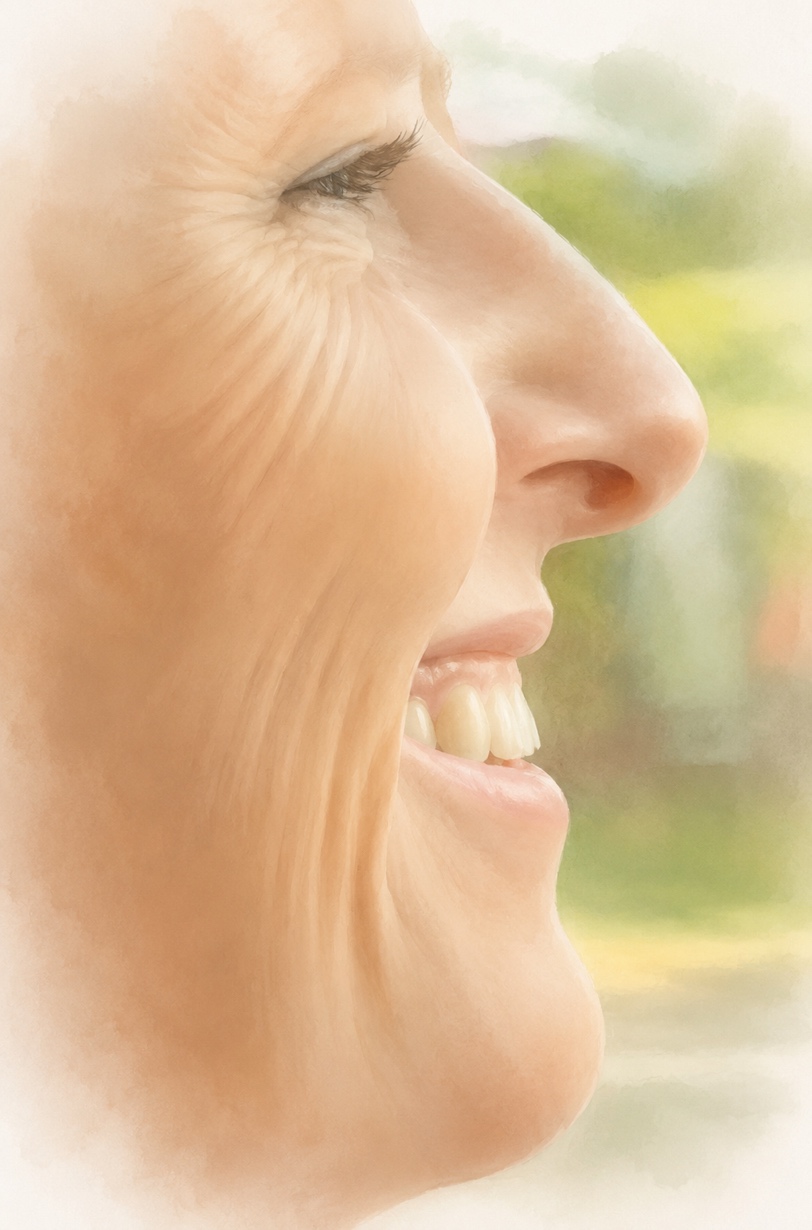
Some people notice fine lines appearing on the cheeks whenever they smile. Sometimes these smile lines (also known as "accordion lines") extend up to meet crow's feet lines, since smiling is usually accompanied with contracting the muscles around the eyes.
Unlike crow's feet or frown lines, cheek lines are influenced by several factors working together.
One factor is repeated folding of the skin during smiling. Another is gradual thinning of the skin due to loss of collagen and elastin. Changes beneath the skin can also contribute. As fat compartments shrink and move with age, the skin may lose some of the support it once had.
The result is that smiling can produce folds and creases that were not present years earlier.
These lines are often most noticeable in people with significant sun damage or naturally thinner skin.
How can non-smoker's get "smoker's lines"?
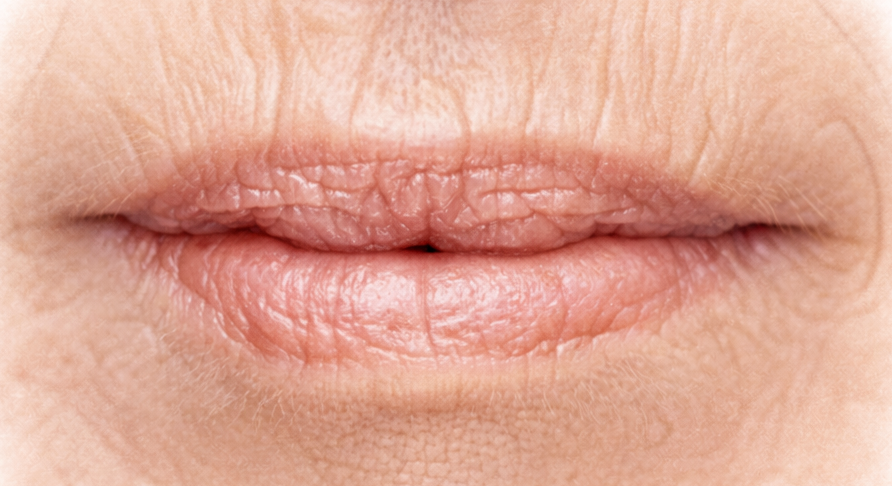
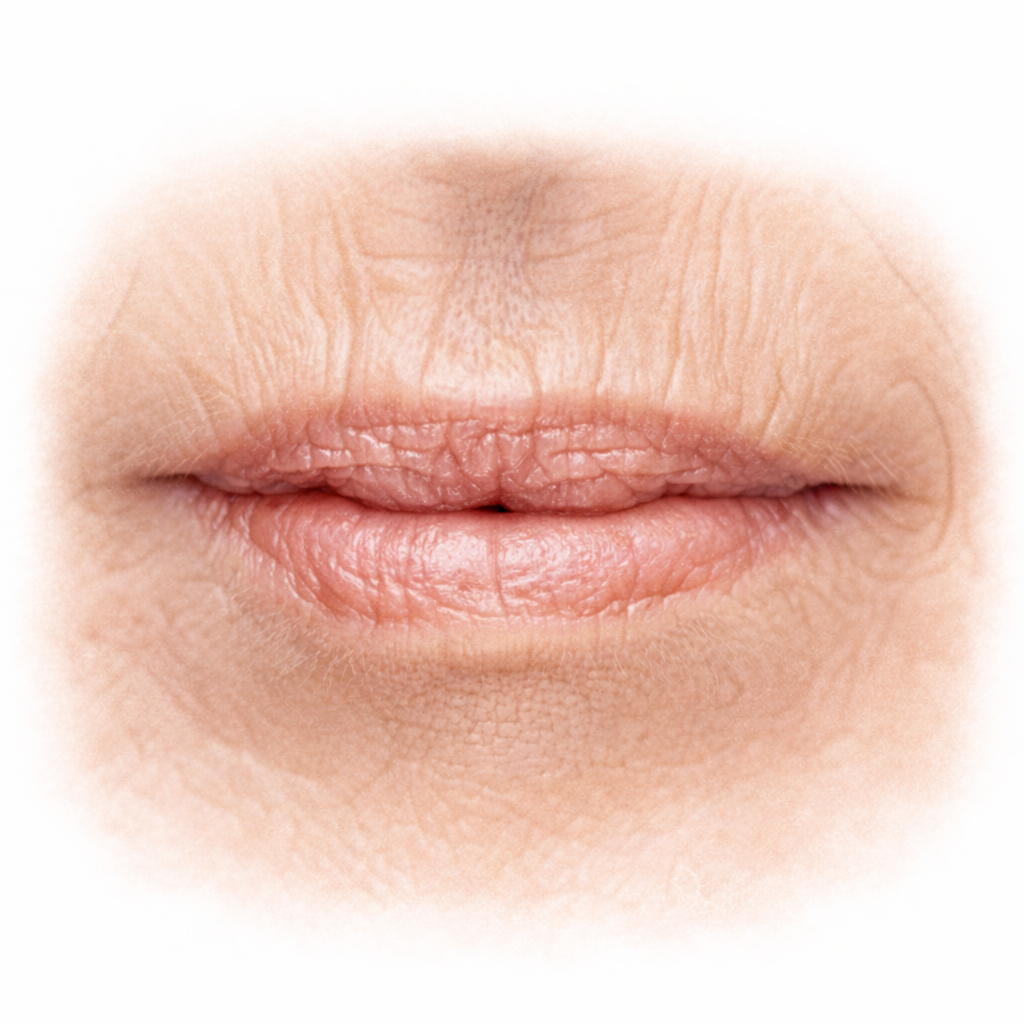
Smoker's lines are the fine vertical lines that form above and below the lips. They are sometimes called "barcode lines" because of their appearance.
Despite the name, many people who develop smoker's lines have never smoked.
The reason these lines form is that the circular muscle surrounding the mouth is one of the busiest muscles in the body. We use it every time we speak, drink through a straw, whistle, kiss, eat, or purse our lips. Over the course of decades, these repeated movements fold the skin in exactly the same place thousands of times.
When we are young, the skin springs back after each movement. As collagen, elastin and hyaluronic acid levels gradually decline, the skin becomes thinner and less elastic. Eventually the folds start to remain visible even when the lips are relaxed.
Smoking accelerates this process in two ways. Firstly, the repeated pursing movement used while smoking increases folding of the skin. Secondly, cigarette smoke damages collagen and elastin, making the skin less able to recover. This is why smokers often develop these lines earlier and more prominently.
Ageing alone, however, can produce exactly the same pattern. In fact, smoker's lines are one of the most common age-related changes around the mouth in people who have never smoked a cigarette.
Sun exposure can also contribute, particularly because the skin around the mouth is frequently exposed to ultraviolet radiation throughout life, and may be a place where SPF isn't routinely applied.
_______________________
Lines Vs folds
Not every line on the face is a “wrinkle”. The lines I’ve talked about above are caused because the skin is repeatedly folded by muscle activity. Other lines form because one area of tissue gradually sags or loses support relative to the area beside it.
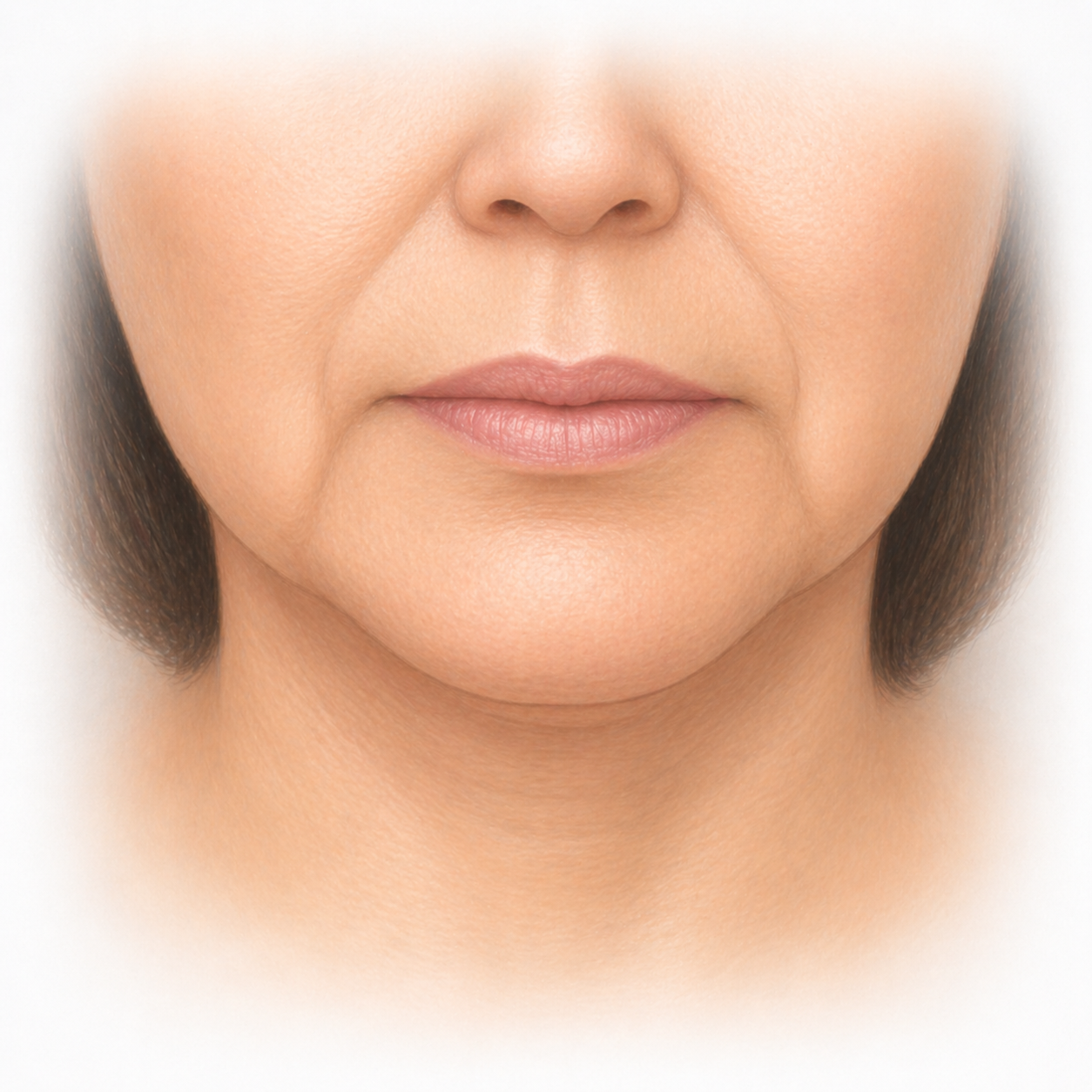
Nasolabial folds are a good example. These are the folds that run from the sides of the nose towards the corners of the mouth. They form largely because the thicker tissues of the cheek gradually descend and overhang the thinner tissues of the upper lip region.
Marionette lines form for similar reasons. As the cheeks and corners of the mouth descend, a fold can develop that runs downward from the corner of the mouth towards the jawline.
Although these folds can eventually leave a small visible line in the skin at rest, their underlying cause is different from a forehead wrinkle or crow's foot.
For this reason, cosmetic practitioners often think about wrinkles and folds as related but distinct problems. I have written more on this in my article: "Why Are Parts Of My Face Sagging?"
_______________________
What can be done about lines?
The first step is protecting the collagen and elastin that you still have.
Regular sun protection is one of the most effective measures available. Avoiding smoking and vaping is also important, as both accelerate collagen breakdown and skin ageing.
Retinoid creams can improve skin quality and may help reduce some of the effects of long-term sun damage.
Professional treatments generally fall into two broad categories.
The first group aims to improve the quality of the skin itself. These approaches focus on improving hydration, collagen production and overall skin health.
The second group aims to reduce the repeated muscle activity that contributes to wrinkle formation in certain areas of the face.
A personalised assessment is often the best way to determine which factors are contributing most and what options may be appropriate.
F.A.Q.
1. What is "Spocking"?

"Spocking" is the nickname given to an overly high outer eyebrow that can occasionally occur after treatment of forehead lines. Patients are said to “spock” when the outer part of the forehead muscle remains more active than the rest, causing the tail of the eyebrow to lift, rather like the eyebrows of the very logical Vulcan, Mr Spock from Star Trek.
Interestingly, preventing "Spocking" is not always as simple as treating the outer forehead more aggressively. In many people, particularly older patients, the outer forehead muscle helps lift the lateral eyebrow and keep the eyes looking open. Weakening it too much may cause the outer eyebrow to drop instead.
Achieving a natural result is often a balancing act between softening forehead lines and preserving the position and shape of the eyebrows. Usually a cosmetic practitioner will err on the side of undertreating the forehead above the outer eyebrow. If some degree of “spocking” occurs, it is usually easy to correct with a small adjustment.
2. What are "bunny lines"?
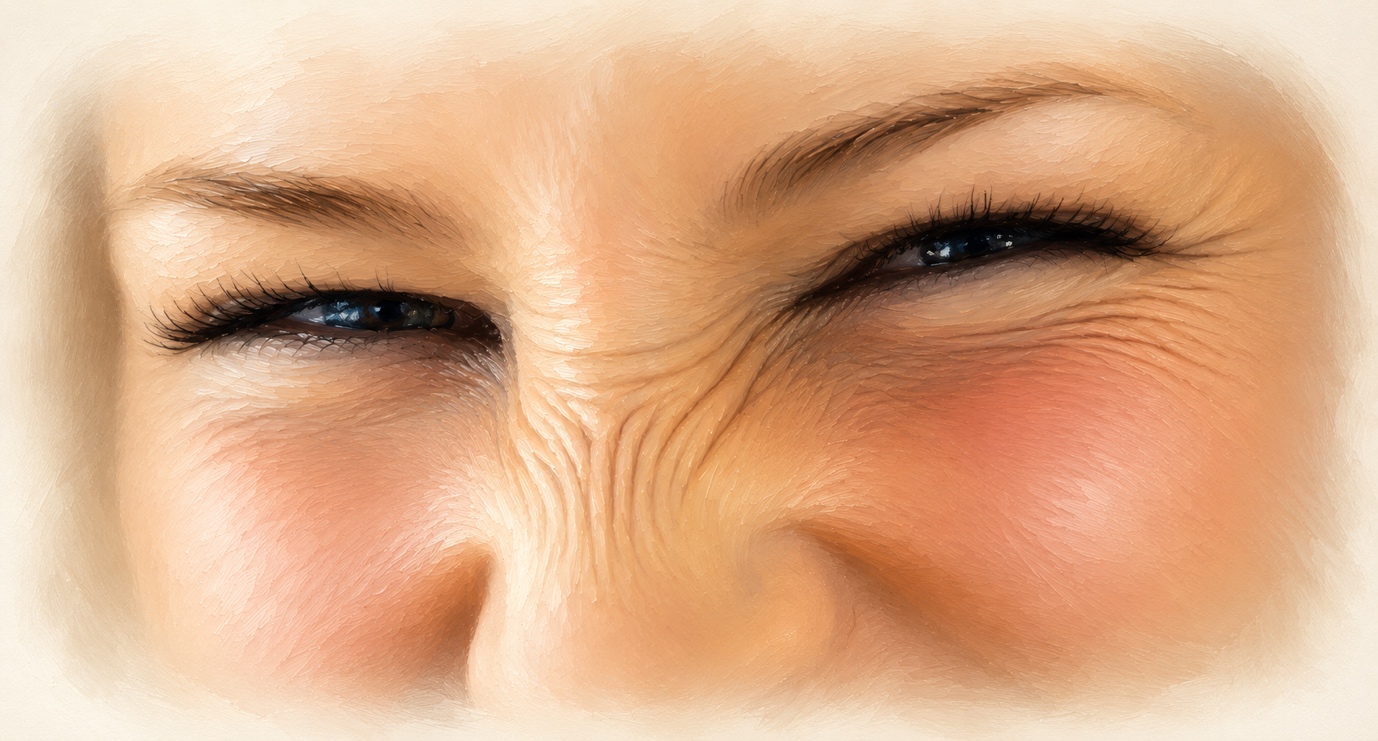
"Bunny lines" is the nickname given to the small diagonal wrinkles that appear on either side of the nose when some people smile, laugh or scrunch their nose. They are caused by contraction of the nasal muscles and often become more noticeable when other facial muscles are particularly active.
3. What's this line above my chin?
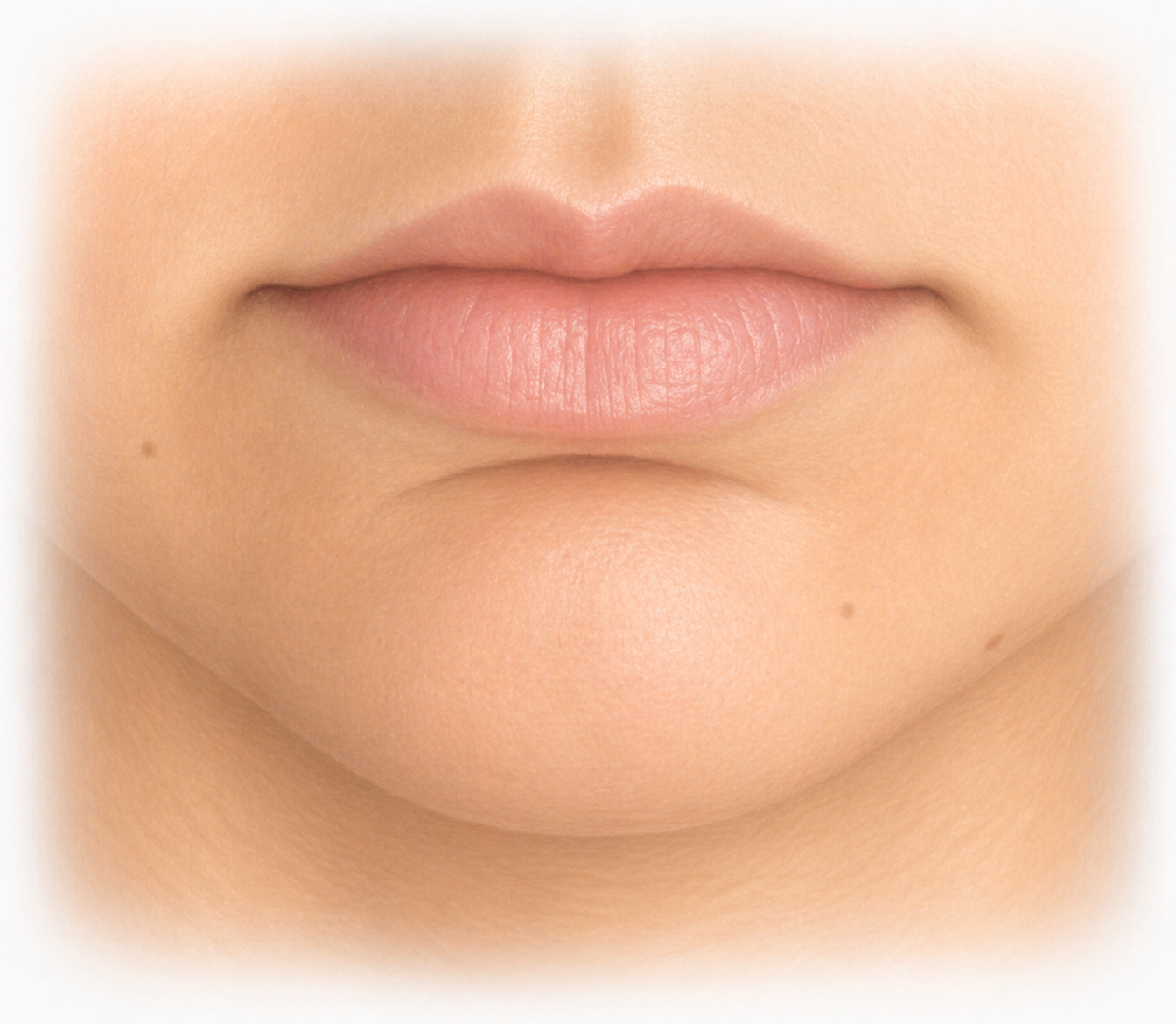
The horizontal crease that sometimes forms between the lower lip and the chin is called the mental crease.
It develops because of repeated movement of the muscles of the chin combined with age-related changes in the skin and supporting tissues. In some people it is barely visible, while in others it becomes quite prominent and contributes to an aged appearance of the lower face.