

When people think about ageing, they usually notice the face first. The eyes look more tired, the cheeks become flatter, the jawline softens or wrinkles appear around the mouth.
The neck often escapes attention for years. Then one day it seems to catch up all at once.
Perhaps you notice loose skin beneath the chin. Or vertical cords in your neck in a photo. The skin feels thinner, drier or crepey. Horizontal lines seem deeper than they used to be.
These changes are extremely common, but they do not all happen for the same reason.
The neck ages differently from the face. The skin is thinner, contains fewer oil glands, spends years exposed to the sun, and sits over muscles and fat that also change with age. Understanding which of these changes is happening is the first step towards deciding whether anything can be done about it.
Why does the neck age so early?
The neck is surprisingly vulnerable to ageing.
For a start, the skin is naturally thinner than much of the face. It also contains relatively few sebaceous (oil) glands, making it more prone to dryness. Dry skin forms fine wrinkles more easily and reflects light less evenly, making it appear older.

Sun exposure is another major factor. Ultraviolet radiation damages collagen and elastin, the proteins that give skin its strength and elasticity. Many people carefully apply sunscreen to their face every morning but stop at the jawline, leaving the neck and upper chest exposed year after year. The UVA radiation in sunlight can reflect off surfaces onto the neck and cause ageing, even if the sunlight doesn't directly hit the neck.
Smoking and vaping accelerate these changes by damaging collagen, reducing blood flow and slowing the skin's normal repair mechanisms.
Women often notice another change around menopause. Falling oestrogen levels cause a rapid decline in collagen production, skin thickness and hydration. In fact, women may lose around 25% of their skin collagen during the first five years after menopause. It is one reason the neck can seem to age quite suddenly around this time.
What causes thin, crepey skin?
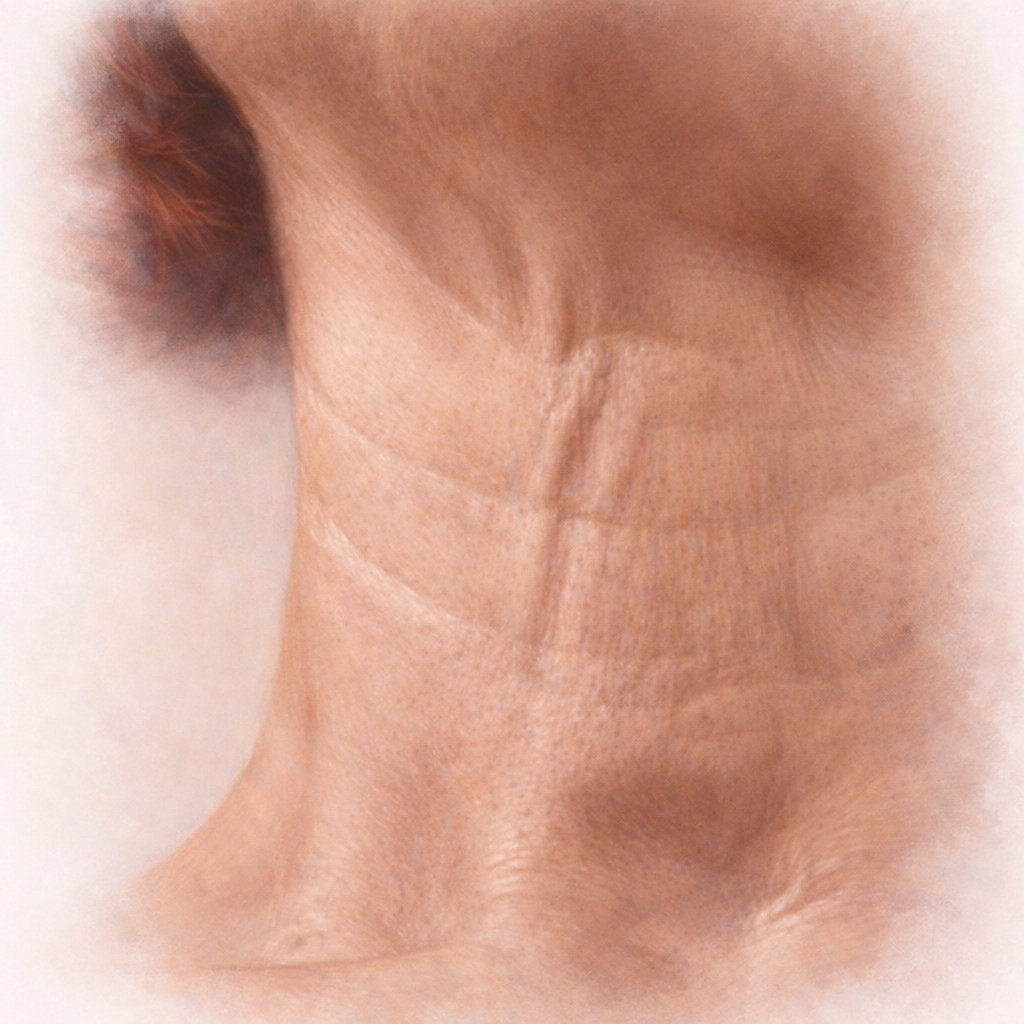
Crepey skin is skin that has become thin, finely wrinkled and resembles crumpled crepe paper. It is one of the most common neck complaints I hear.
Several changes happen at the same time.
The skin gradually loses collagen, elastin and moisture. It becomes thinner, drier and less able to spring back after being folded or stretched.
Years of ultraviolet exposure speed up this process considerably.
Unlike the face, the neck also contains relatively few oil glands, making dryness even more noticeable.
Why are there horizontal lines?
These lines are simply wrinkles like those on the face that have formed due to repeated movements and aged skin. That's why they become more obvious with age. These are sometimes called "necklace lines" or "tech neck", because repeatedly looking down at phones and tablets may contribute to their development.
How can I help prevent these changes?

Although nobody can stop ageing completely, there is a lot you can do to protect your neck. One of the simplest habits is to change your thinking and treat your neck as an extension of your face.
Sunscreen goes onto your face each morning. It should usually continue down over your neck and onto any exposed upper chest. Moisturisers reduce dryness and improve the skin barrier. Retinoids can gradually improve skin thickness, fine lines and texture when introduced slowly enough for the skin to tolerate them. Avoiding smoking and vaping helps. Maintaining a stable weight can help too.
None of these measures can completely prevent ageing, but they can slow many of the changes that eventually become visible.
How can I improve changes that have occurred?
This problem lies mainly in the skin itself, so treatment is usually directed towards improving skin quality.
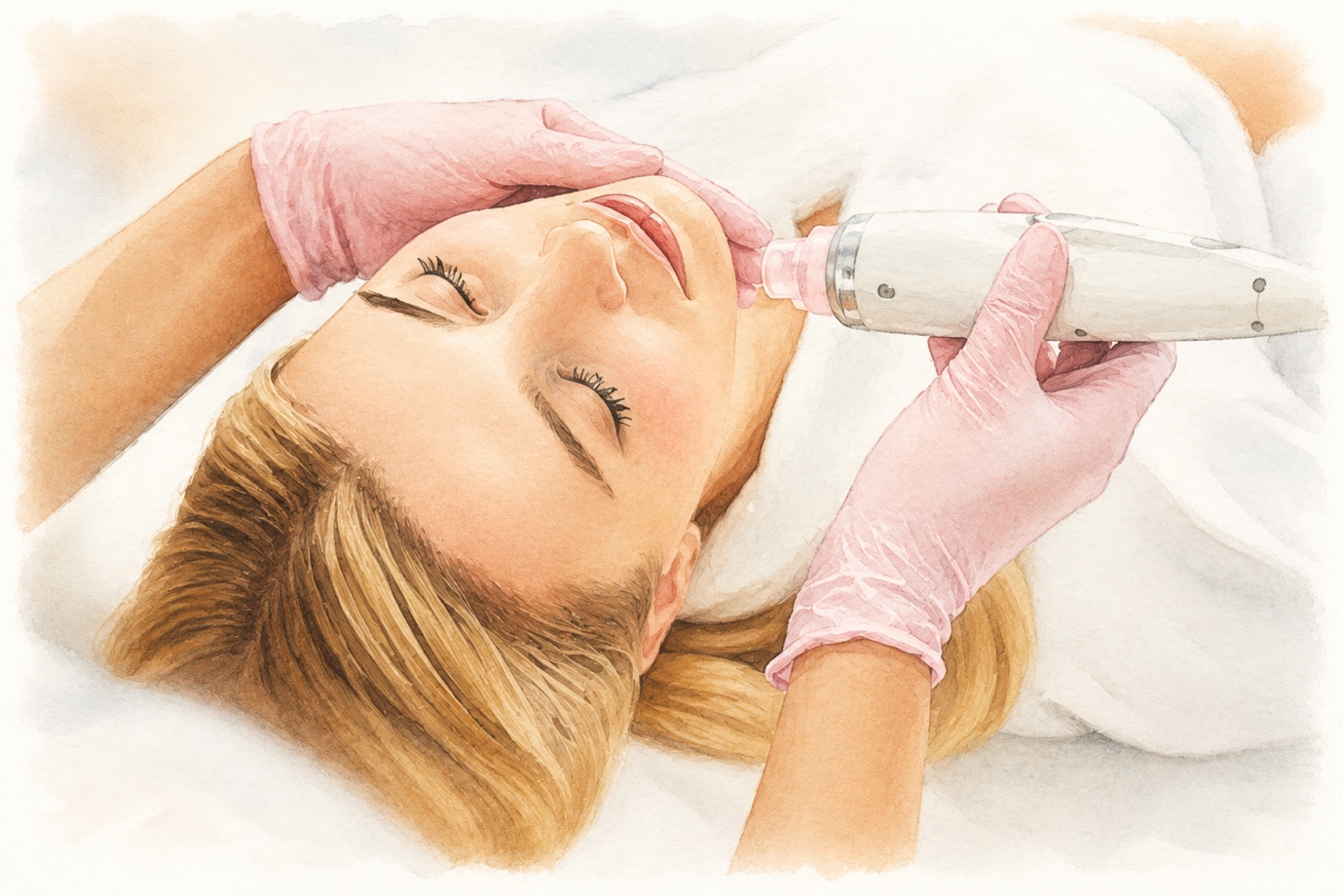
Depending on the individual, treatments that stimulate collagen production, such as skin needling, radiofrequency microneedling or selected energy-based devices, may also be appropriate.
Injectable treatments designed to improve skin quality are another option in selected patients – several options have recently entered the market.
A consultation with a suitably qualified cosmetic practitioner can help determine which approach may be most appropriate.
What are these vertical bands?
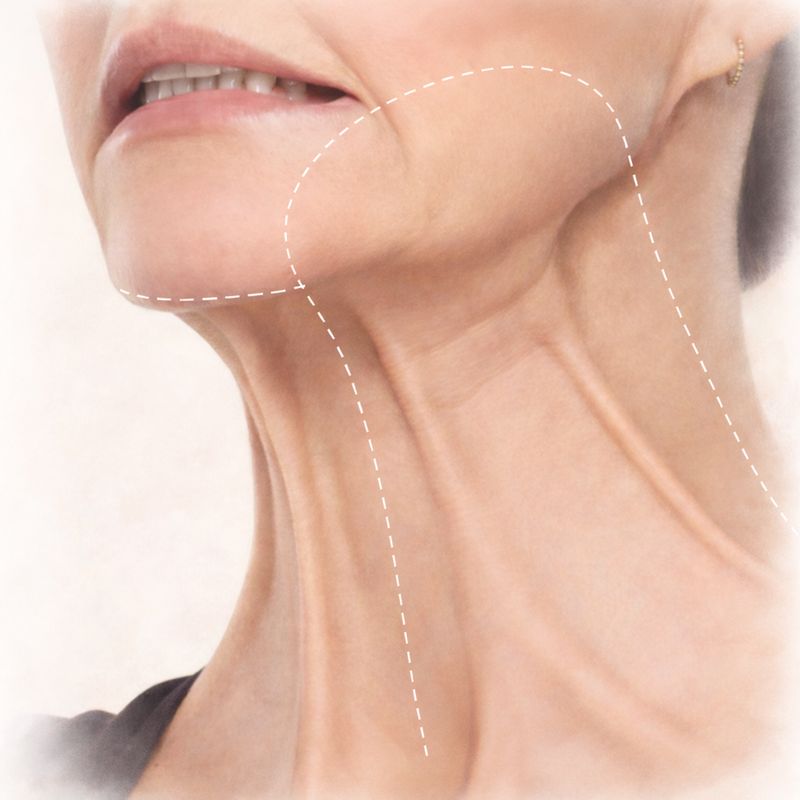
If you tense your neck while looking in a mirror, you may notice some vertical cords standing out beneath the skin. These are called platysmal bands and they’re actually thin strands of muscle - the “platysma”.
The platysma is a broad, thin sheet of muscle lying immediately beneath the skin of the neck. Unlike most muscles, it doesn't move a joint. Instead, it helps produce facial expressions such as tension, frustration, fear or disgust.
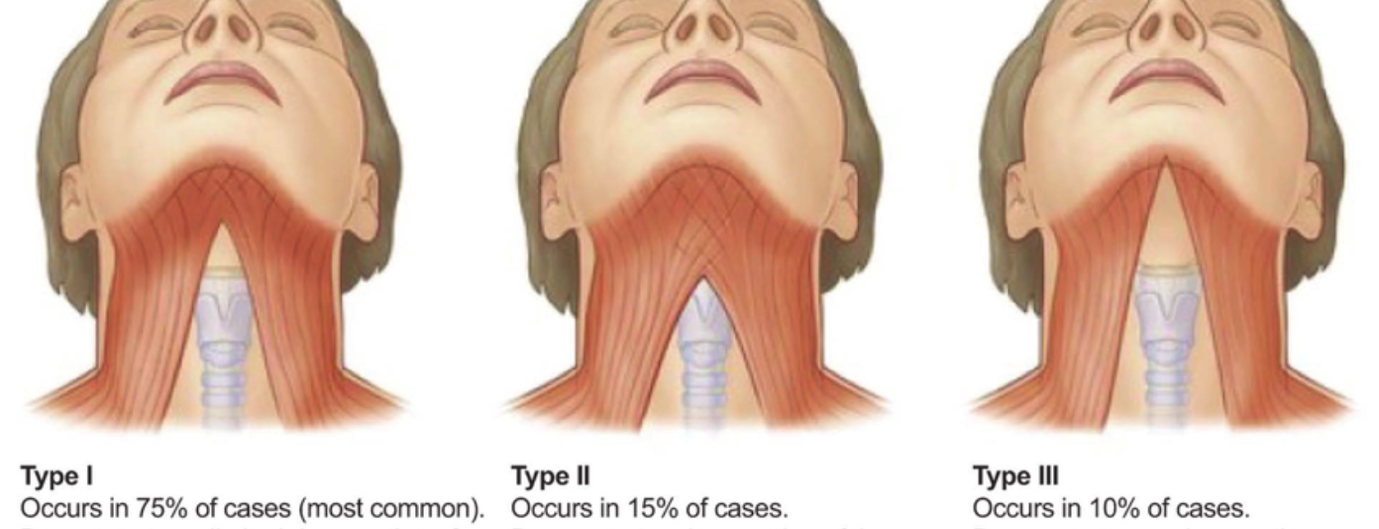
When we are young, the left and right platysma muscles usually meet beneath the chin. Sometimes they meet lower down, sometimes they don’t meet. As we age, they gradually separate further apart in the middle, become narrower and their edges become thicker. Those thickened edges are what become visible as platysmal bands.
People with relatively little fat beneath the skin often notice them more because there is less tissue hiding the muscle.
Because platysmal bands are caused by the platysma muscle rather than the skin itself, treatments aimed at improving skin quality usually have little effect. Instead, treatment is directed at reducing the excessive pull of the muscle while preserving normal movement and expression. Surgery may also be considered in some people with more advanced changes.
Why causes fat under the chin?
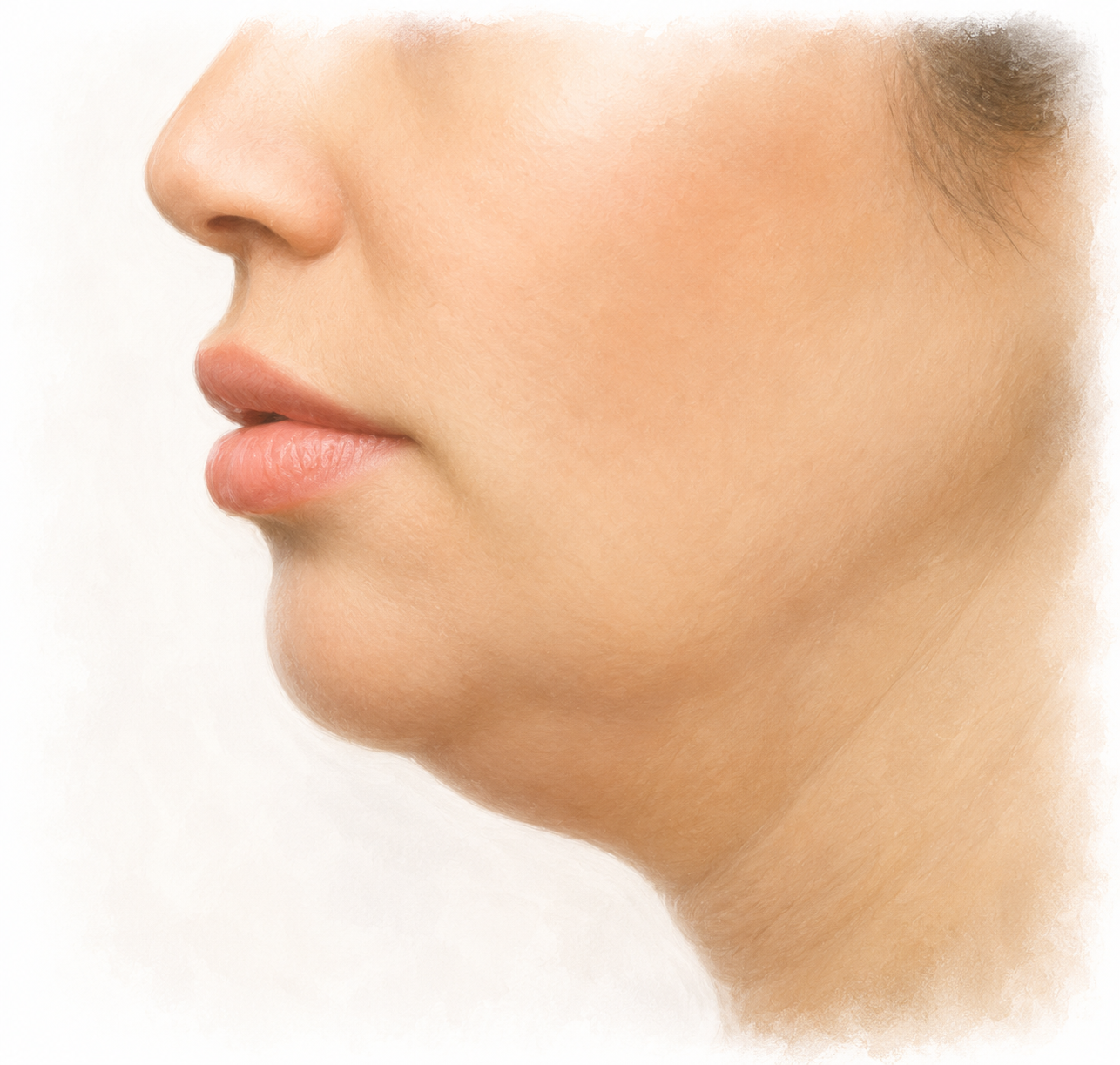
The answer is that the amount of fat stored beneath the chin is largely determined by genetics. Some people naturally store more fat in this area, just as others tend to store fat around their abdomen, hips or thighs.
This is called "submental fullness".
For many people, it first becomes noticeable in their teens or twenties, long before ageing has had much effect on the face. It is quite common to see a slim young adult with fullness beneath the chin despite having very little fat elsewhere.
The appearance is also influenced by the shape of the chin itself. Someone with a more projecting chin usually has a sharper angle between the jawline and the neck. Someone with a less projecting chin may appear to have more fullness beneath the chin, even if the amount of fat is exactly the same. The profile of the lower face depends on both the soft tissues and the underlying skeleton.
Another detail that most people are unaware of is that submental fat can lie in different places. Some sits immediately beneath the skin but over the platysma muscle, while some lies beneath the platysma muscle. This distinction is important because it influences which treatments may be appropriate.
Weight loss may help if you have gained weight overall, but many people discover that the fat beneath their chin changes very little despite losing weight elsewhere.
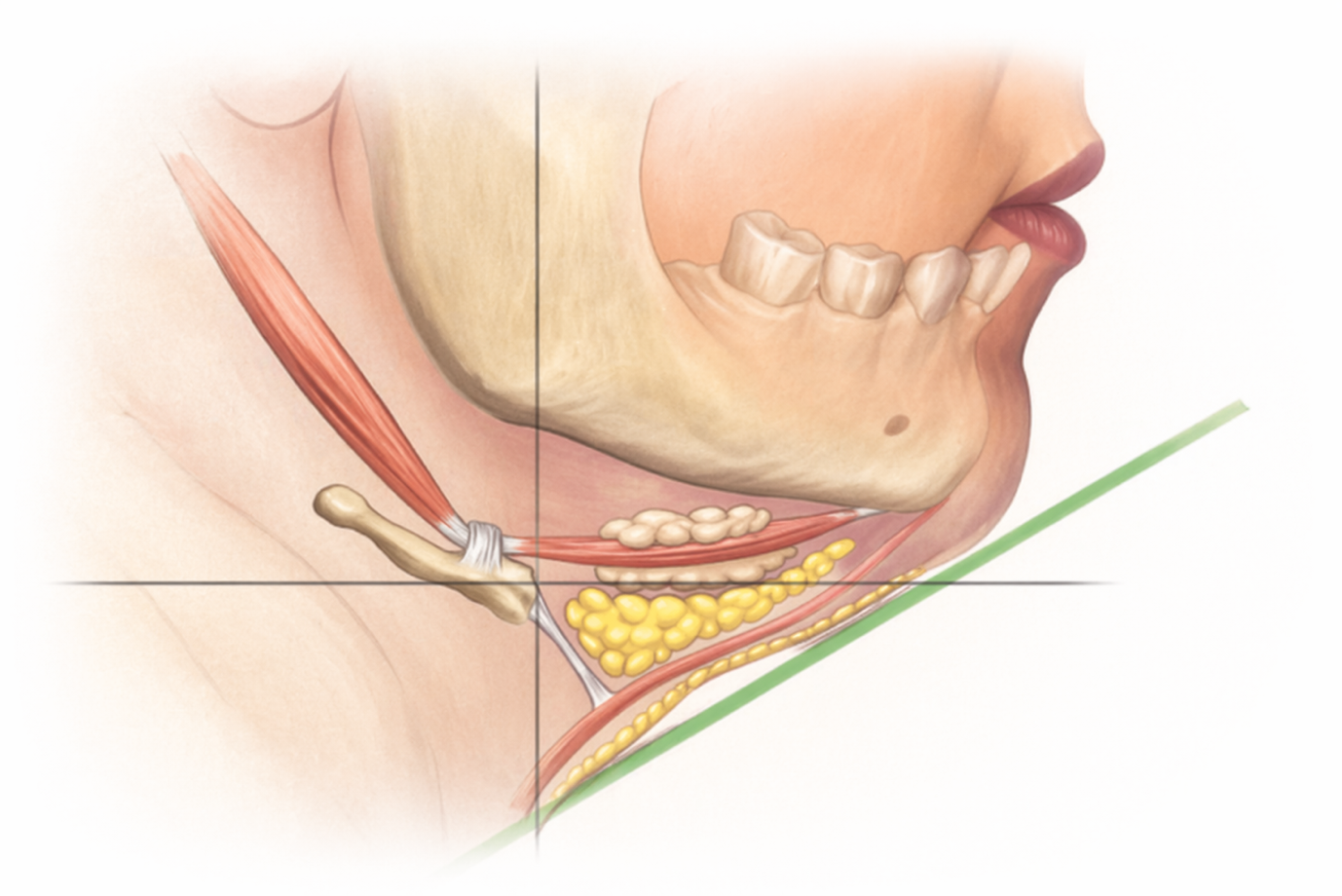
Because the problem is excess fat rather than loose skin or muscle activity, treatment is directed towards reducing the fat itself. Depending on the individual, this may include injectable fat-reducing treatments, cold-based fat reduction (cryolipolysis) or surgery. Which option is most appropriate depends on the amount and location of the fat, together with the person's overall anatomy.
What's a double chin?
Although people often use the terms interchangeably, submental fullness and a double can are not the same thing.
Submental fullness describes fat just beneath the chin.
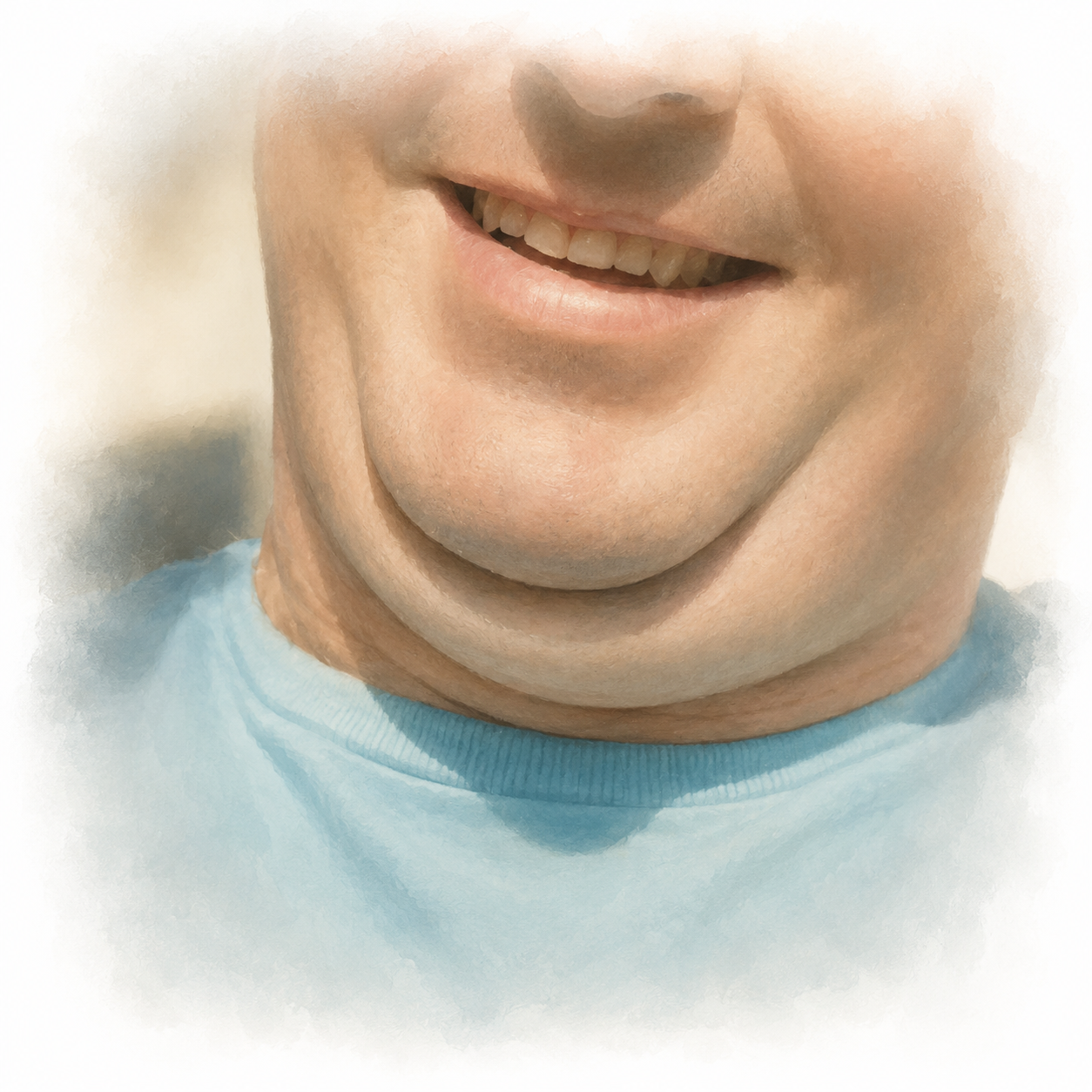
A double chin describes the appearance of a large fold of tissue beneath the entire chin and the jawline area.
Many young adults have genetically increased submental fat without having what most people would describe as a double chin. Their neck profile may simply look a little fuller than average.
As we age, however, several other changes begin to occur.
Most adults gradually gain some body fat over the years. The fibrous tissues that support the fat beneath the chin slowly weaken and stretch, allowing gravity to pull it lower. At the same time, the skin loses collagen and elastin, becoming thinner and less elastic. The jawline also becomes less sharply defined as the facial skeleton and supporting tissues change with age.
When these processes occur together, the distinction between the chin and the upper neck becomes less obvious. The tissues begin to drape beneath the jawline, creating what people commonly call a double chin.
This explains why two people with exactly the same amount of submental fat can have very different neck profiles. One may still have a well-defined jawline, while the other develops a noticeable double chin because the skin and supporting tissues have aged differently.
The important point is that treating a double chin is often more complex than simply reducing fat. For some people, the bigger issue is loose skin or loss of support. Some people have both.
The first step is understanding what is creating the appearance in the first place. Once the underlying anatomy has been identified, treatment options may include improving skin quality, reducing selected fat deposits, tightening loose tissues, or, in some cases, surgery.
Submental fullness is something you can be born with. A double chin is something that can develop over time. The two often occur together, but they are not the same thing.
When is surgery done?
For people with marked loose skin, and substantial excess tissue, surgery generally produces the greatest improvement.
This highlights an important principle that runs through many of my articles. A cream cannot replace lost facial volume. It cannot tighten stretched ligaments. Likewise, it cannot recreate the results of a well-performed neck lift operation. One of my aims during consultation is to help patients understand what each treatment can realistically achieve, and equally importantly, what it cannot.
__________________________________
A story from Emergency
One patient I remember vividly came to the Emergency Department after having a firm neck massage for what he thought was nothing more than a stiff neck.
During the massage he developed a different sort of neck pain. Soon afterwards he found himself struggling to find the right words when speaking.
Those two symptoms together immediately caught my attention. If he had simply arrived with a sore neck after a massage, I probably wouldn't have been particularly worried. It was the difficulty finding words that immediately changed the picture.
Although uncommon, even relatively minor trauma to the neck can occasionally damage one of the carotid arteries that supplies blood to the brain. Worryingly, sometimes the patient can’t even recall any “trauma” or unusual neck movement. The inner lining of the artery can tear, allowing blood to track into the wall of the artery itself. This is called an artery “dissection”.
As blood collects within the artery wall it narrows the normal channel carrying blood to the brain. It can also encourage blood clots to form, which may then travel into the brain and cause a stroke.
Because of that possibility, we arranged urgent scanning of his neck.
Sure enough, he had sustained a carotid artery dissection.
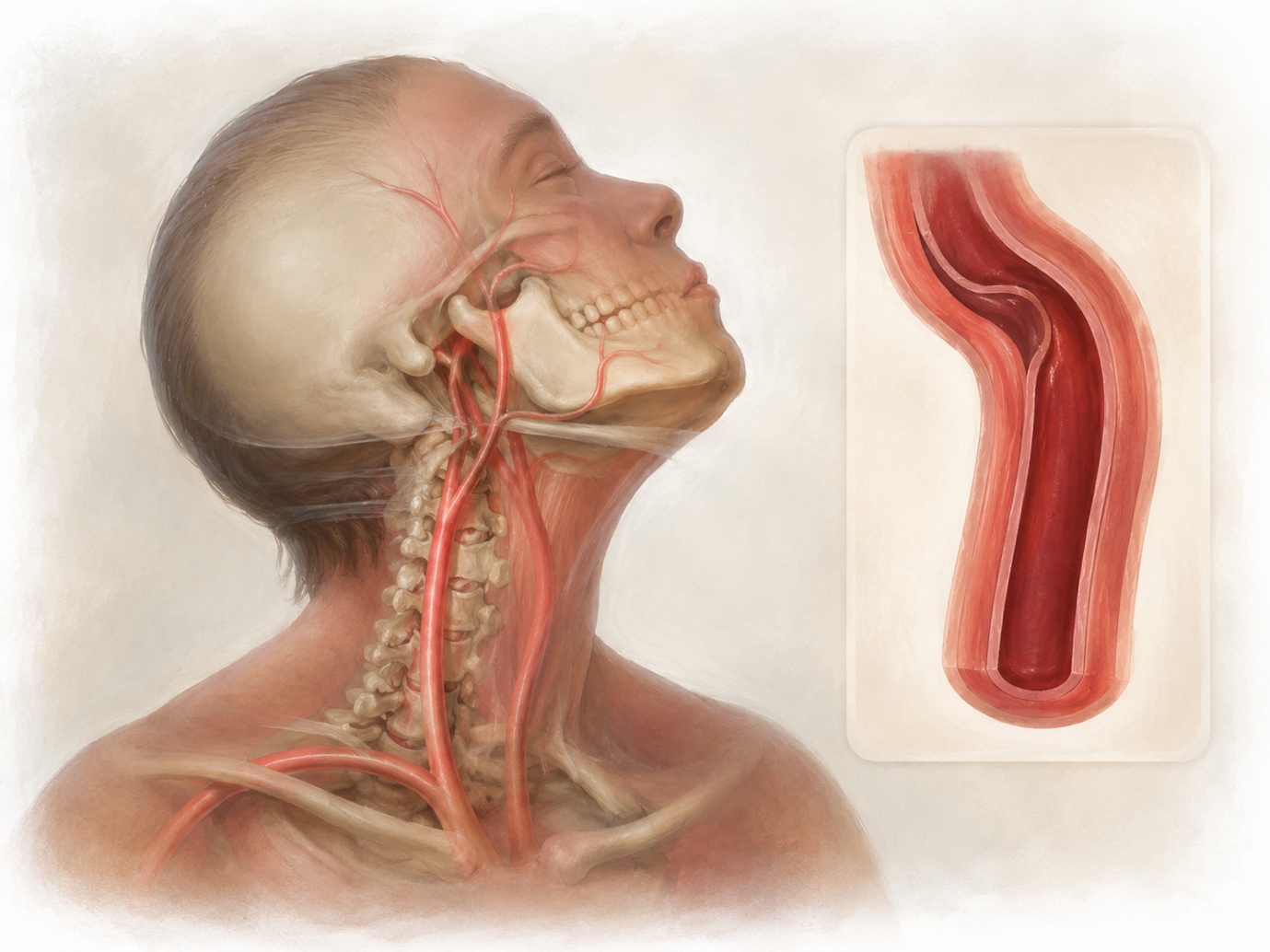
Fortunately, it had been recognised early. He was treated with blood-thinning medication for several months while the artery healed, and he made a good recovery.
Cases like that leave a lasting impression.
The neck may appear to be a simple part of the body, but just beneath a few millimetres of skin lie the airway, many large blood vessels, the thyroid gland, the jugular veins, and of course the carotid arteries carrying blood to the brain I have developed enormous respect for that anatomy.
Although cosmetic medicine is obviously very different from emergency medicine, that respect has stayed with me throughout my career. It is one reason I believe any procedure performed in the neck should begin with a thorough understanding of the structures that lie beneath the skin.
__________________________________
F.A.Q.
1. Does everyone develop platysmal bands?
No. They become more common with age, but how obvious they become depends on genetics, skin thickness, body fat and the anatomy of the platysma muscle.
2. What is "turkey neck"?
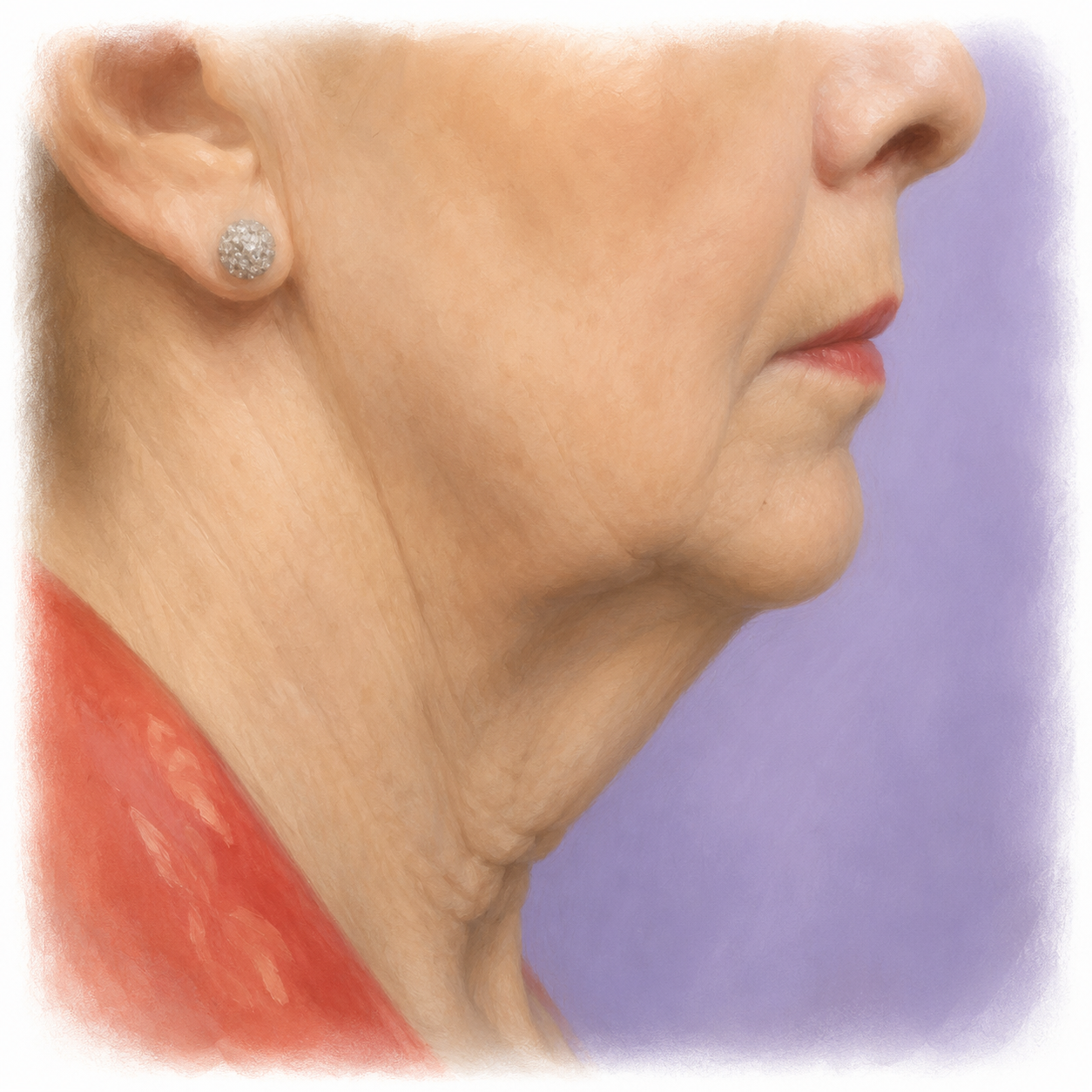
"Turkey neck" is not a medical diagnosis. It is a slang termwhich usually describes a combination of loose skin, prominent platysmal bands and fullness directly beneath the chin. Different people have different combinations of these changes, which is why treatment varies from person to person.
3. Can losing weight get rid of a double chin?
Sometimes, but often not. If the fullness is mainly due to excess body fat, weight loss may help. However, many slim people have a double chin because of their genetics, and weight loss may actually make loose skin or platysmal bands more noticeable.
4. Why do my neck bands only seem to appear in photos?
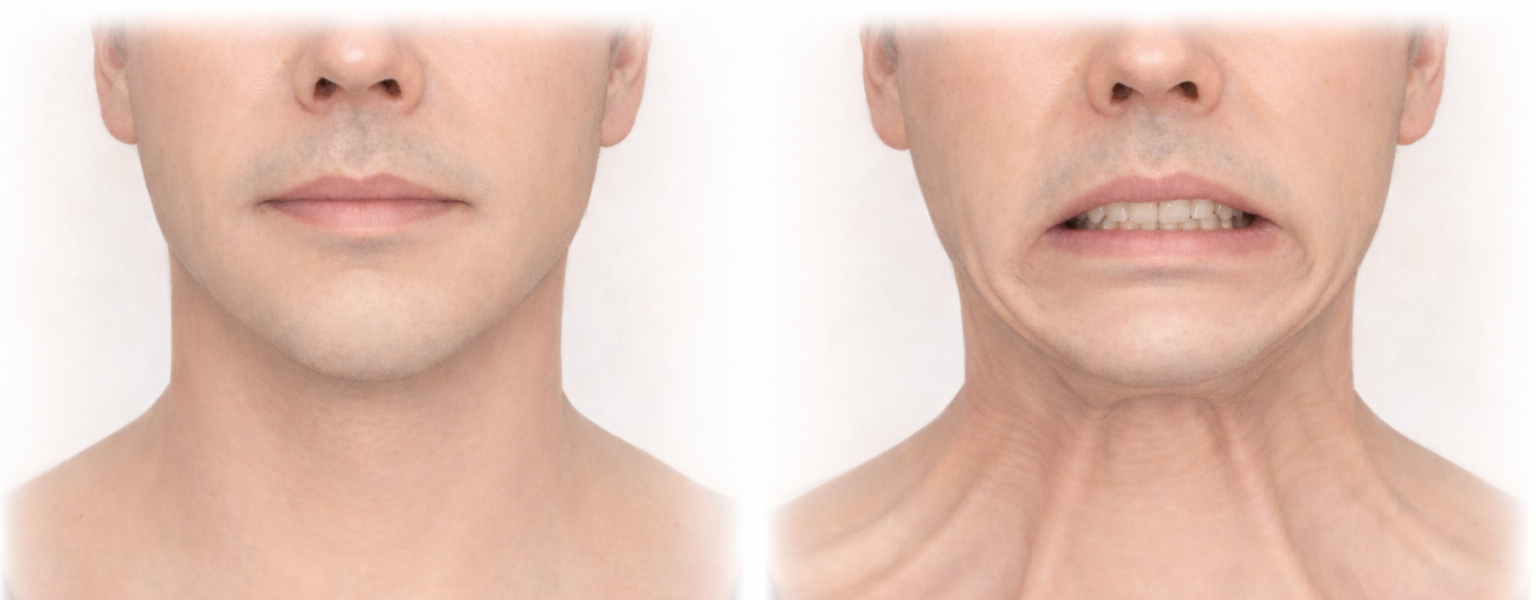
This is typical of platysmal bands. The edges of the platysma muscle become much more visible when the muscle contracts, such as when making a face or smiling broadly, not when we look in the mirror.
5. Why does my neck seem older than my face?
The neck has thinner skin, fewer oil glands and often receives less sun protection than the face. Together these factors make ageing changes appear earlier.
6. Should I apply sunscreen to my neck every day?
If your neck is likely to be exposed to sunlight, or could receive reflected sunlight from surfaces or through windows, then yes, you should. One of the commonest mistakes I see is people carefully protecting their face but forgetting the neck and upper chest. Apart from providing UV protection, sunscreen is also a moisturiser.
I’ve heard people with long hair say that they avoid applying cream to the neck to stop their hair becoming greasy. There are less greasy sunscreens you can choose from.
7. Can neck creams tighten loose skin?
Moisturisers and active ingredients such as retinoids can improve the quality of the skin itself, but creams cannot replace deeper structural support that has been lost through changes in fat, muscle, ligaments or bone.
8. Is chin dimpling related to under-chin fat?
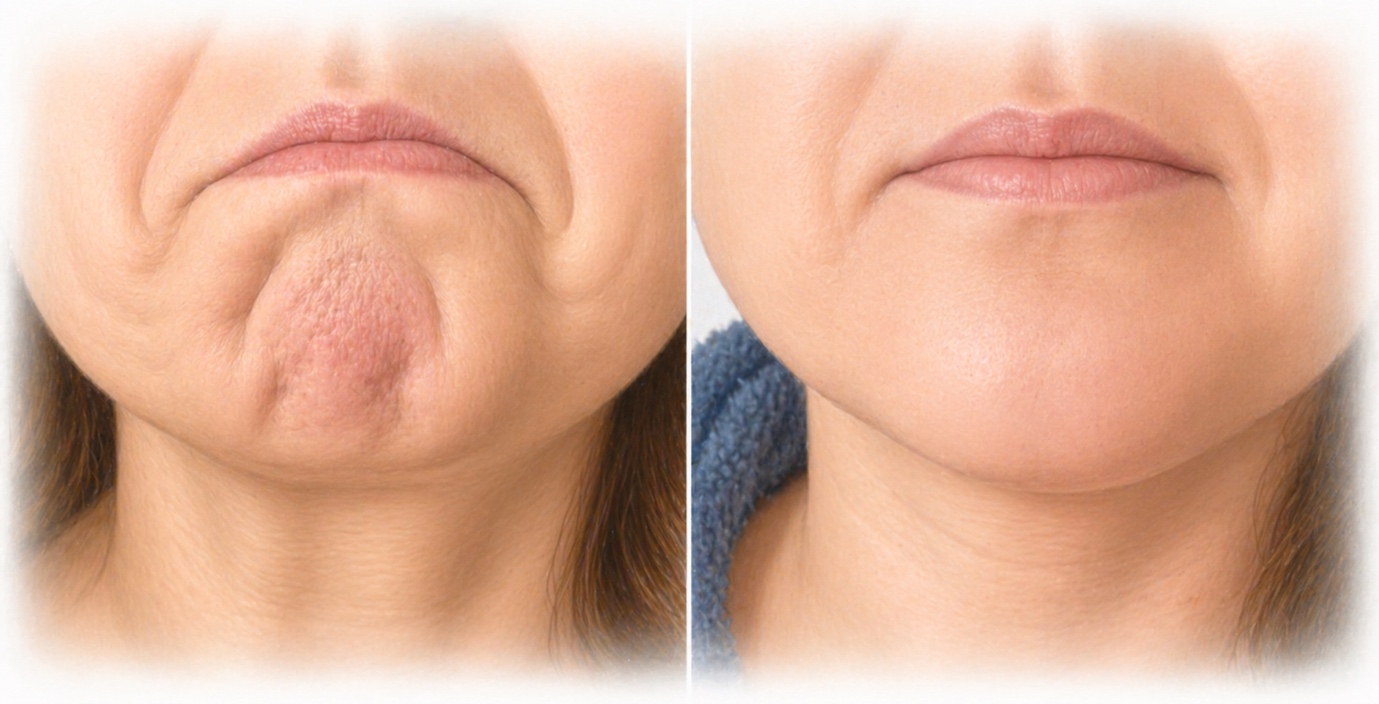
Chin dimpling, sometimes called “orange peel” chin”, is the appearance of a bumpy texture to the chin. It is caused by overactive “mentalis” muscle – the muscle that pushes the lower lip up, which is important for certain facial expressions, drinking and speaking.
The mentalis muscle runs from the bone of the chin to the skin overlying the bone, so when we contract it, it pulls the skin inward through its many little attachments to the skin. This causes the characteristic dimpling look.
My final word
We spend a great deal of time looking after our faces, while the neck often ages quietly in the background. Most people don't notice the changes until they've been developing for years.
Fortunately, you can often influence how your neck ages. Protect it from unnecessary sun damage, look after the quality of your skin, and remember that not every neck concern has the same cause. The best treatment is the one that matches the underlying problem.
That’s why I advise patients: “Don’t forget to check your neck”.